In the rarefied air of the mountain west, the traditional metrics of luxury real estate—square footage, imported marble, and proximity to the ski lift—have reached a point of diminishing returns. The true alpha in today’s high-altitude market is no longer found in the visual theater of the foyer, but in the invisible utility of the infrastructure. Sophisticated capital is pivoting toward assets that prioritize thermodynamic efficiency, decentralized power, and subterranean structural integrity. This is the era of the engineered fortress, where the value of a property is measured by its capacity to operate in total isolation from the municipal grid.
Investors who once prioritized the prestige of a specific zip code are now conducting deep-tissue due diligence on the provenance of a home’s mechanical systems. When a property is positioned at seven thousand feet, the cost of systemic failure is not merely financial. It is a fundamental breach of the asset’s utility. We are seeing a distinct preference for estates that utilize geothermal heat exchange systems, redundant satellite-linked power grids, and private water filtration technologies. These features represent a new form of luxury: the luxury of total autonomy. A residence that can sustain its own microclimate while the outside world faces meteorological volatility is an asset class unto itself.
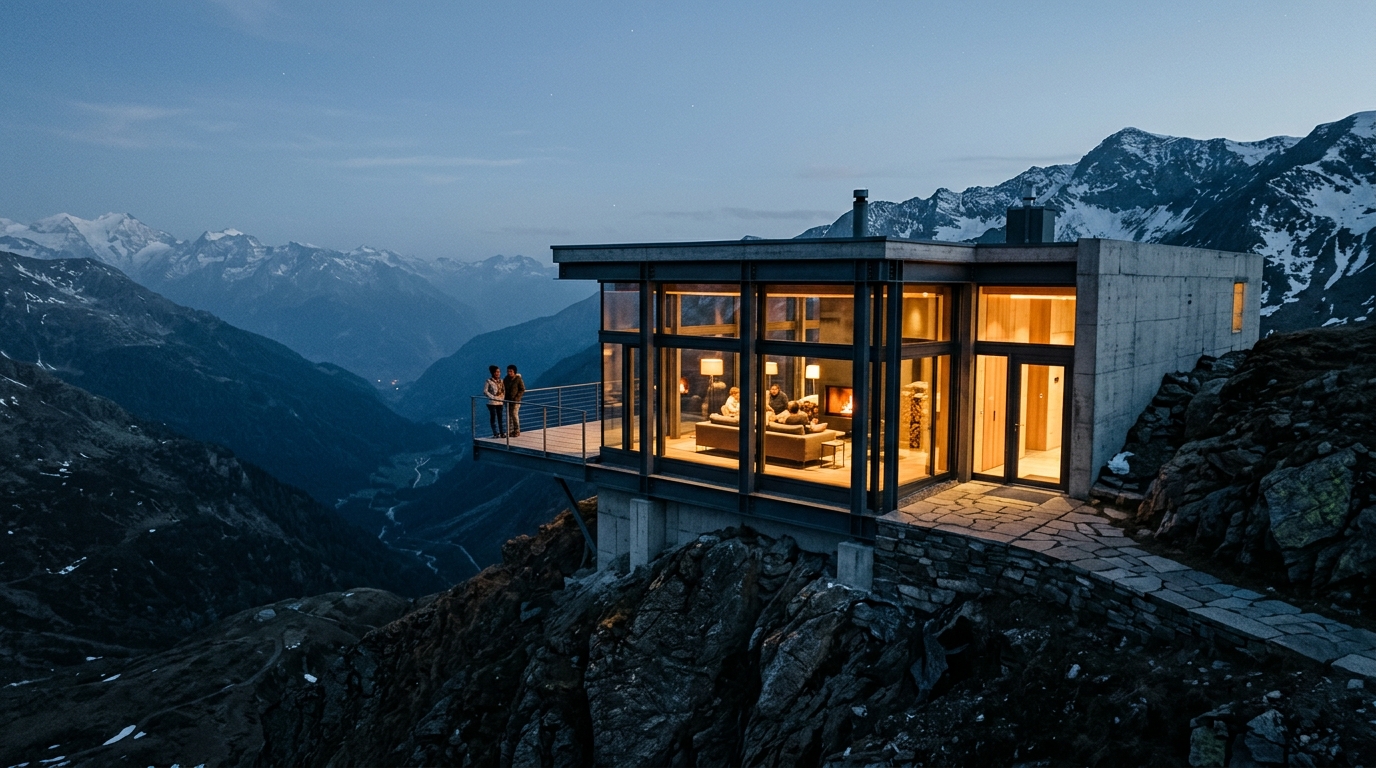
The structural integrity of these remote assets is paramount. We are advising clients to look past the superficial veneer of reclaimed timber and dry-stacked stone to examine the geological stabilization of the site. In mountain environments, the movement of the earth is a constant, yet often overlooked, variable. A property built on a foundation of seismic-isolated concrete, anchored deep into the bedrock, offers a level of durability that standard residential construction cannot mimic. This is not about building a bunker; it is about building a legacy structure capable of enduring multiple cycles of environmental stress without requiring capital-intensive remediation.
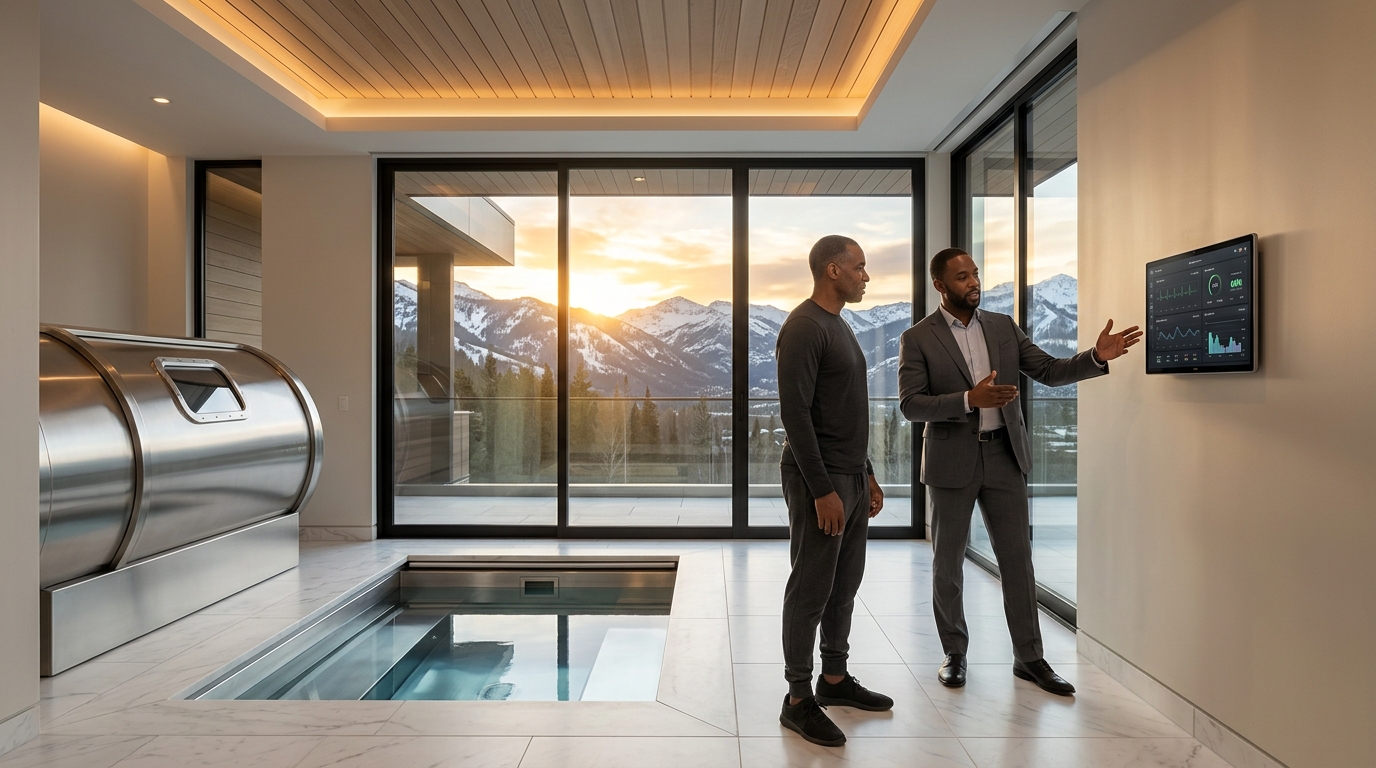
Operational transparency is the new standard of disclosure. Sellers who can provide a comprehensive digital ledger of maintenance, power consumption, and structural health are commanding a premium that far exceeds the cost of implementing these tracking systems. When an asset is this complex, the mystery of how it functions becomes a significant liability. Buyers are increasingly wary of black-box properties, those architectural marvels that look pristine but hide a labyrinth of obsolete plumbing and proprietary electrical systems that no local contractor can service. The most liquid assets in the current market are those that are modular, serviceable, and transparent.
Capital allocation is also shifting toward the concept of micro-grid independence. The reliance on public utilities in remote mountain regions is a vulnerability that sophisticated investors are no longer willing to accept. Integrating high-capacity energy storage, paired with modern solar or hydro-electric generation, converts a property from a drain on local resources to a self-contained power plant. This shift does more than mitigate risk. It creates a permanent reduction in operating expenses that compounds over the life of the holding. In a market where the cost of labor and logistics for remote repairs is rising, the ability to avoid external dependencies is the most effective hedge against inflation.
Ultimately, the market is undergoing a flight to quality that transcends aesthetics. The discerning buyer is no longer seduced by the narrative of the architect. They are seduced by the narrative of the engineer. They recognize that beauty is a subjective metric, but the resilience of a heating system, the purity of a private well, and the stability of a foundation are objective markers of long-term value. As we look toward the future of mountain real estate, the properties that will hold their value through any cycle are those that function as silent, robust, and entirely independent ecosystems. This is the new architecture of wealth: invisible, autonomous, and engineered for the long horizon.