The traditional definition of a luxury estate once centered on the accumulation of total square footage under a single, contiguous roof. However, the modern high-net-worth buyer increasingly views the monolithic mansion as a functional liability rather than a premier asset. In the current market, particularly within the high-density prestige enclaves of Bel Air and the Hollywood Hills, capital is flowing toward the decentralization of the domestic floor plan. This shift from the single residence to the residential campus represents a fundamental change in how value is appraised and captured.
We sat down with Julian Vane, a principal architect whose recent commissions in the Platinum Triangle have focused almost exclusively on the creation of multi-structure compounds. Vane argues that the detached accessory structure is no longer a secondary consideration: it is the primary driver of market liquidity for estates priced above the fifteen million dollar mark. According to Vane, the value of these structures lies in their ability to provide total psychological and functional isolation, a feat that even the most expansive main house cannot achieve through interior design alone.
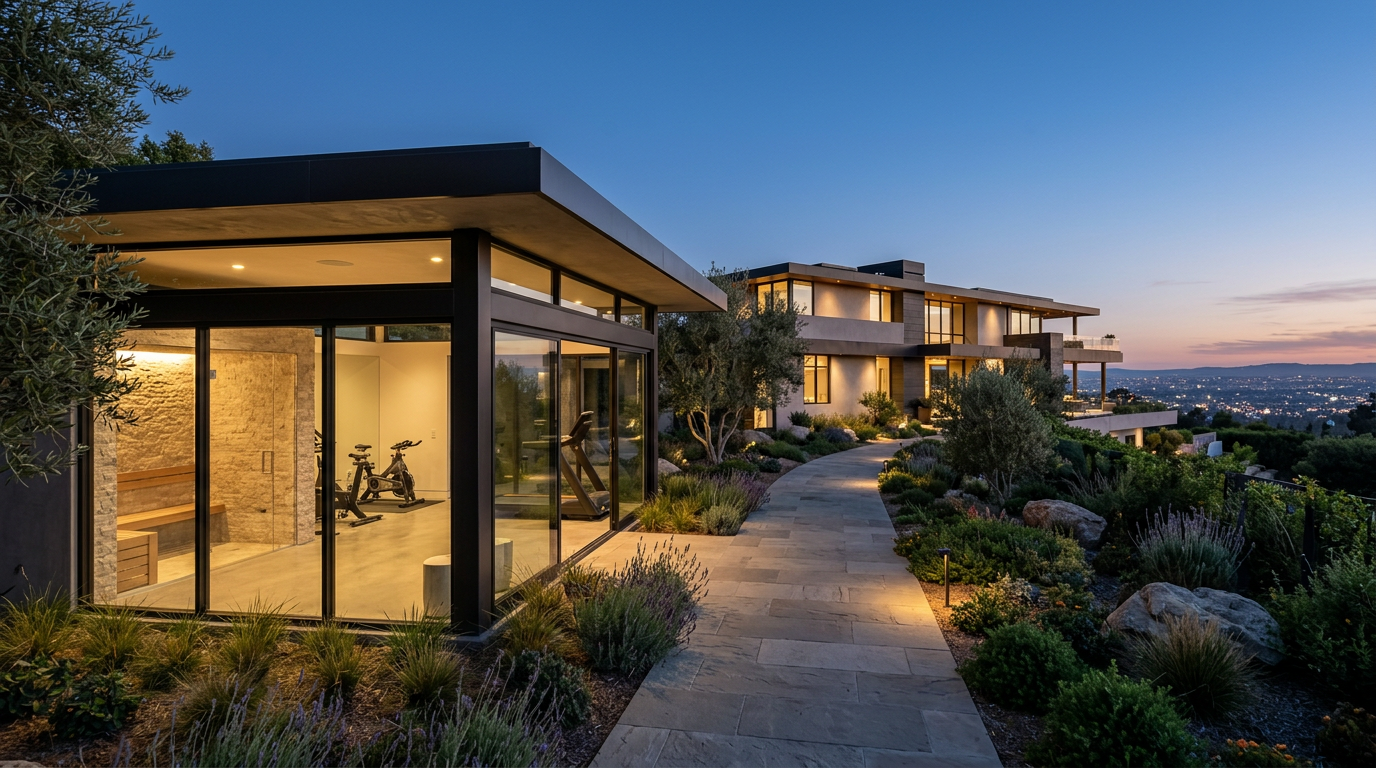
The psychological barrier of a twenty-foot garden path is more effective for professional focus or physical recovery than any soundproofed internal door. Vane explains that when an owner moves from the primary residence to a detached office or a dedicated spa pavilion, the physical transition signals a complete shift in state. This is the ultimate luxury for the modern professional: the ability to leave one's home without leaving the security of one's property. This spatial distinction creates a premium that buyers are willing to pay for, often at a higher rate per square foot than the primary living areas.
From a valuation perspective, the data supports this shift toward the compound model. In Bel Air, estates that feature high-specification detached pavilions often command a significant premium over properties that consolidate all amenities into a single structure. This is partly due to the inherent versatility of the secondary building. A detached structure can serve as a high-security guest house, a professional-grade recording studio, or a private art gallery. This versatility provides a level of future-proofing that a specialized room inside a main house simply lacks. If a buyer does not need a gym, an internal gym is wasted space: however, a detached pavilion is always a valuable piece of real estate regardless of its current interior use.
The engineering of these secondary structures also presents a unique set of opportunities for architectural expression. Because they typically occupy a smaller footprint, architects can experiment with more radical glazing, sophisticated cantilevered elements, and experimental materials that might be cost-prohibitive or structurally risky on a ten-thousand-square-foot main house. These buildings become the aesthetic jewels of the estate, often serving as the visual anchor for the entire landscape design. They allow for a deeper integration with the site topography, often perched on ridges or tucked into private groves to maximize views that the main residence might not access.
Vane also highlights the importance of the interstitial spaces: the areas between the buildings. The journey between structures is where the true aesthetic value of the land is realized. By forcing movement through the site, the architecture demands that the inhabitant engage with the curated environment. This choreography of movement increases the perceived scale of the property, making a two-acre lot feel significantly larger than its legal boundaries suggest. This expansion of the lived experience is a critical factor in justifying the aggressive pricing seen in recent record-breaking transactions.
Ultimately, the market is moving toward a model where the main house is reserved for public life and family gathering, while detached structures handle the specialized functions of high-performance living. For the sophisticated investor, this means prioritizing properties with the specific zoning capacity and topographic flexibility to support multiple structures. In the upper echelons of the West Coast market, the compound is the new gold standard for residential asset preservation and long-term capital appreciation.