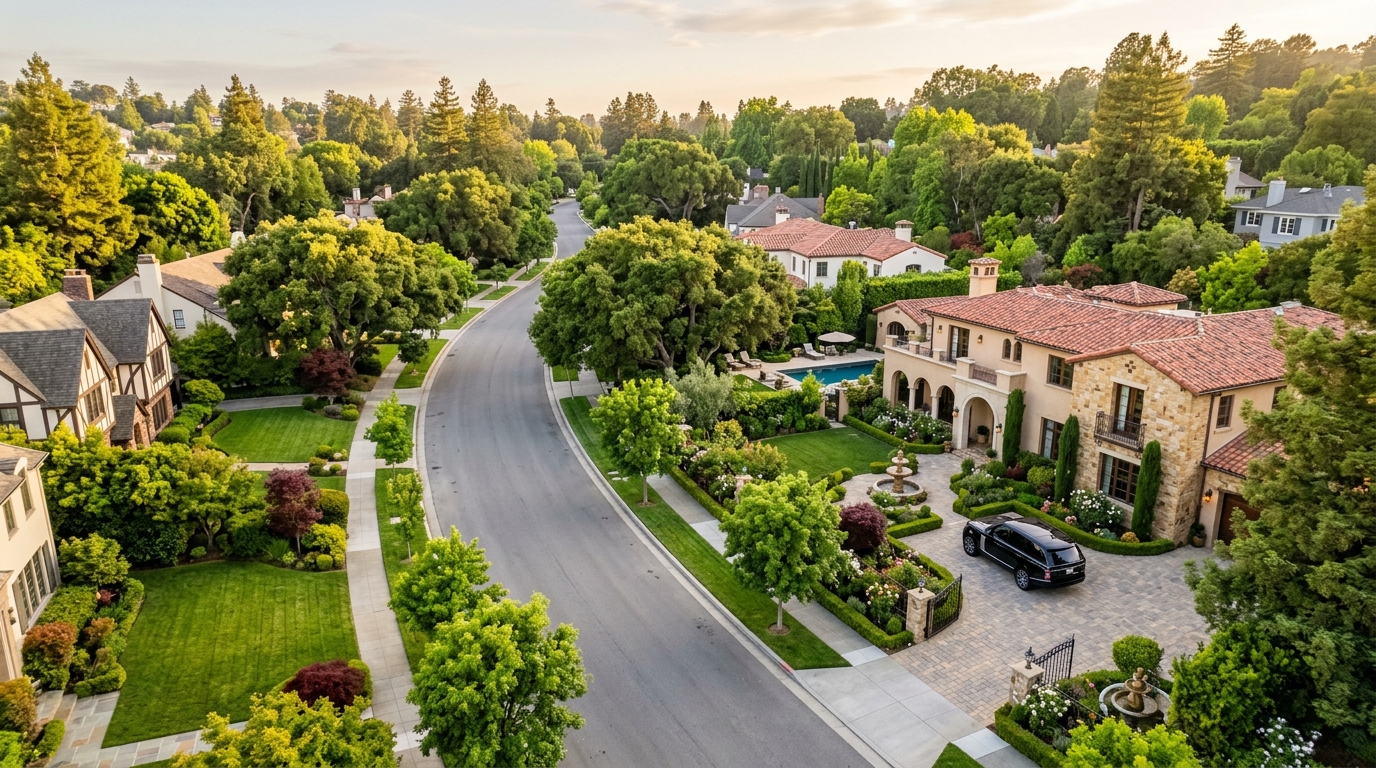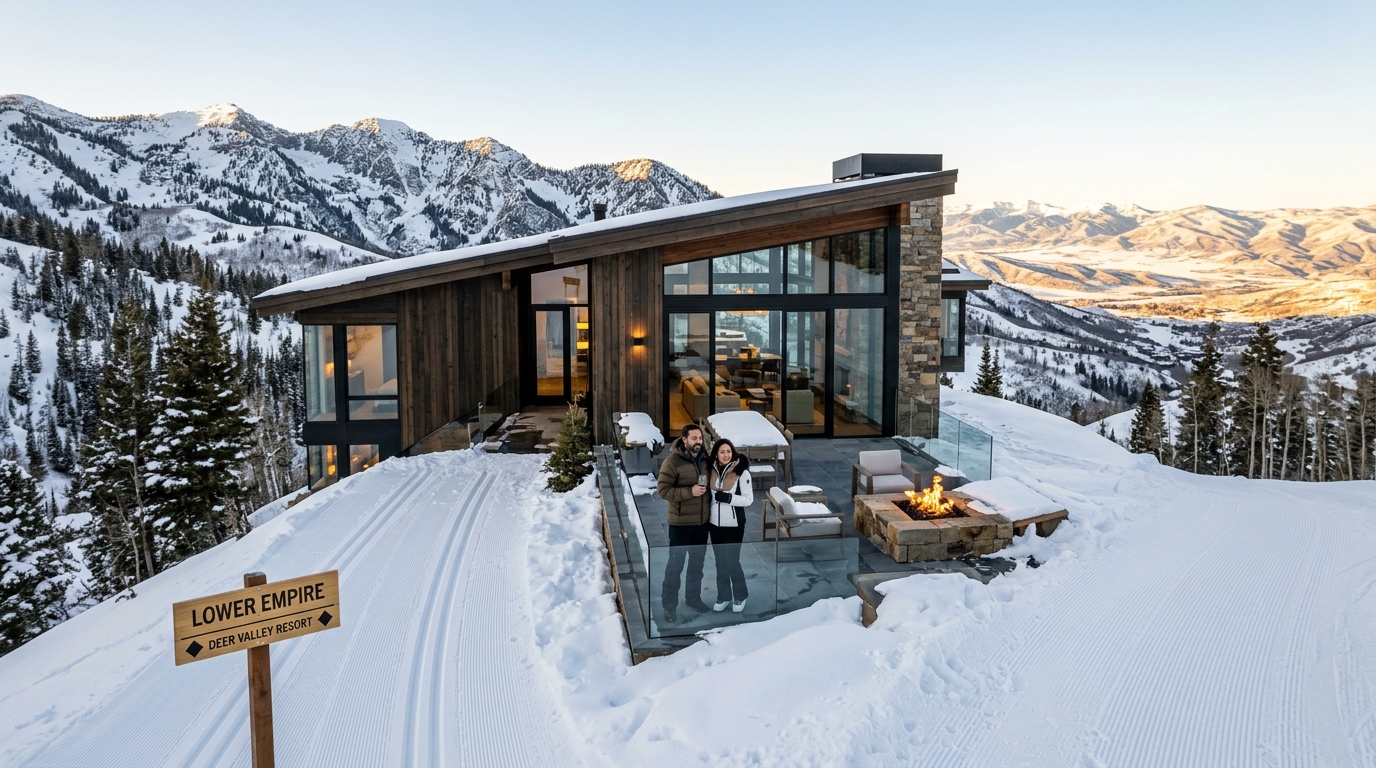
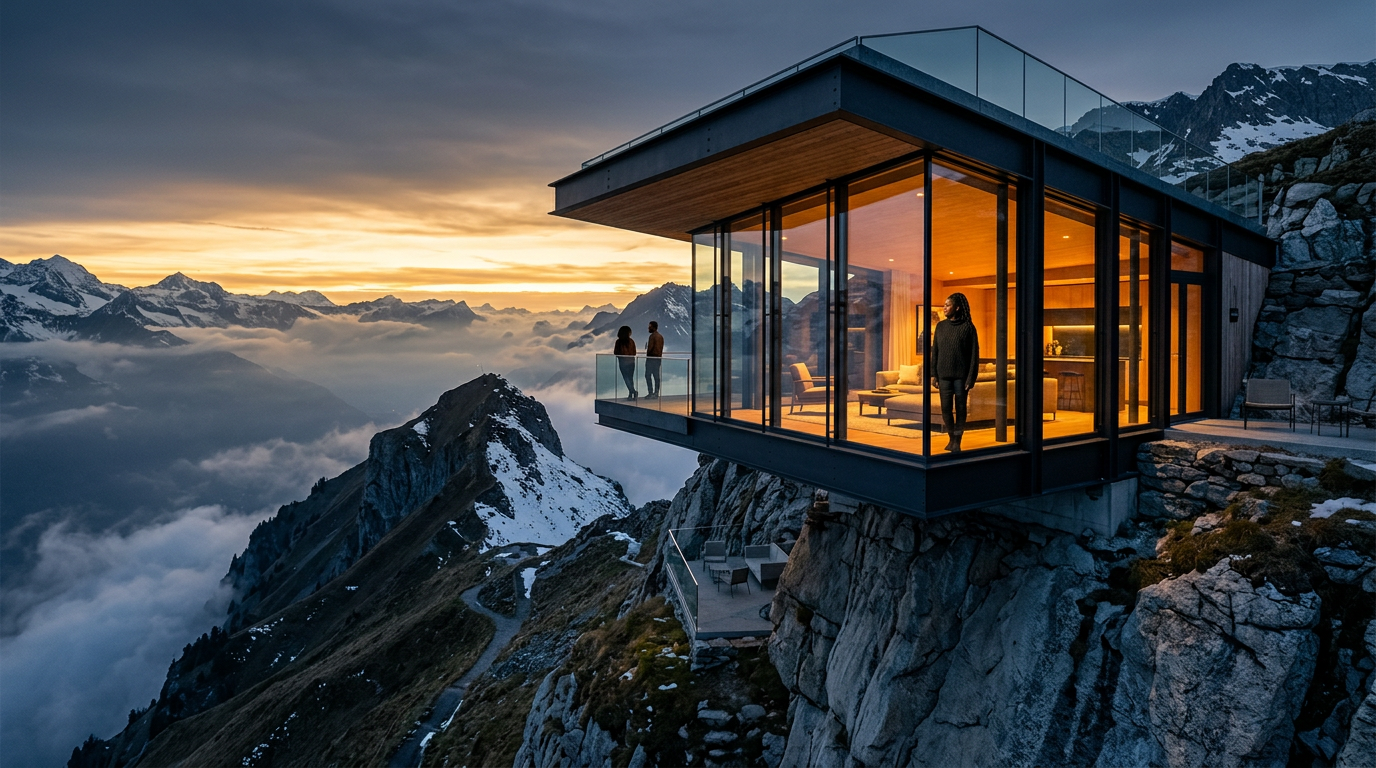
In the upper echelons of the luxury market, the traditional metrics of price per square foot and proximity to urban centers are increasingly being superseded by the physics of the land itself. Sophisticated capital is no longer merely seeking the prestige of a zip code. It is actively hunting for geographic insulation. As environmental volatility reshapes the risk profile of coastal and valley assets, a distinct shift is occurring toward high-altitude enclaves and mountain corridors that offer natural defenses against the systemic pressures affecting lower-lying regions. This is the new arbitrage of luxury real estate: the trade-off between convenience and long-term environmental sovereignty.
The value of a property is now fundamentally linked to its microclimate and its placement within a robust, independent utility grid. Investors who focus on the topography of their holdings are discovering that elevation acts as a hedge against the rising costs of climate adaptation. Properties situated on well-drained, elevated plateaus or within protected mountain basins are seeing a quiet escalation in institutional interest. Natural drainage, fire-resistant terrain, and reliable access to deep-well water are becoming the primary pillars of asset valuation. When an investor evaluates a ten-million-dollar estate, the view is no longer the sole arbiter of worth. The structural integrity of the site’s hydrological and geological foundation is what secures the investment against the creeping obsolescence of less resilient neighborhoods.
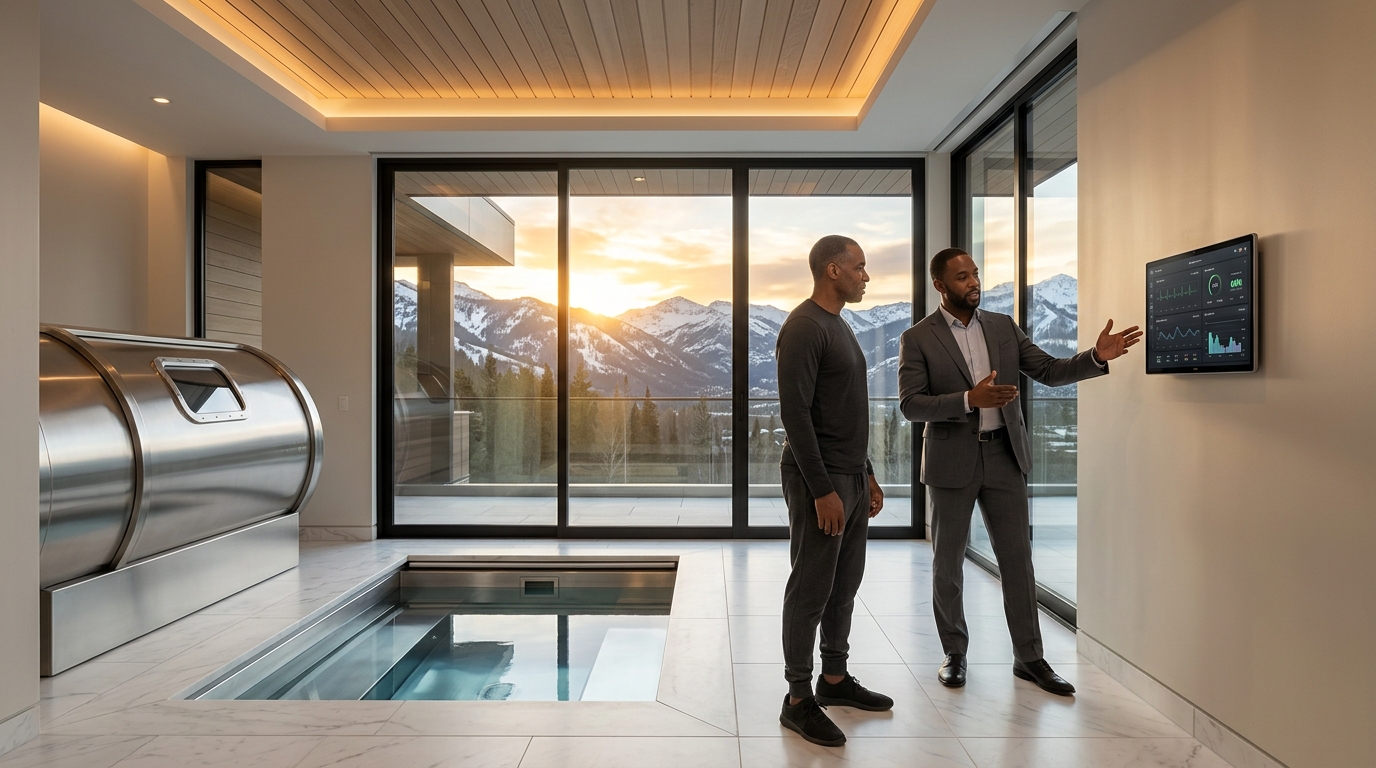
Infrastructure independence is the silent partner of this new investment thesis. In remote or high-altitude markets, the reliance on municipal grid extensions is a vulnerability. The most desirable estates now integrate sophisticated, off-grid capacity that allows for total operational autonomy. Discerning buyers are prioritizing assets that incorporate redundant energy storage, private water rights, and subterranean communication infrastructure. These features move an asset from the category of a lifestyle purchase to that of a self-sustaining fortress. In the eyes of a sophisticated investor, an estate that requires no external inputs to remain operational is not just a home. It is a hedge against the logistical fragility of modern urban networks.
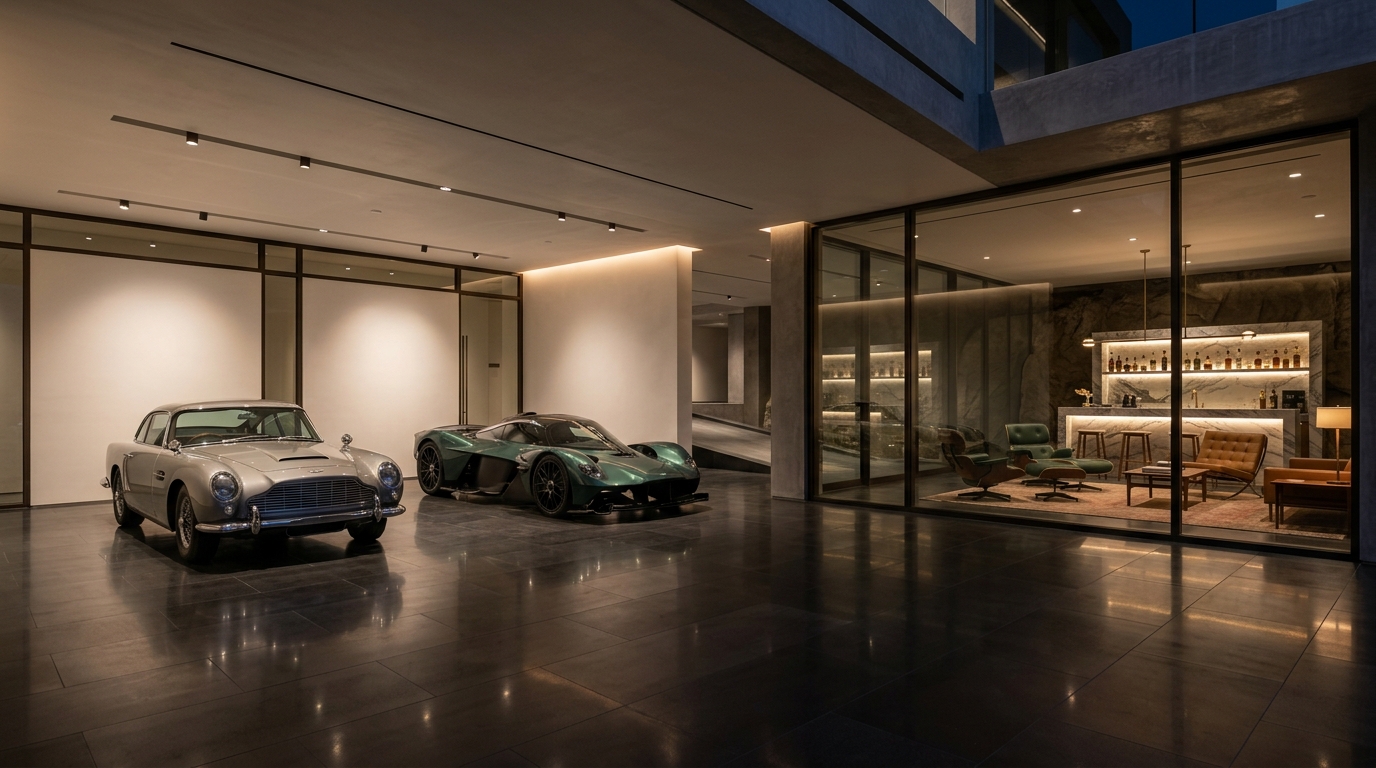
The aesthetic of the modern luxury residence is evolving to reflect this priority. We are seeing a move away from glass-heavy, sprawling floor plans that require massive climate control expenditures toward architectures that emphasize thermal mass and defensive positioning. Builders who understand this shift utilize stone, reclaimed steel, and high-performance glazing to create envelopes that hold temperature naturally, regardless of the external conditions. This shift toward defensive design does not compromise the experience of luxury. Instead, it elevates it by providing a sense of permanence and serenity that is increasingly rare in the contemporary world. The true mark of a modern trophy property is the seamless integration of high-performance engineering with the organic character of the mountain landscape.
For those transacting in the eight-figure range, the goal is to acquire assets that will retain their utility and desirability for decades. This necessitates a forensic approach to property selection. An investor must look beyond the staging and the finishes to evaluate the underlying site conditions. How does the land handle extreme precipitation? Is the property located within a defensible space that minimizes the risk of wildfire spread? Does the site offer a sustainable water table that is not tied to a failing municipal supply? These questions are not merely technical. They are the essential inquiries of wealth preservation in an era of environmental change.
Ultimately, the market is bifurcating into two distinct tiers. The first tier consists of traditional assets that rely on the health of the surrounding urban infrastructure. The second, and far more resilient tier, consists of assets that are self-contained and geographically shielded. The latter will continue to command premiums as high-net-worth individuals seek to decouple their personal security from the broader market volatility. By prioritizing microclimates and utility independence, investors are effectively future-proofing their portfolios. They are betting on the stability of the earth itself, rather than the transient allure of a prestigious address. This is the quiet, disciplined evolution of the luxury market: an investment philosophy defined not by trends, but by the immutable reality of the landscape.