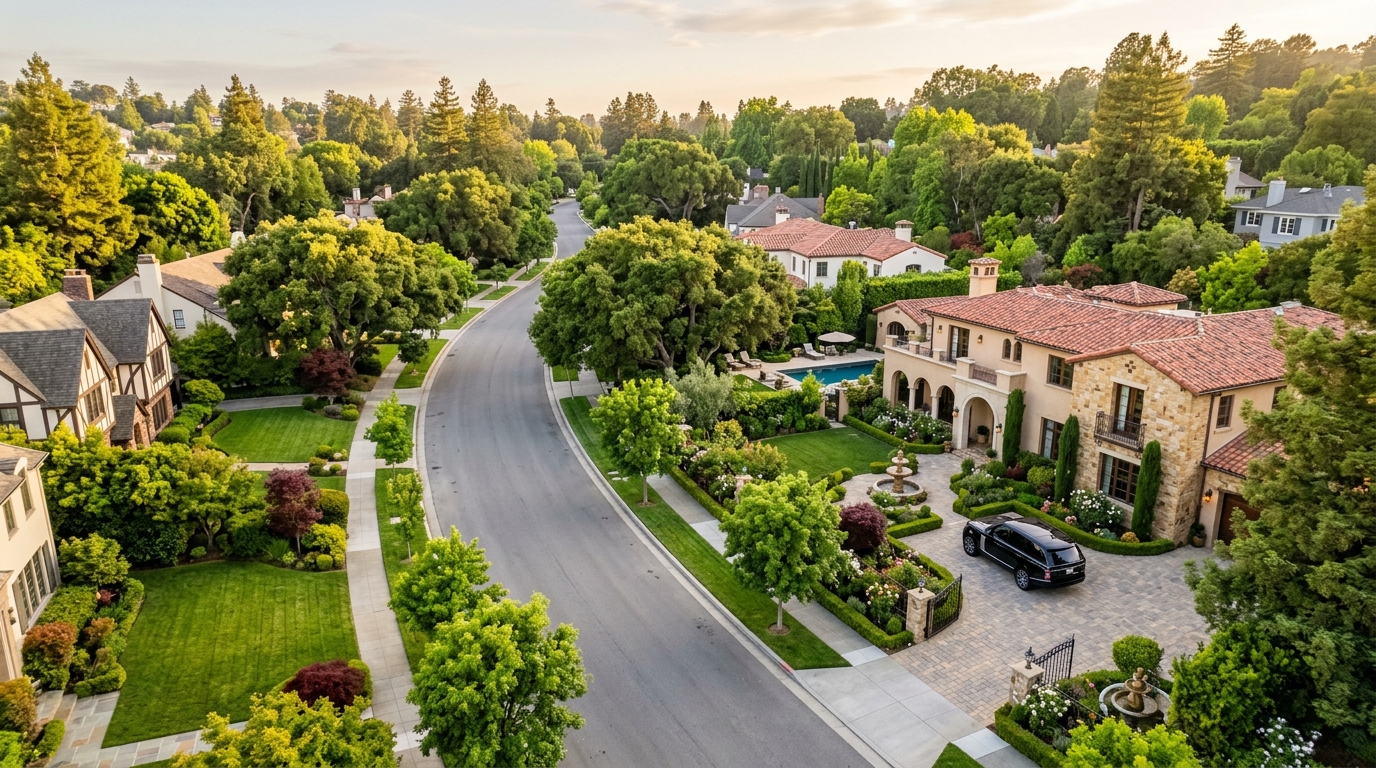

In the rarefied air of the West Coast and mountain luxury markets, capital preservation is often conflated with asset stagnation. Investors frequently approach the acquisition of a trophy estate as a static purchase, valuing the property based on square footage, architectural provenance, and proximity to lifestyle amenities. This perspective, while standard, ignores the most potent driver of value appreciation in high barrier to entry jurisdictions. The true alpha in these markets is found in the regulatory environment, specifically the acquisition and optimization of development entitlements.
Regulatory arbitrage is the practice of identifying properties with underutilized legal capacity and navigating the cumbersome municipal frameworks to unlock that potential. In markets where geography imposes a hard ceiling on supply, the right to build, renovate, or alter a land use designation becomes the most valuable component of the deed. A property that is permitted for a substantial expansion or a change of use effectively possesses a call option on its own future value. Sophisticated buyers recognize that they are not merely purchasing a home; they are acquiring a bundle of rights that can be expanded or refined to create institutional grade value.
The process begins with an audit of the local planning code, which is far more nuanced than the typical disclosure package suggests. One must analyze the interplay between historical preservation mandates, environmental mitigation requirements, and density overlays. Often, a property appears limited by its current footprint, yet a rigorous investigation into the underlying zoning ordinances reveals a path toward significant expansion. This is where the professional investor differentiates themselves from the casual buyer. By identifying an asset that has been undervalued because its full entitlement potential remains latent, the investor creates immediate equity upon the successful completion of the permitting process.
Risk mitigation is central to this strategy. The cost of seeking entitlements is not merely financial, but temporal. It requires a deep understanding of local political currents and the specific appetites of planning commissions. A project that meets the letter of the law but violates the spirit of the neighborhood is a project destined for protracted litigation or public rejection. Successful execution requires a synthesis of legal precision and diplomatic finesse. Engaging local stakeholders early, ensuring that the proposed development aligns with the long-term vision of the municipality, and maintaining a posture of collaborative transparency are as critical to the valuation as the architectural blueprints themselves.
Furthermore, the market often fails to price in the scarcity of these future rights. When an investor secures a variance or a site development permit in a market defined by strict growth boundaries, they are essentially creating a monopoly on supply for that specific site. This exclusivity is the bedrock of long-term wealth preservation. Even in cycles of economic contraction, assets that possess unique, hard-won entitlements remain resilient because they offer the buyer a utility that cannot be replicated by new construction elsewhere. The sheer difficulty of the process creates a moat that protects the investment from the volatility of speculative development.
Investors should view their real estate counsel and land use consultants as primary architects of their portfolio strategy. The traditional residential brokerage model is ill-equipped to handle the complexities of entitlement optimization. It requires a team capable of performing technical due diligence that goes well beyond the structural integrity of the foundation. One must interrogate the history of the site, the trajectory of local zoning changes, and the probability of securing successful appeals for increased density or modified use. The objective is to identify assets where the gap between current utility and legal potential is widest.
Ultimately, the objective is to decouple the property from the broader market performance. While the luxury market is subject to macroeconomic forces, the value added through successful entitlement arbitrage is idiosyncratic and independent. It is a form of value creation that rewards patience, technical rigor, and a profound respect for the regulatory mechanics that govern our most desirable enclaves. Those who master this discipline do not wait for the market to appreciate their holdings. They force the appreciation by redefining what the land is permitted to become.