In the upper echelons of the West Coast and mountain corridor markets, the metrics of success often diverge sharply from standard residential real estate performance. For the sophisticated investor, the luxury sector is not merely a collection of high-value assets. It is a specialized theater of institutional grade capital allocation where the primary risk is not volatility, but the inherent friction of illiquidity. Understanding this distinction is the hallmark of the experienced principal, and it remains the single most important factor in navigating the transaction cycle at the top of the market.
The common mistake among those entering the luxury space is applying a short term horizon to an asset class that demands a multi decade perspective. When an asset is valued in the eight figure range, the depth of the buyer pool inevitably narrows. This scarcity is a double edged sword: it provides a defensive moat against broader economic fluctuations, yet it mandates a patient exit strategy. Investors who attempt to force liquidity in these segments often find themselves subjected to steep discounts that erode years of appreciation. True wealth preservation in luxury real estate requires a fundamental shift from viewing property as a liquid asset to managing it as a long term capital preservation vehicle.
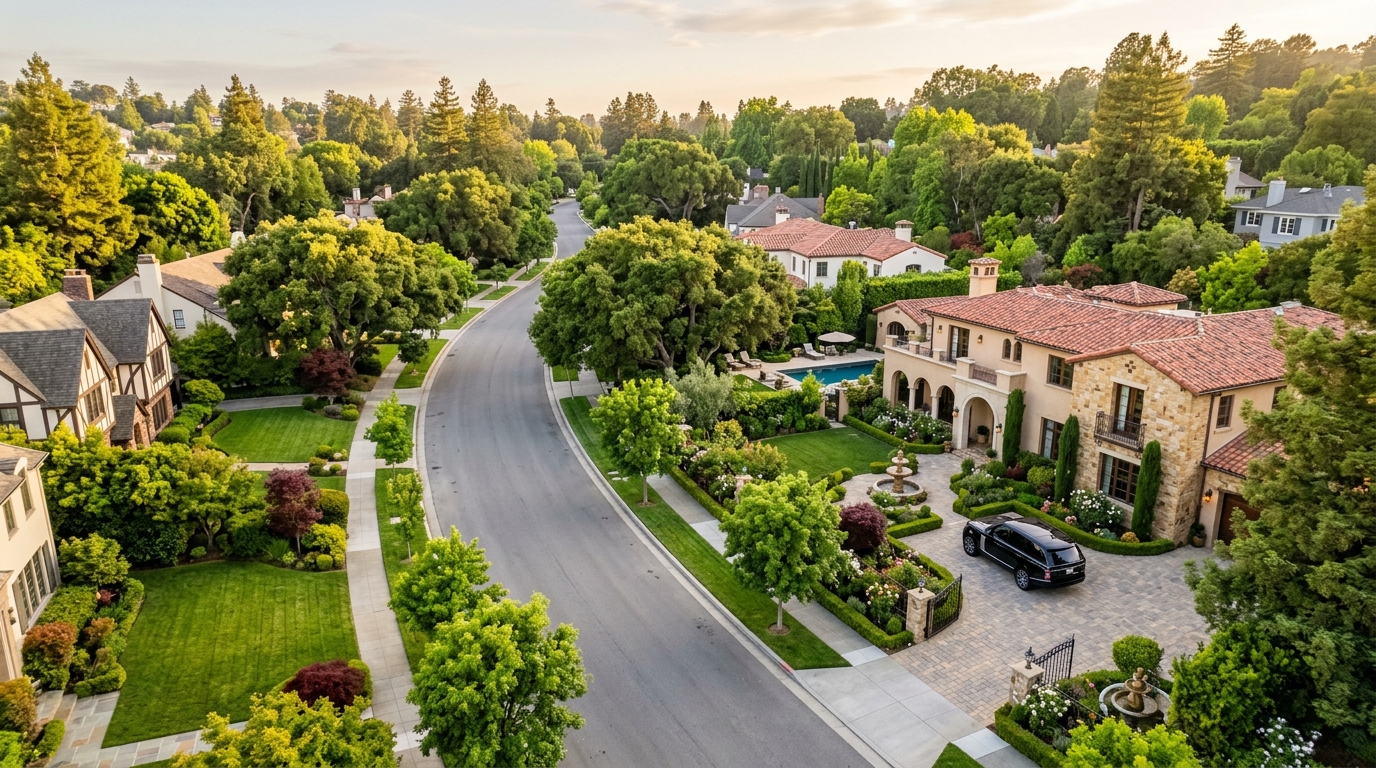
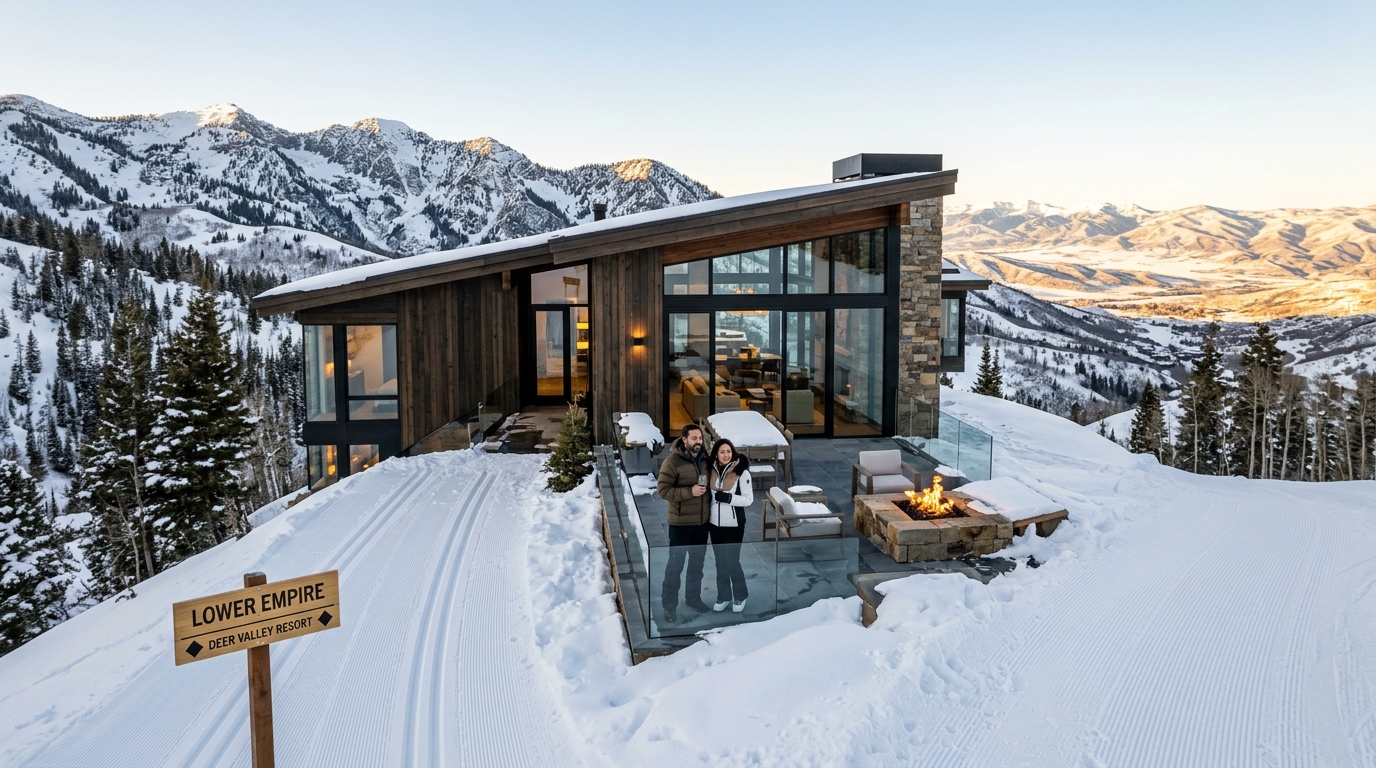
Geography serves as the primary hedge against this illiquidity. In the mountain markets and coastal enclaves, value is tethered to land scarcity and regulatory barriers to entry. These are not infinite resources. When evaluating an acquisition, the focus should not be on the interior aesthetics, which are transient and replaceable, but on the permanence of the site. A property that occupies a unique topographical position acts as a permanent store of value, regardless of the prevailing interest rate environment or transient design trends. The market consistently rewards properties that possess an unrepeatable quality, such as direct water frontage or unobstructed alpine views, because such attributes cannot be manufactured or replicated by competition.
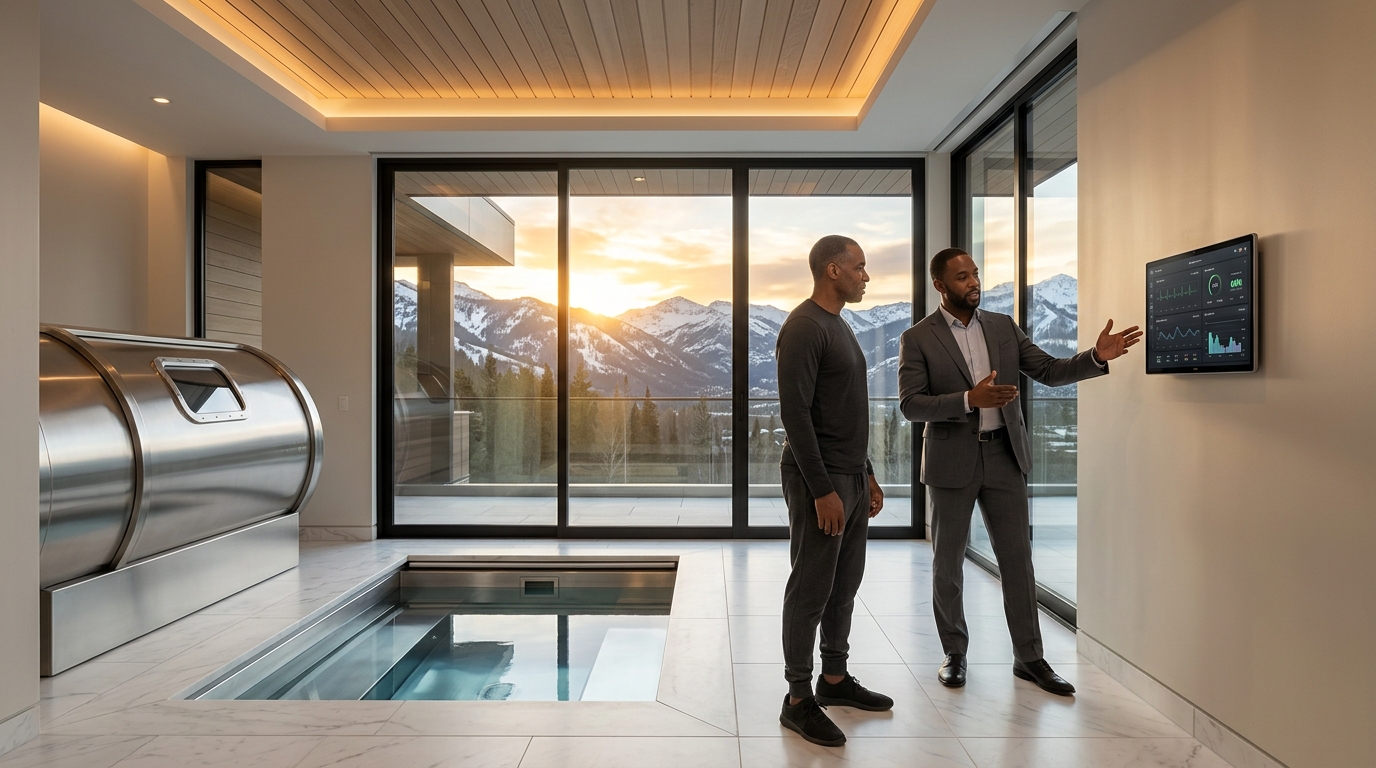
Structural integrity in an investment portfolio is achieved through the decoupling of emotional attachment from fiscal discipline. The most successful participants in this market treat their residential holdings with the same analytical rigor applied to a commercial venture. This means maintaining a precise understanding of carrying costs, tax efficiency, and the operational overhead required to keep an asset in a state of peak marketability. A neglected property is a depreciating asset. In the luxury sector, the cost of deferred maintenance is rarely just the price of the repair. It is the loss of the property’s standing within the elite tier of available inventory, which creates a negative perception that can be difficult to reverse.
The role of debt in high value transactions must also be reconsidered. While leverage is a powerful tool for portfolio expansion, it introduces a vulnerability to market cycles that can force an untimely liquidation. Experienced investors prioritize the preservation of equity, viewing their real estate holdings as a fortress against inflation rather than a vehicle for rapid turnover. When the cost of capital rises, those who are overleveraged are forced to compete on price, effectively ceding the market to those who maintain a cash heavy posture. The ability to remain patient during periods of market correction is the ultimate competitive advantage.
Ultimately, the objective of the high net worth investor in the luxury sector is to minimize the friction of ownership while maximizing the utility of the asset. This requires a sophisticated approach to asset management, one that balances current enjoyment with long term fiscal strategy. By prioritizing location, maintaining operational excellence, and eschewing the desire for immediate liquidity, investors can navigate the complexities of the West Coast and mountain markets with confidence. The market does not reward the impulsive. It favors those who understand that in the realm of true luxury, time is the most valuable currency of all.