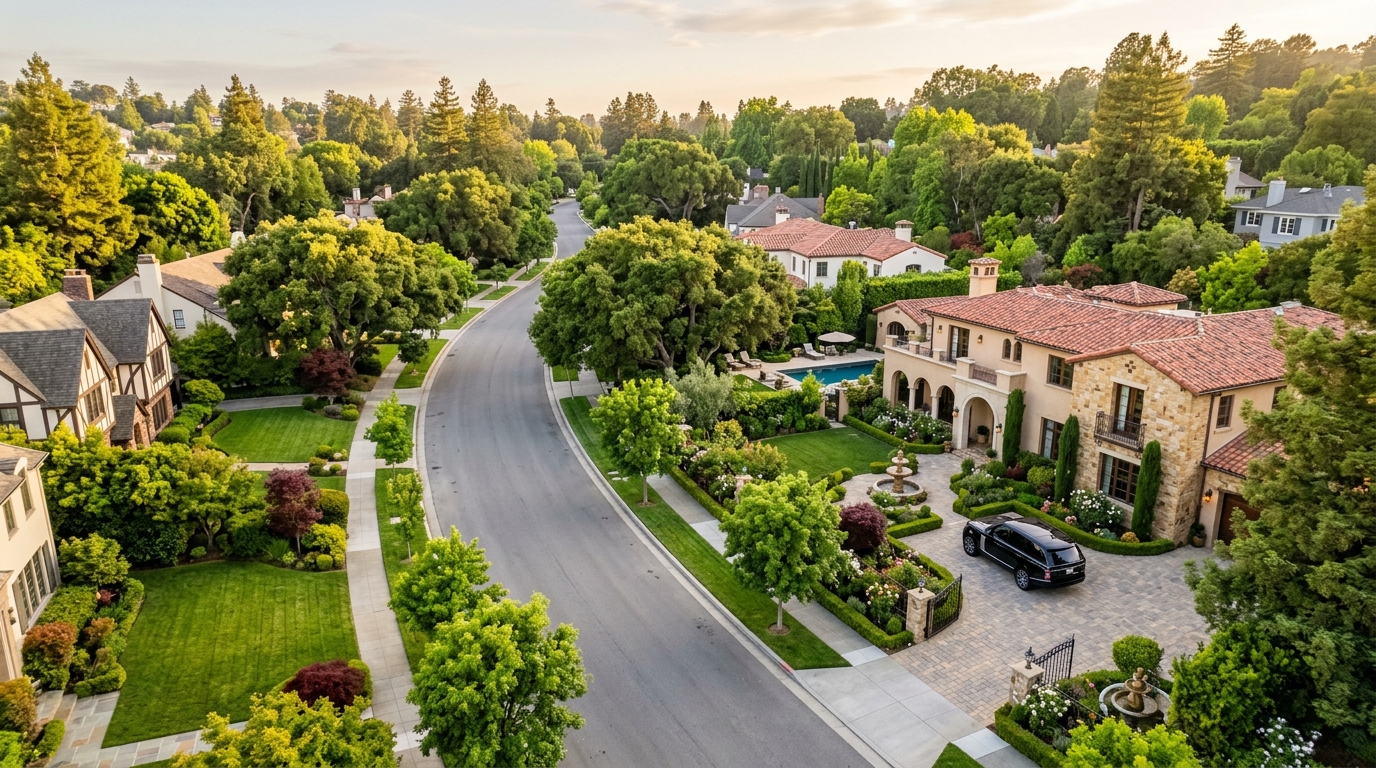

In the rarefied air of the West Coast and mountain corridor markets, the definition of a trophy property has undergone a quiet evolution. The era of speculative opulence, characterized by excessive ornamentation and temporary aesthetic trends, is ceding ground to a more disciplined philosophy. Discerning principals now view their portfolios through the lens of institutional-grade performance. They are not merely purchasing residences; they are acquiring complex infrastructure designed to endure across decades, if not centuries.
The premium on structural permanence cannot be overstated. When we discuss an asset in the twenty-million-dollar tier, we are evaluating the intersection of geological stability, materiality, and long-term liquidity. A property that is built to endure is inherently more liquid than one that relies on the passing whims of interior design. Sophisticated buyers today prioritize the bones of the architecture, focusing on the quality of the foundation, the integration with the natural topography, and the provenance of the materials. These elements serve as the bedrock for capital preservation.
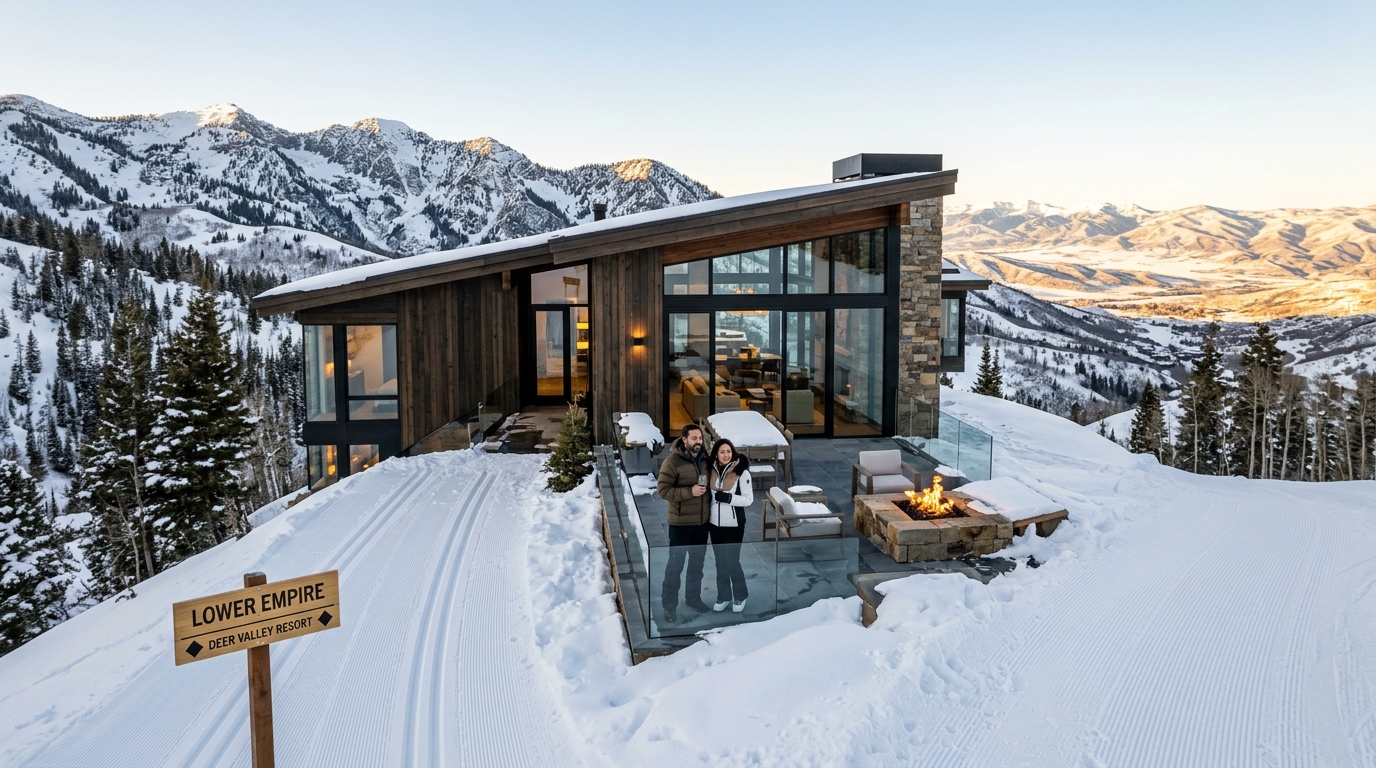
A conversation with a veteran developer of coastal estates reveals a consistent theme: the most resilient assets are those that respect the tension between man-made structure and the volatility of the environment. In the mountain markets, this manifests as a refusal to compromise on thermal efficiency and structural load-bearing capabilities. In coastal zones, it involves a rigorous approach to weathering and salt-air mitigation. When a buyer ignores these technical realities, they are accepting hidden liabilities that will inevitably manifest as maintenance burdens or future market friction. True luxury is the absence of friction.
Beyond the physical structure, the concept of the private collection is becoming increasingly synonymous with curated privacy. High-net-worth individuals are moving away from hyper-dense residential clusters in favor of properties that offer true spatial autonomy. This does not necessarily imply isolation, but rather the ability to control one's environment. The rarity of an asset is now measured by the difficulty of replicating its specific combination of view corridors, water rights, and site exclusivity. When a property is physically impossible to replicate, its intrinsic value is insulated from the broader market cycles that dictate the trajectory of mass-market housing.
There is also a profound shift in how owners perceive the role of the residence in their broader investment strategy. For the sophisticated investor, the home serves as a hedge against currency volatility and an anchor for a diversified global portfolio. While equity markets may fluctuate based on macroeconomic signaling, the supply of prime, well-entitled land remains finite. By focusing on assets with clear entitlement paths and historical significance, owners ensure that their lifestyle investments retain their utility even during periods of economic contraction. Utility is the ultimate hedge.
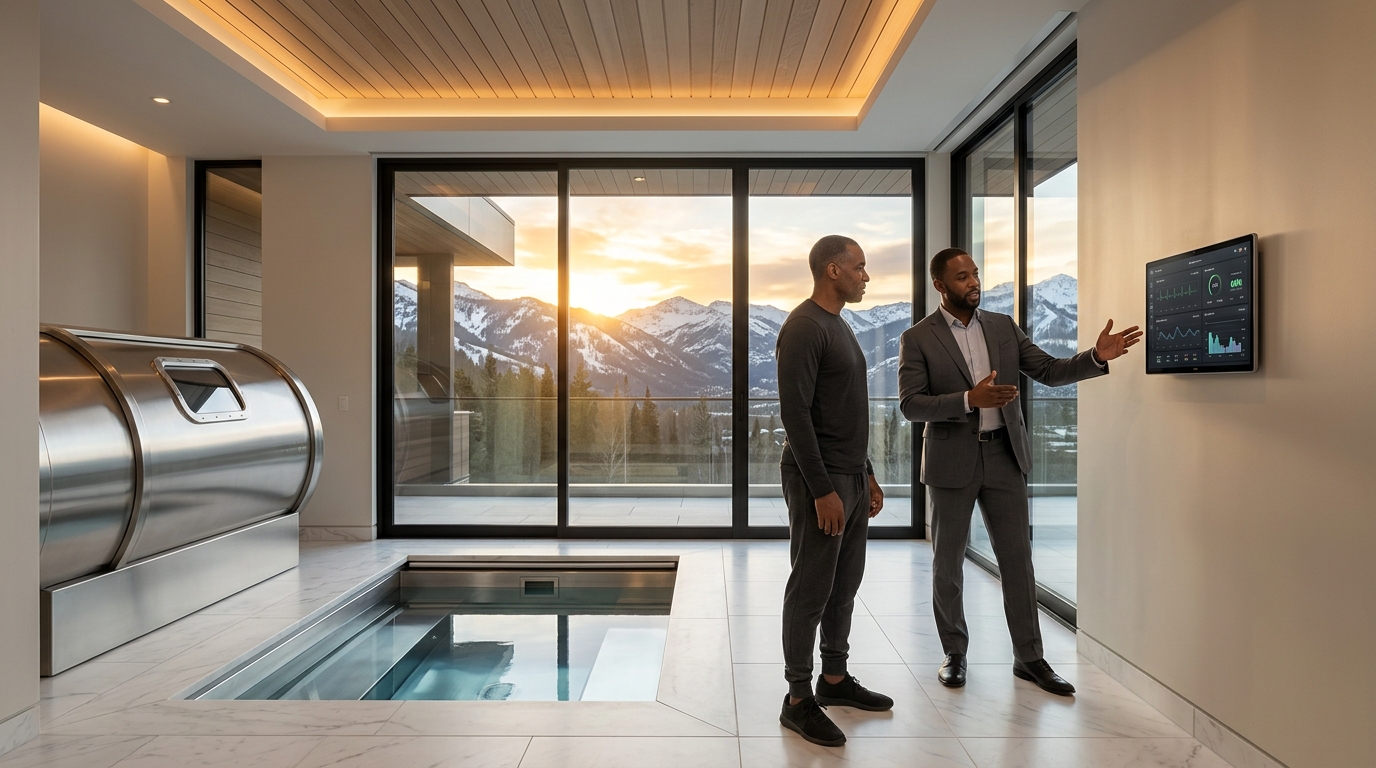
Furthermore, the integration of advanced systems—what we might term the silent infrastructure of a home—has become a standard requirement rather than an elective luxury. Climate control, subterranean security protocols, and sustainable power grids are now the quiet engines that allow a property to function as a seamless sanctuary. A home that requires constant human intervention to maintain its baseline operations is a failed asset. The most successful properties operate with a degree of autonomy that mirrors the sophistication of their owners. They provide the necessary support for a life of high-velocity movement while demanding very little in return.
In the final analysis, the acquisition of a legacy estate is an act of stewardship. The most successful market participants recognize that they are merely temporary custodians of significant land. By prioritizing structural integrity, geographical exclusivity, and operational autonomy, they preserve the value of the asset for future iterations of their own family office or for the next generation of global capital. There is a profound satisfaction in owning a residence that does not require an explanation or a marketing narrative to justify its valuation. The property speaks for itself, grounded in the quiet confidence of superior construction and an impeccable position on the landscape. This is the standard to which we must all hold ourselves when evaluating the next acquisition.