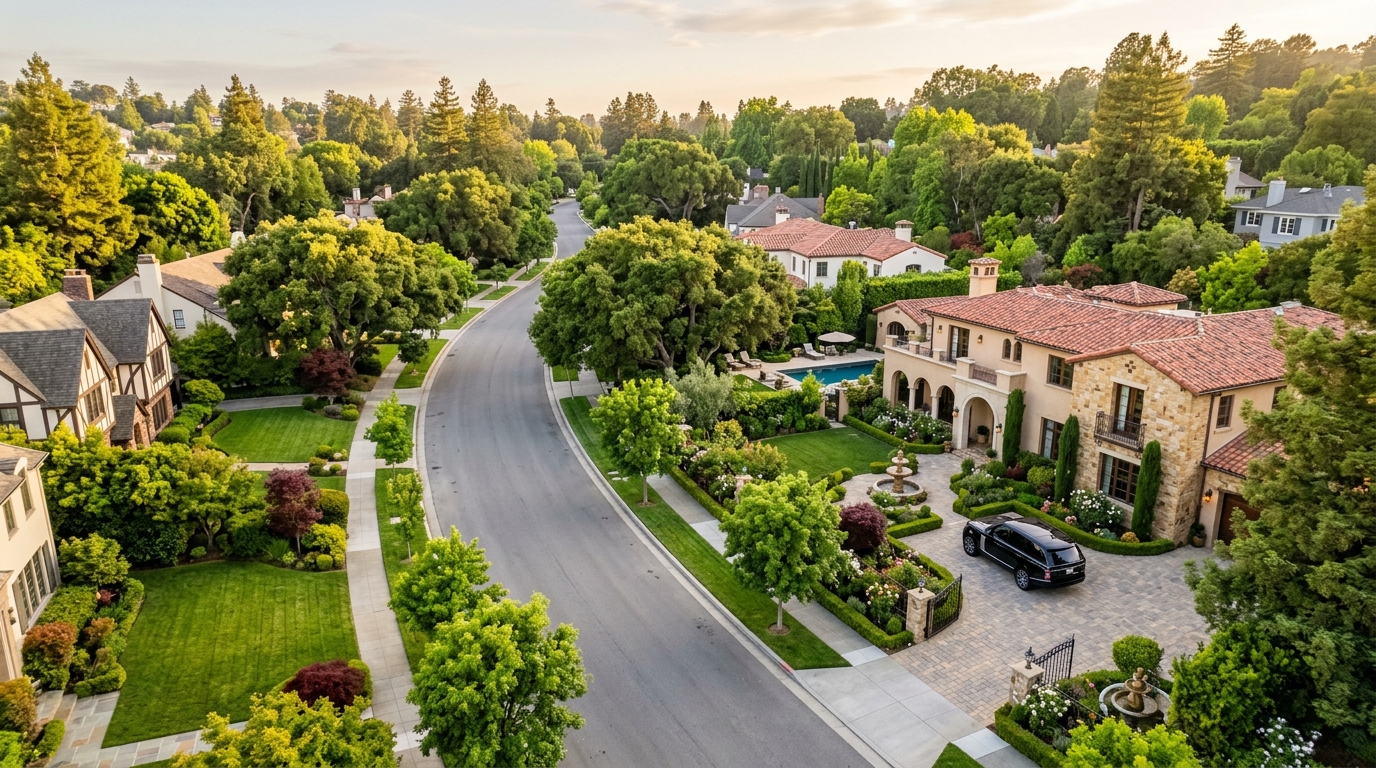
In the upper echelons of the West Coast and mountain markets, the acquisition of a trophy property is frequently treated as an emotional endeavor. Sophisticated capital, however, dictates that a residence in the eight-figure range should be evaluated with the same rigor as an institutional commercial asset. When navigating the acquisition of a luxury home, the primary objective is not merely the enjoyment of the asset but the strategic management of its inherent liquidity and long-term capital preservation. Discerning buyers must understand that the most desirable properties possess a structural resilience that protects value regardless of broader macroeconomic volatility.
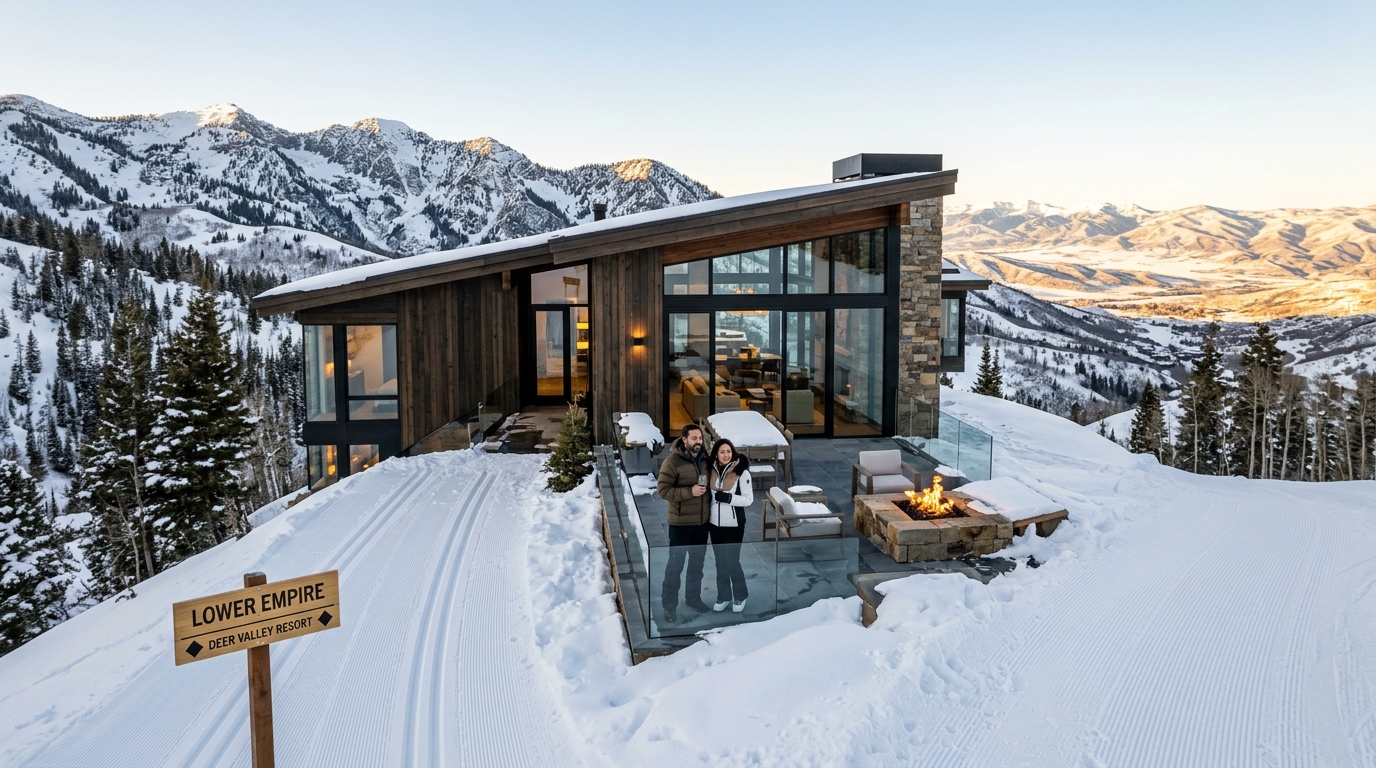
The first imperative is to decouple property condition from underlying land value. In prime zip codes, the structure itself is often a depreciating asset, while the parcel remains the true store of value. Investors frequently over-allocate capital toward cosmetic flourishes that offer negligible returns upon exit. To optimize the acquisition, one must prioritize the hierarchy of location: topography, view corridors, and privacy. These elements are immutable and cannot be engineered. A property that occupies a commanding position on a ridgeline or holds a rare waterfront title provides a natural hedge against market cycles. When evaluating a potential purchase, focus on the scarcity of the land parcel rather than the current interior design, as tastes evolve far more rapidly than geography.
Capital preservation begins with an objective assessment of exit velocity. Even for those who intend to hold an asset for a decade, the ability to divest quickly is the ultimate hallmark of a prime property. Liquidity in the luxury sector is dictated by a property’s adherence to architectural regionalism. Homes that successfully integrate with their environment, utilizing local materials and respecting the vernacular of the landscape, maintain a broader appeal among qualified buyers. Conversely, hyper-specialized architectural statements often face a truncated buyer pool. While a singular, avant-garde design may satisfy personal aesthetic requirements, it frequently introduces friction during the eventual transition of the asset. The most astute investors seek a balance between distinctive character and broad market accessibility.
Structural due diligence must extend well beyond the standard inspection report. At the $10M+ level, the complexity of mechanical systems, geotechnical stability, and building envelope integrity requires a level of scrutiny that standard residential protocols fail to provide. Engaging independent consultants to audit the subterranean integrity of a mountain estate or the structural engineering of a coastal property is a mandatory cost of doing business. The risk of deferred maintenance in high-end homes is not merely financial but existential. Remediation costs for architectural-grade glass, climate control systems, and foundation stabilization can erode the basis of an investment overnight. One must view these systems as operational overhead, requiring a proactive maintenance strategy that preserves the asset’s institutional quality.
Furthermore, the legal and regulatory landscape of luxury enclaves is increasingly restrictive. Investors must evaluate the potential for future development limitations within the immediate vicinity. A property that appears to offer privacy today may be compromised tomorrow by changes in municipal zoning or the density of adjacent parcels. Investigating the trajectory of land use in the surrounding area is as vital as the appraisal of the home itself. Understanding the nuances of private water rights, conservation easements, and neighborhood association covenants allows a buyer to anticipate potential constraints on future appreciation. Sophisticated buyers view the title as a dynamic instrument that requires a comprehensive understanding of the regulatory environment to ensure that the asset remains unimpeded.
Finally, the most successful transactions are often those that occur in the shadow of the public market. The highest quality assets frequently trade in private channels to preserve the discretion of the principals involved. Cultivating relationships with advisors who possess deep, historical knowledge of specific micro-markets provides access to inventory that never surfaces on public platforms. This quiet market is where true value is identified and secured. By focusing on the structural fundamentals of land scarcity, architectural relevance, and rigorous due diligence, the high-net-worth investor transforms a residence into an enduring component of a diversified portfolio. Elegance in real estate is not found in the superficial, but in the calculated precision of the acquisition process.