In the rarefied strata of the West Coast and mountain luxury markets, residential architecture is often treated as a fashion statement. Investors and developers frequently lean into the prevailing design vernacular of the moment, hoping that a glass-heavy aesthetic or a specific minimalist geometry will command a premium. This approach is fundamentally flawed. When one transacts in the eight-figure range, the goal should not be to capture the spirit of an era, but to transcend it. The most enduring properties are those that prioritize structural permanence and a profound dialogue with their immediate topography over the pursuit of stylistic novelty.
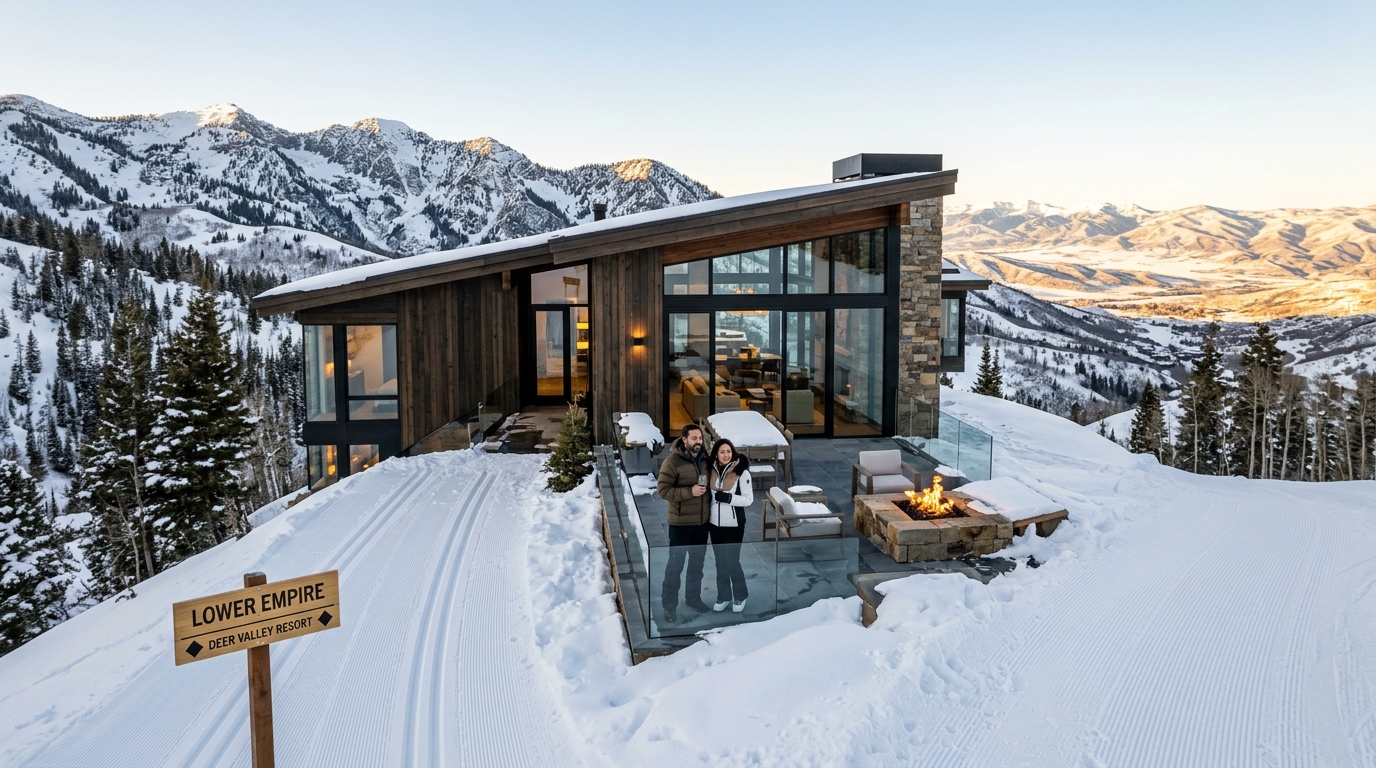
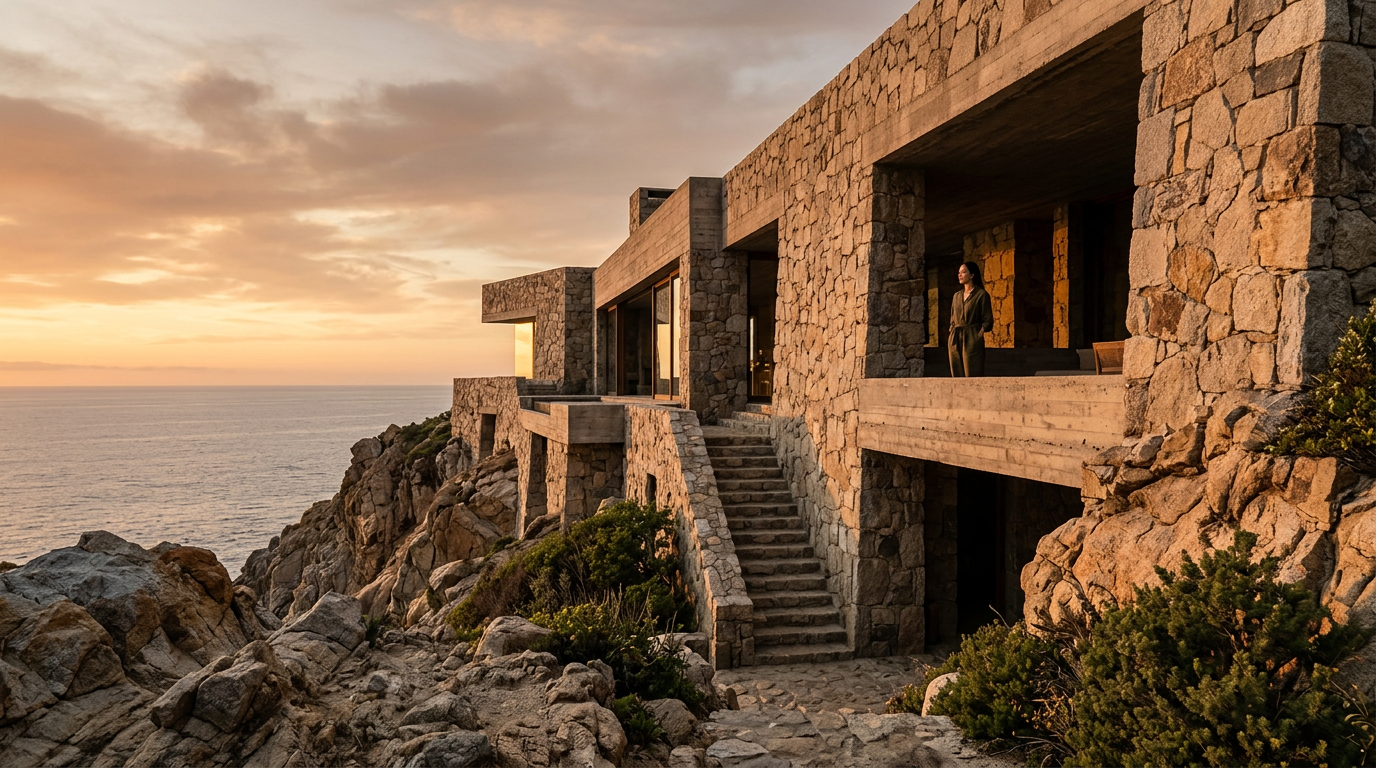
Site-responsive design is the bedrock of long-term appreciation. A residence that feels as if it were unearthed from the landscape, rather than imported onto it, possesses an inherent stability that trend-driven architecture lacks. When a structure respects the natural contours of a coastal bluff or the rugged elevation of a mountain ridge, it creates a psychological anchor for the inhabitant. This connection to the land is the single most significant factor in maintaining liquidity during market contractions. Buyers at the top of the market are rarely looking for a house; they are looking for a singular experience of place that cannot be replicated elsewhere. If a home can be picked up and placed in a different zip code without losing its integrity, it is a commodity rather than an asset.
Materiality serves as the primary language of permanence. In an industry obsessed with synthetic innovations and lightweight veneers, the use of authentic, aging materials remains the hallmark of true luxury. Stone, timber, and copper do not merely exist; they evolve. They accept the patina of the climate, signaling to the observer that the home is a living participant in its environment. When a property is built with an adherence to honest materials, it avoids the inevitable obsolescence that plagues homes reliant on high-maintenance, non-porous synthetics. True luxury is the ability to age with grace. Buildings that attempt to remain eternally static through the application of fragile, modern coatings often reveal their age within a decade. Conversely, a residence clad in granite or cedar only deepens its character as the seasons pass.
The internal arrangement of space must also prioritize volumetric intelligence over decorative flourishes. Modern floor plans often sacrifice structural clarity for open-concept layouts that prioritize sightlines above all else. While these designs are popular in brokerage marketing, they frequently lack the necessary acoustic dampening and thermal efficiency required for a truly comfortable lifestyle. A sophisticated architectural plan understands the necessity of transition. It creates a rhythm between public assembly spaces and private, protective enclosures. These pockets of silence and solitude are what separate a habitable structure from a mere showroom. The most successful luxury homes are those that offer the owner agency over their environment, allowing them to retreat into quietude or open the residence to the landscape as the occasion demands.
Furthermore, one must address the role of light as a structural element. In the mountain markets, where high-altitude sun can be unforgiving, or along the coast, where salt air dictates specific glazing requirements, the manipulation of natural light is a technical discipline. It is not merely about floor-to-ceiling glass, which can create a greenhouse effect that degrades both the interior finishings and the occupant's comfort. It is about the precise positioning of apertures to harness the sun’s path throughout the year. A home that is masterfully lit is a home that requires less energy to maintain and feels more expansive without needing to increase its total square footage. This efficiency is a hallmark of institutional-grade design.
Ultimately, the decision to invest in architecture that prizes longevity is an exercise in discerning value. In a market crowded with speculative flips and design-heavy projects, the properties that continue to command the highest price per square foot are those that exhibit a quiet, stoic confidence. They do not shout for attention. They exist in balance with their surroundings, built with an uncompromising commitment to craft and the understanding that the most valuable real estate is that which will remain relevant for generations. For the serious investor, the architecture of permanence is the only rational choice in an increasingly volatile world.