The ultimate luxury in an era of constant connectivity is the deliberate curation of silence. As high-net-worth individuals increasingly seek primary residences that double as sanctuaries, the focus has shifted from mere aesthetic indulgence to the rigorous engineering of acoustic sovereignty. In the dense urban centers of the West Coast and the mountain corridors, where the friction of commerce and transit is ever-present, the ability to insulate one’s private environment from the external auditory landscape has become the primary metric of a superior asset.
Acoustic performance is the silent variable in property valuation. While prospective buyers often obsess over finish schedules and the provenance of marble, they frequently overlook the structural measures taken to mitigate vibrational transfer and ambient noise. An estate that lacks professional grade acoustic dampening is fundamentally compromised, regardless of its location or architectural pedigree. The modern buyer must view the home as a performance vessel, where the envelope serves as a fortress against the cacophony of the outside world.
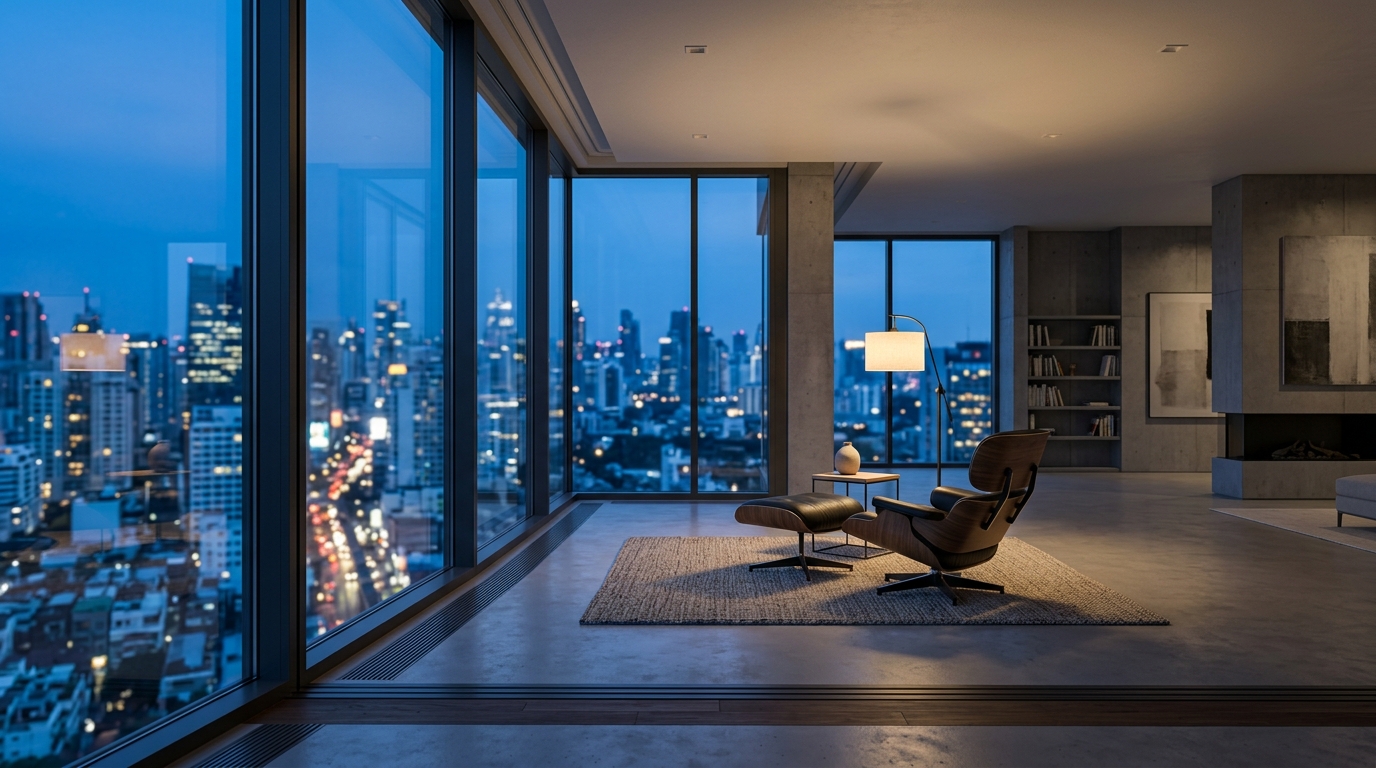
The engineering of quietude begins at the subterranean level. In urban high-rise developments, the primary challenge is the structural transmission of noise through steel and concrete members. Sophisticated developers now employ independent structural slabs and neoprene isolation bearings to decouple the residence from the building skeleton. This prevent the vibration of mechanical systems or adjacent units from manifesting as a low frequency hum within the living space. When evaluating a potential acquisition, one must inquire about the decibel attenuation levels of the floor-to-ceiling glazing systems. Standard glass, even when double-paned, often fails to mitigate the specific frequencies generated by city traffic or high altitude wind currents.
Strategic massing remains the most effective tool for sound mitigation. Interior design choices play a critical role in the final acoustic signature of a residence. Soft surfaces, while aesthetically divisive to the minimalist purist, are essential for absorbing sound waves. The integration of acoustic panels disguised behind custom millwork or bespoke wall coverings allows for a space that feels intimate and hushed, even in large volumes. This is not merely about comfort, but about maintaining the intellectual clarity that the modern principal requires.
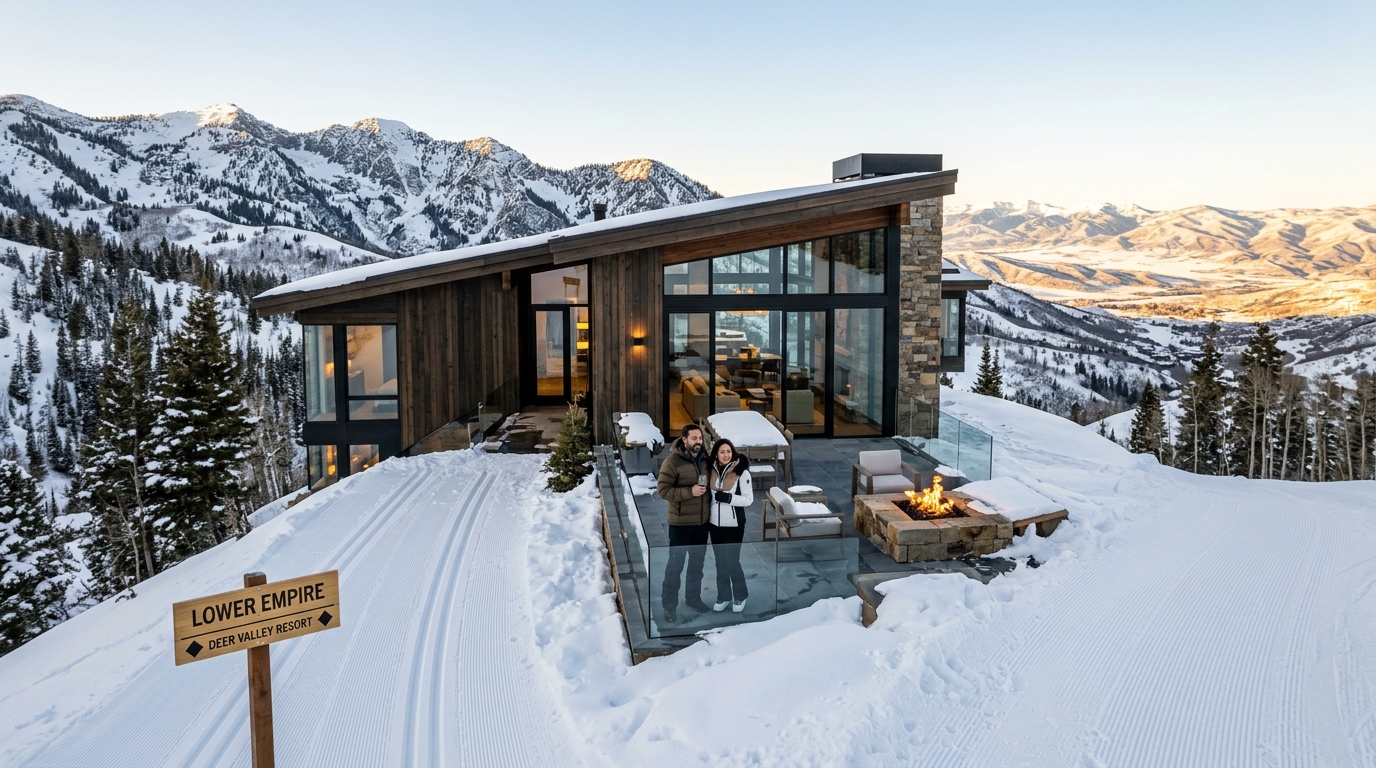
Beyond the structural and the interior, there is the matter of environmental buffer zones. In the mountain markets, quietude is often mistaken for isolation. However, true acoustic management in these regions requires careful planning of the landscape to act as a sound baffle. Dense vegetation, when planted with specific density and species selection, can deflect and absorb sound waves before they reach the building envelope. A property that is situated on a slope requires a different acoustic strategy than one on a valley floor, as sound behaves with distinct characteristics depending on the topography. Investors must recognize that the land is an active participant in the acoustic life of the residence.
The psychological benefit of a silent home cannot be overstated. In the upper echelons of the market, where the demand for focus and cognitive performance is extreme, the home functions as a restorative laboratory. The absence of unwanted auditory stimulus allows for a neural reset that is impossible to achieve in standard residential builds. When the environment is calibrated to remove external noise, the resident experiences a profound shift in productivity and emotional regulation. This is the invisible utility of a well-engineered estate.
Discerning buyers should look for evidence of acoustic commissioning reports, which are increasingly common in institutional grade assets. These reports detail the performance of the building envelope, the efficacy of the HVAC silencing systems, and the sound transmission class ratings of the partition walls. If a listing lacks this documentation, it is an indication that the asset has not been built to the standard required for true long term holding. In the current market, silence is not merely a preference, but a luxury commodity. It is the final frontier of residential development, separating the adequate from the exceptional. By prioritizing the structural integrity of sound management, the sophisticated investor secures an asset that offers both immediate respite and sustained value in a world that is only becoming louder.