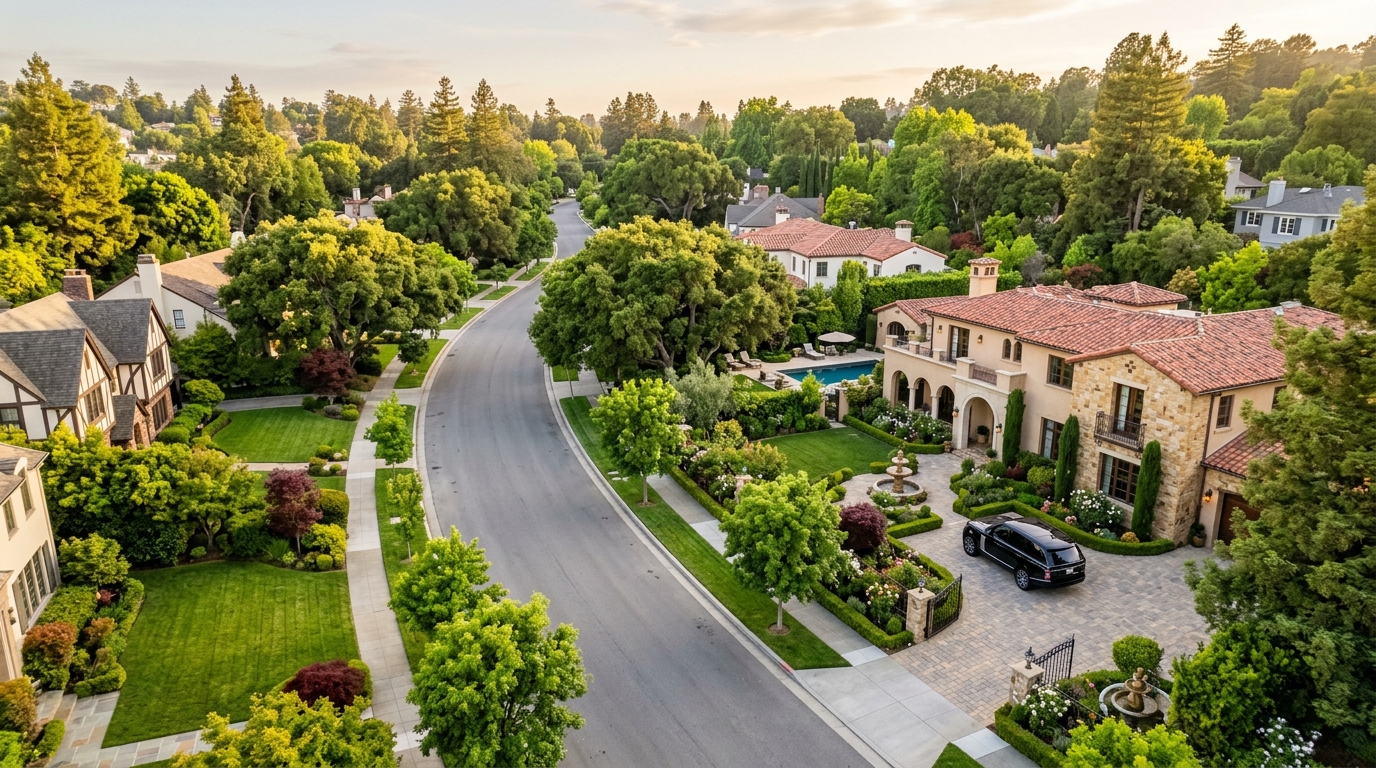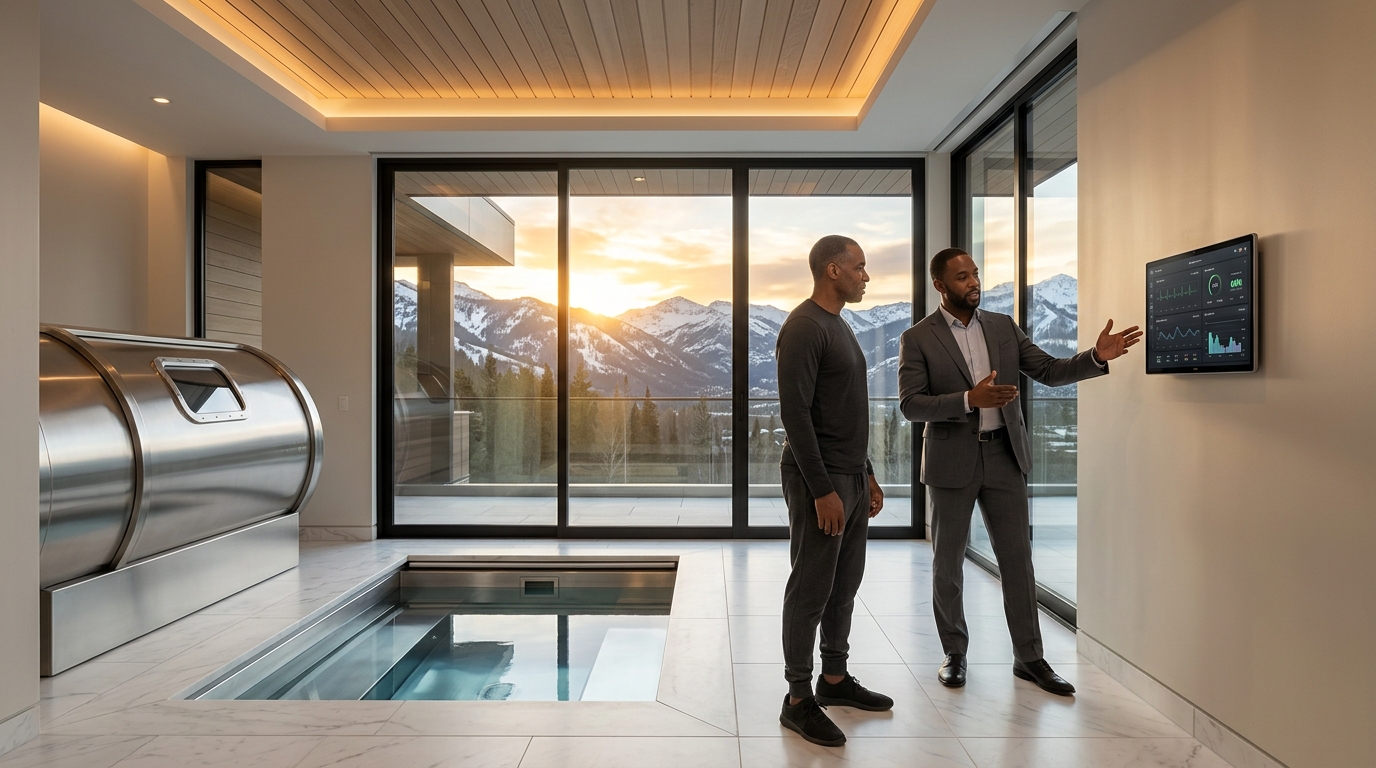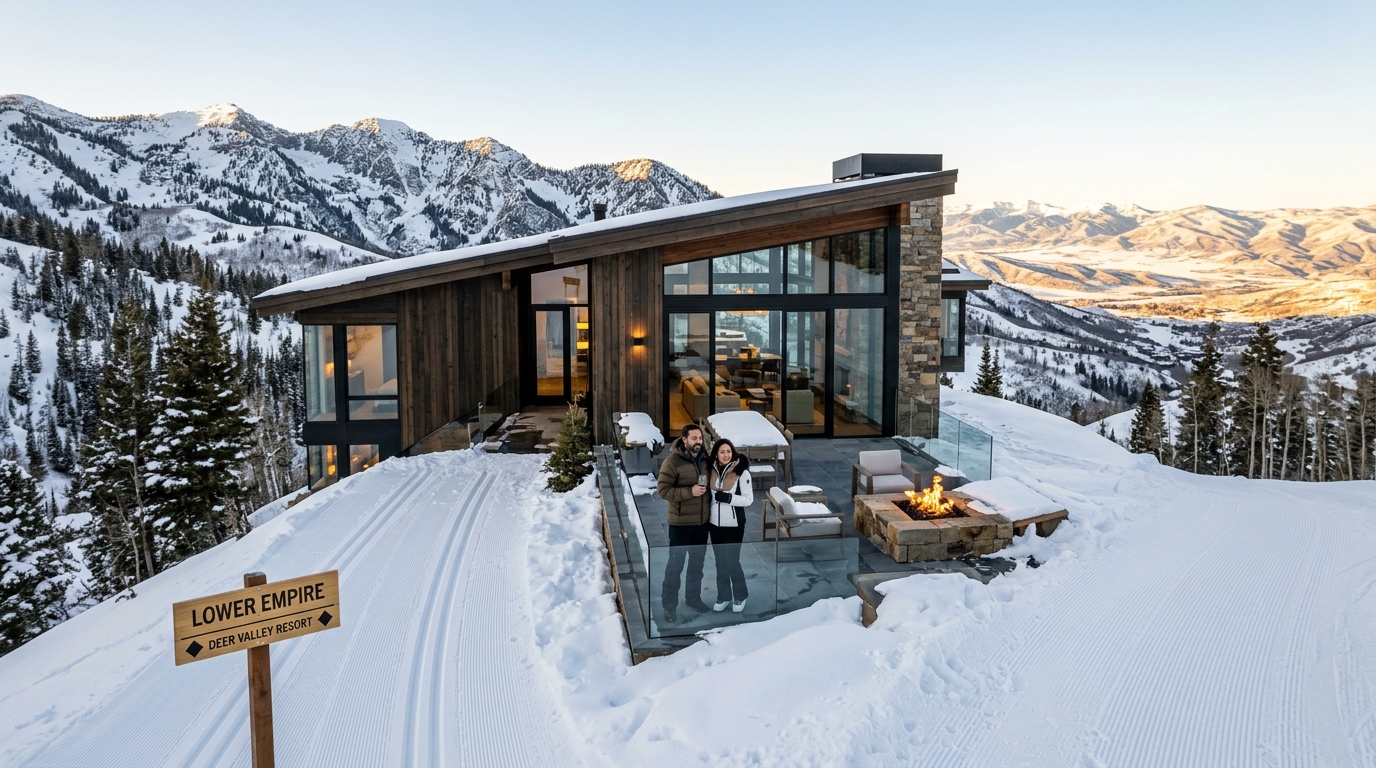
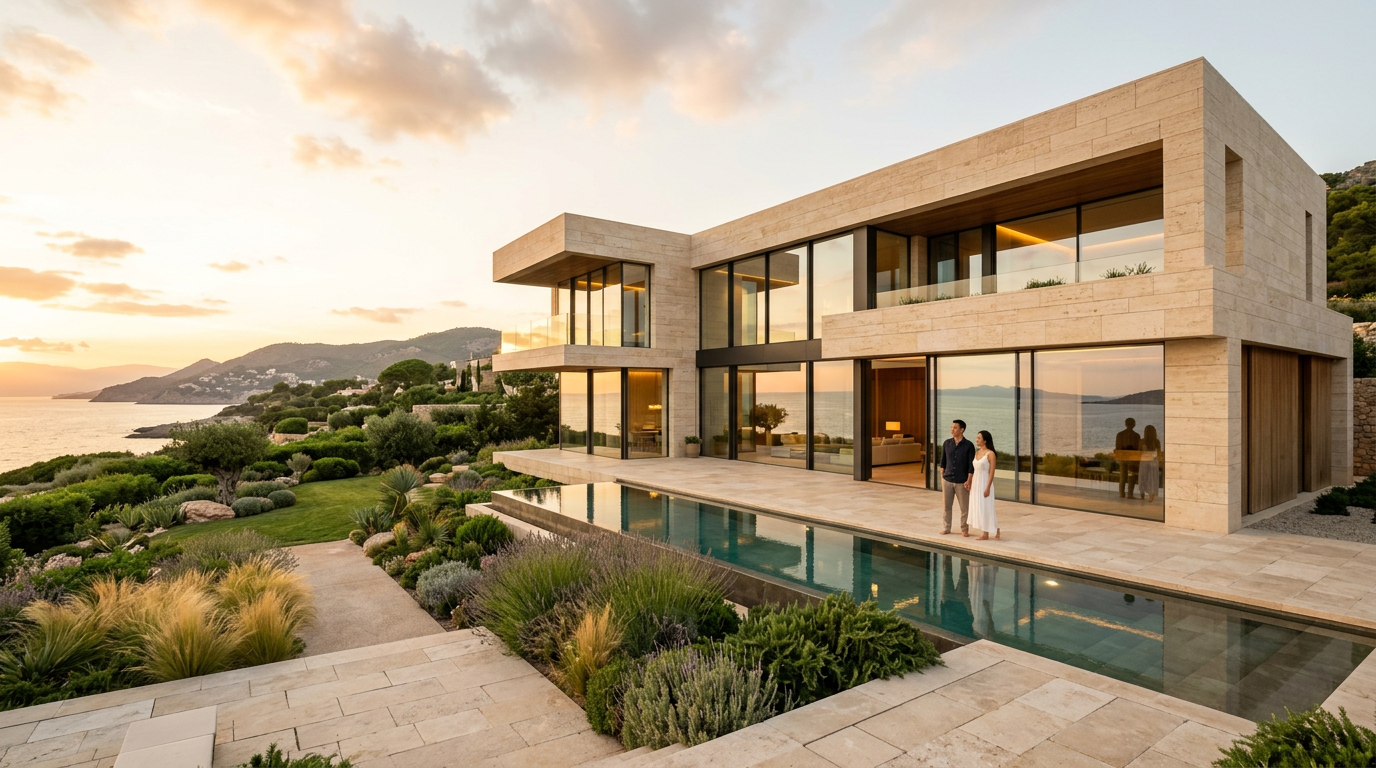
In the rarefied air of the high-end residential market, the distinction between a trophy property and a depreciating liability often rests upon a singular, elusive quality: architectural intent. For the sophisticated investor, the dwelling is rarely a static habitat. It is a financial instrument that must be calibrated to withstand the cyclical shifts in taste and the inevitable erosion of trend-based design. When capital is deployed in the eight-figure range, the most significant risk is not market volatility, but the structural and aesthetic obsolescence that renders a home unsellable to the subsequent generation of ultra-high-net-worth buyers.
Structural integrity remains the primary hedge against value decay. While surface finishes and interior palettes are ephemeral, the foundational bones of a residence dictate its ultimate liquidity. Properties that prioritize volume, light, and logical circulation patterns transcend stylistic whims. An architect who forces a rigid, idiosyncratic vision upon a site often creates a house that functions as a monument to their own ego rather than a sustainable living environment. The most resilient assets are those where the architecture defers to the topography, framing the landscape rather than competing with it. When a home is designed to integrate seamlessly with the natural elements of its specific geography, it creates a sense of permanence that buyers instinctively recognize and value.
Sophistication in residential design is characterized by restraint. We often observe owners who confuse complexity with luxury, layering redundant textures and overly intricate millwork in a misguided attempt to justify a premium valuation. This is a strategic error. True architectural value is found in the economy of line and the purity of material selection. A property that utilizes honest, enduring materials—such as reclaimed stone, structural steel, and timber treated with reverence—will age with grace. These materials do not merely survive the passage of time, they develop a patina that enhances the character of the asset. Conversely, the use of synthetic composites or high-maintenance exotic materials often signals a lack of foresight, forcing future owners to confront significant renovation costs that will inevitably be deducted from the final sale price.
Furthermore, the internal flow of a estate must accommodate the evolving requirements of modern living without necessitating structural surgery. The most liquid properties are those designed with a high degree of programmatic flexibility. A bedroom that can transition into a private study, or a formal gallery space that serves as an extension of the primary living area, provides the utility that sophisticated buyers demand. If the floor plan is too rigid, the owner is tethered to a single mode of existence. By investing in an architecture that allows for subtle evolution, the owner protects the asset from the changing lifestyle patterns that define the market every decade.
The role of the architect in this equation is to serve as a steward of capital. A truly successful design facilitates a dialogue between the interior and the exterior, ensuring that the transition from a private sanctuary to the public landscape feels intuitive. When a home achieves this equilibrium, it effectively eliminates the friction of resale. Buyers are not merely purchasing square footage; they are purchasing a lifestyle that feels inevitable and effortless. If the architecture feels forced, or if the layout requires a mental map to navigate, the buyer will inherently discount the property.
Ultimately, the objective is to avoid the trap of the architectural fad. The market is littered with homes that were considered avant-garde at their inception but have since become curiosities that appeal to a dwindling demographic. Investment-grade design is quiet. It is confident in its proportions and respectful of its surroundings. It does not demand attention, but it commands respect through its execution and its commitment to lasting quality. For those navigating the upper tiers of the West Coast and mountain markets, the mandate is clear: prioritize the bones of the building, select materials that improve with age, and demand a floor plan that honors the logic of human movement. The market will always reward a home that feels as though it has been part of the landscape for a century, even if it was completed only yesterday.