In the upper strata of the real estate market, capital preservation is the primary objective, with appreciation serving as a secondary byproduct of structural scarcity. For the sophisticated investor, the decision to deploy capital into a specific neighborhood is rarely a bet on near-term market sentiment. Instead, it is an exercise in identifying geographic moats that remain impervious to macroeconomic volatility. To understand why certain enclaves maintain an iron grip on valuation while others fluctuate, one must look beyond aesthetics and amenities toward the underlying mechanisms of land tenure and social exclusivity.
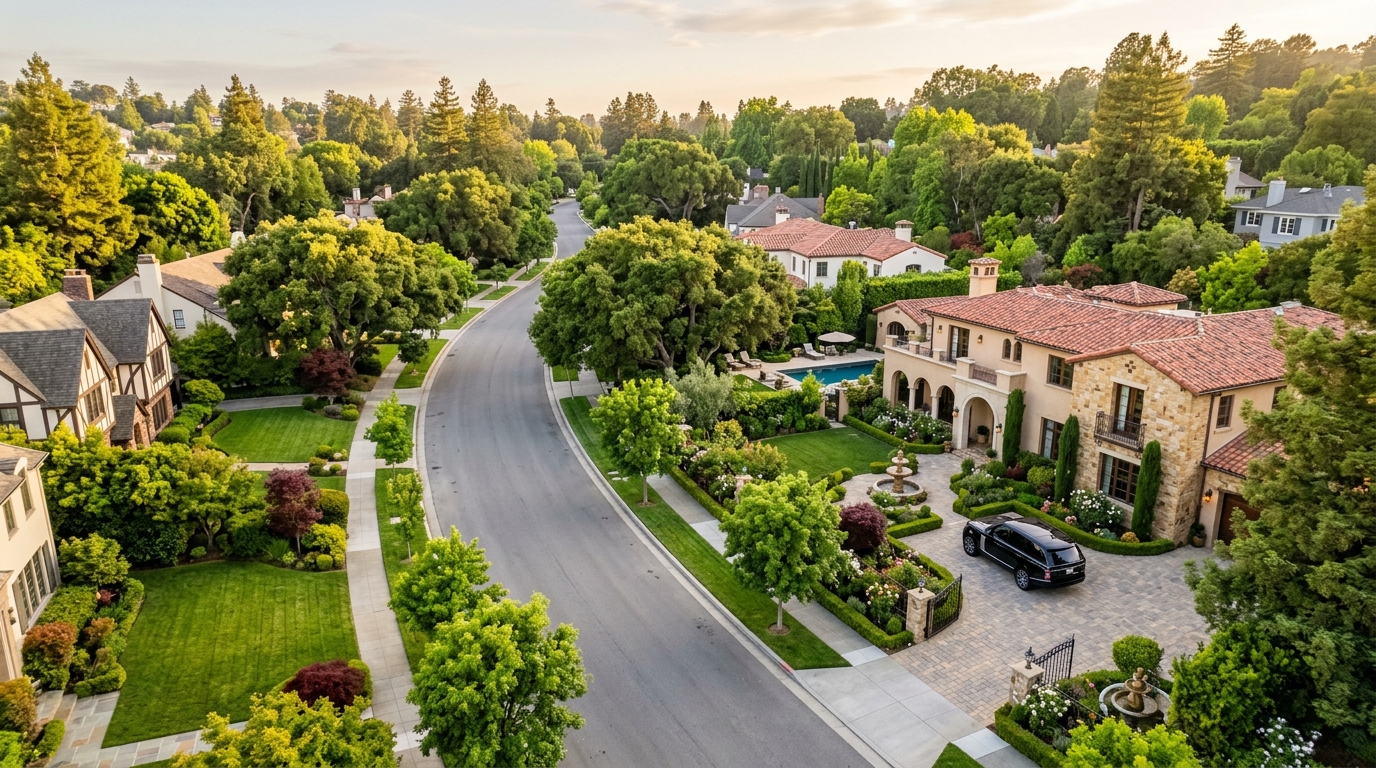
The most resilient neighborhoods share a common denominator: they have reached a state of perpetual supply limitation. When a municipality or a geographic barrier prohibits the expansion of the residential footprint, every acquisition becomes a stake in a finite resource. Investors often confuse popularity with value. A neighborhood currently trending on social media or experiencing a surge in speculative construction is inherently risky, as it lacks the historical data required to prove its longevity. True prime markets are defined by their resistance to change. They are the areas where the streetscape remains consistent, the zoning remains protective, and the demographic profile remains static across decades.
The critical indicator of a neighborhood's long-term viability is the velocity of turnover among long-term owners. When a street predominantly features residents who have occupied their properties for twenty or thirty years, the neighborhood possesses a psychological anchor. This stability discourages the rapid flipping of assets that often erodes the character of a community. Investors should seek out enclaves where the cost of entry is high, but the cost of exit is rarely considered. These are the zones where the house is viewed as a legacy asset rather than a liquid security.
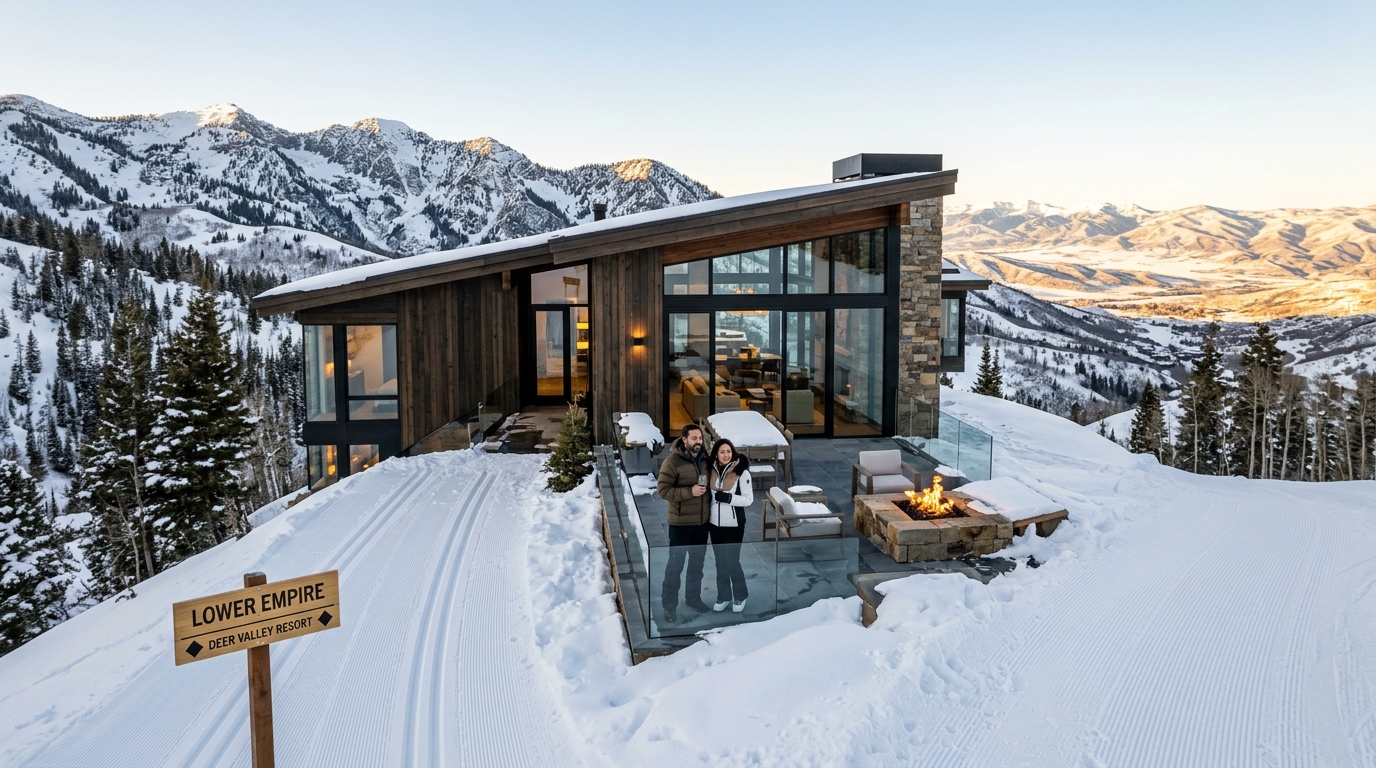
Topographic constraints serve as the most effective protectors of capital. A neighborhood nestled against a protected mountain range, or one defined by its waterfront geography, has a natural ceiling on inventory. Unlike developments on the periphery of metropolitan hubs, which can expand into neighboring jurisdictions, these enclaves have nowhere to go. This scarcity mandates a premium that is fundamentally decoupled from the cost of construction. You are paying for the position, not the structure. Consequently, the structure itself becomes a secondary consideration. Investors who prioritize the architectural pedigree of a home over the integrity of its location often find themselves holding a depreciating asset in a declining neighborhood, while those who prioritize the land acquire a foothold in an appreciating ecosystem.
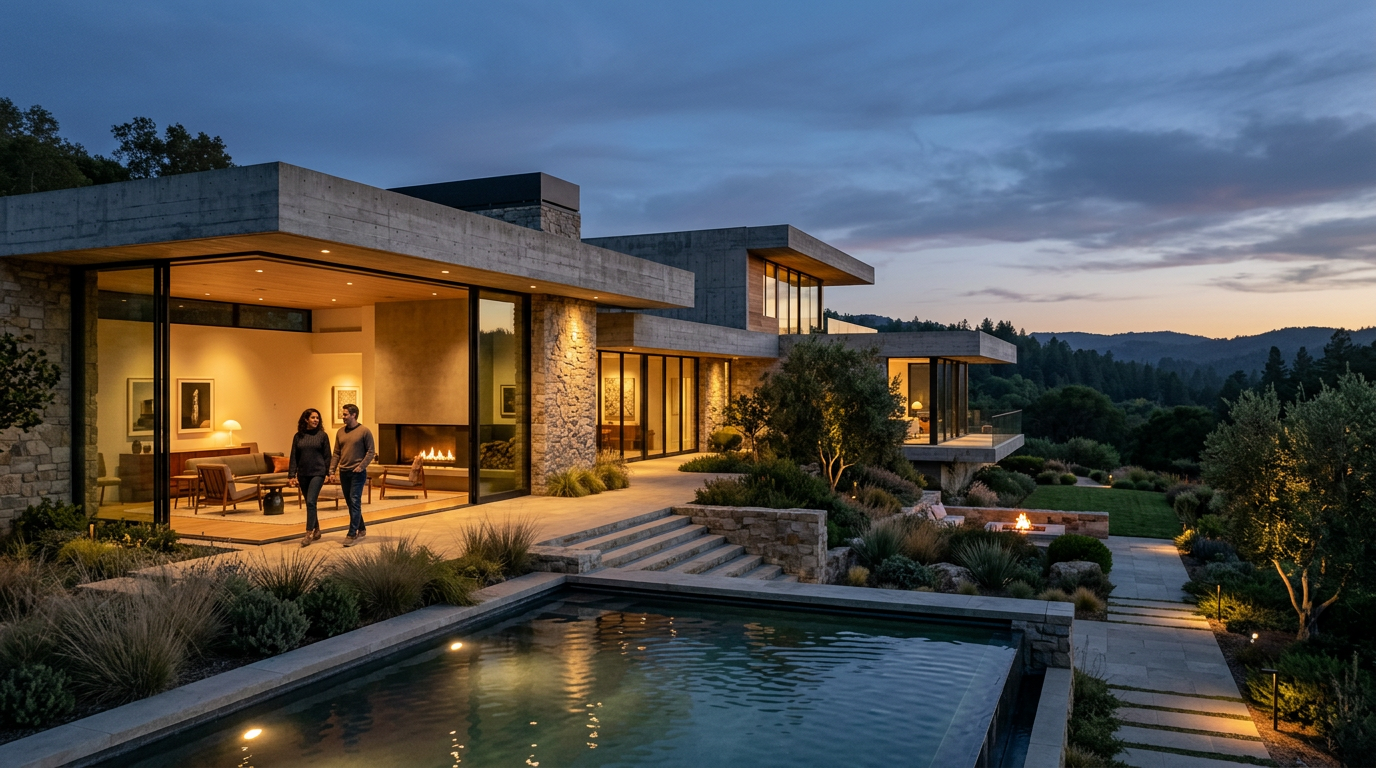
Infrastructure and accessibility are secondary to the concept of privacy. While proximity to private aviation hubs or cultural institutions is a convenience, the absolute value of a neighborhood is dictated by the level of controlled access. The most successful residential enclaves often employ natural or artificial barriers that delineate the private from the public. This delineation creates a sense of separation that remains the ultimate luxury in an increasingly transparent world. When evaluating a potential investment, consider whether the neighborhood allows for a seamless transition from the public sphere to a private sanctuary. If the streetscape is constantly exposed to outside traffic or if the neighborhood serves as a thoroughfare, its value will always be tempered by the lack of exclusivity.
Finally, there is the matter of institutional memory. The most resilient markets are those that have survived multiple economic cycles without a fundamental shift in their reputation. These neighborhoods are governed by a quiet, unspoken consensus among the local elite regarding what constitutes appropriate use of land. This social governance is far more effective than any municipal code. It maintains the character of the neighborhood, ensuring that the investment does not suffer from the dilution of its prestige. When you acquire property in such an environment, you are not merely purchasing a residence. You are securing a position within a self-sustaining hierarchy of value that has proven its resilience against the tides of broader market instability. The prudent investor does not seek out the next frontier, but rather, the enduring core.