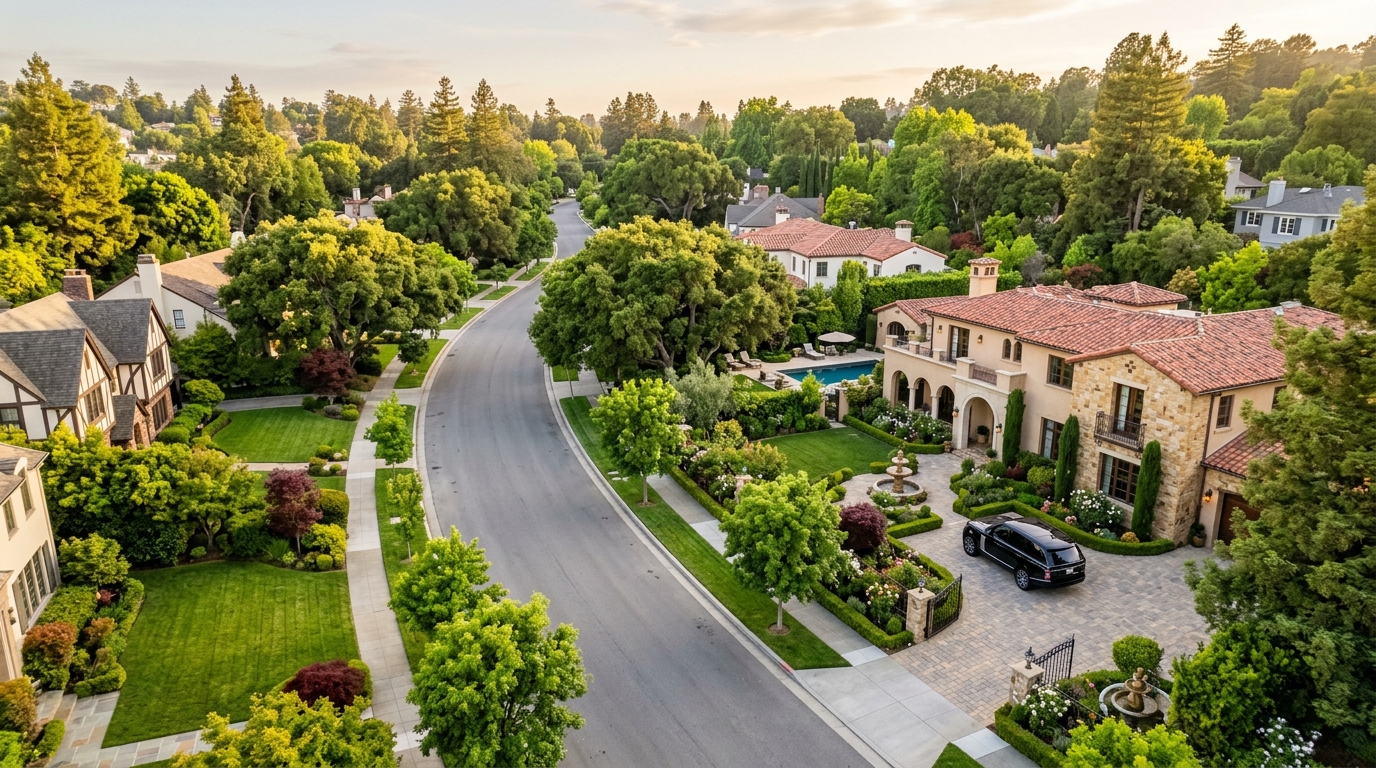
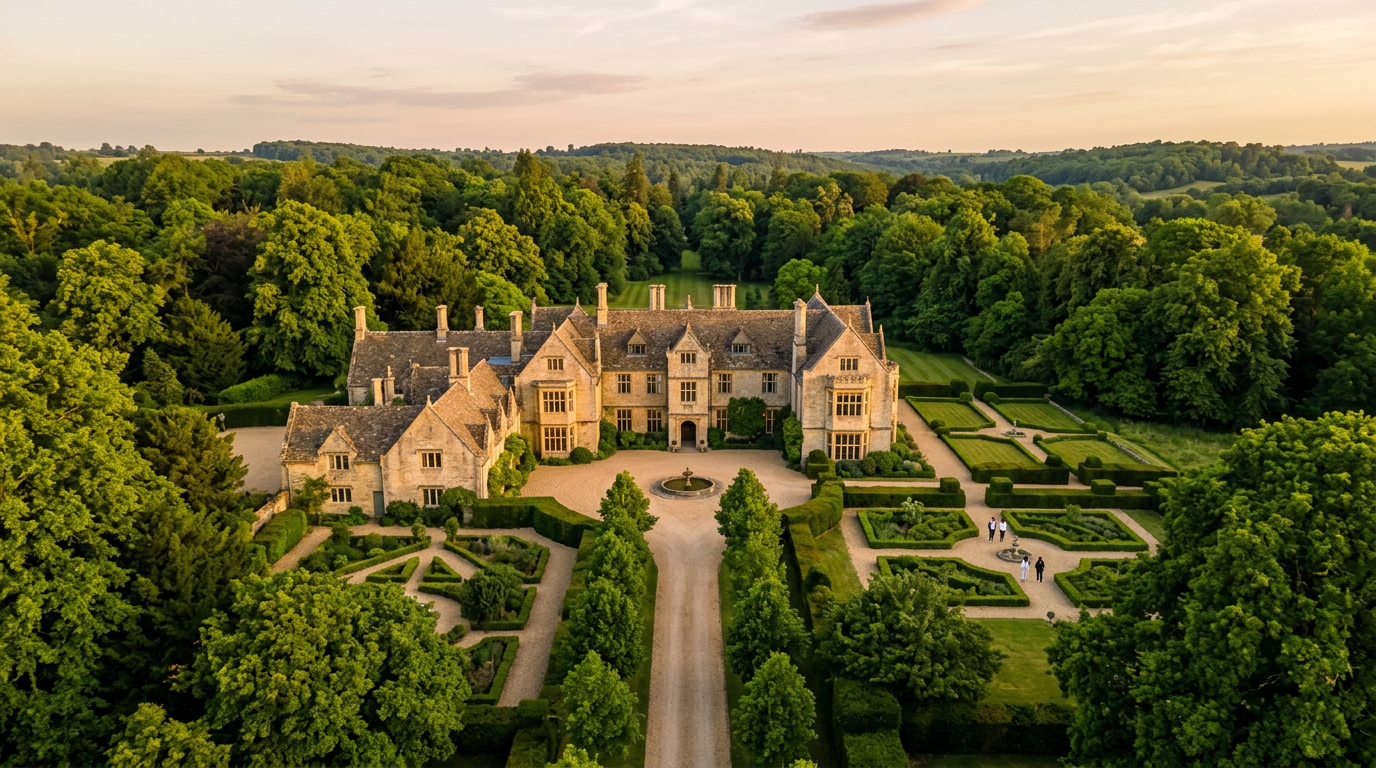
In the upper tiers of the real estate market, liquidity is rarely a function of broad economic tides. Instead, it is a localized phenomenon governed by the immutable laws of geography and municipal constraint. When evaluating a position in the West Coast or mountain markets, the most sophisticated investors prioritize structural scarcity over aesthetic trends. The true value of a trophy property resides in the intersection of land limitation and regulatory insulation, a combination that renders the neighborhood impervious to the volatility of broader market cycles.
The first variable in this equation is the physical boundary. Prime coastal stretches and high-altitude mountain basins possess a finite amount of buildable surface area. Once the available perimeter is occupied, the market shifts from a growth paradigm to one of replacement. In these enclaves, the objective is no longer to identify the next emerging location, but to secure a foothold in a zone where the inventory is effectively locked. For the high-net-worth individual, this represents a hedge against inflationary pressure and an insurance policy against the dilution of neighborhood character.
Zoning serves as the second, and perhaps more critical, pillar of value protection. While geography dictates the physical limit, municipal planning determines the density and utility of that space. In the most resilient neighborhoods, restrictive covenants and historical designations function as a wall against the encroachment of high-density development. This regulatory friction is not an inconvenience for the homeowner; it is the mechanism that preserves the exclusivity of the asset. When a municipality limits the scale of future additions or mandates specific architectural guidelines, it protects the existing owners from the risk of sudden supply spikes or the degradation of the visual environment.
Sophisticated buyers often make the error of overvaluing the structure while discounting the permanence of the landscape. A residence can be renovated, expanded, or entirely reconstructed to meet changing tastes, but the context of the neighborhood is fixed. Therefore, the prudent investor treats the house as a depreciating asset and the land, coupled with its zoning rights, as the appreciating core. In mature, blue-chip neighborhoods, the premium paid for location is essentially a fee for the right to participate in an environment that cannot be replicated. This is why properties in these zones command top-tier valuations regardless of the age or condition of the physical residence.
The presence of institutional-grade infrastructure and social capital further solidifies these positions. It is not merely the quality of the homes that creates value, but the collective investment of the neighborhood residents in maintaining the public and private spheres. When a community consistently reinvests in its surroundings, it creates a moat that is difficult for outsiders to breach. This social cohesion acts as a secondary layer of protection for property values, as the desire to reside within such a collective remains high across generations. The market for these homes is rarely driven by urgent necessity, but rather by a perpetual demand from those who understand that access to these specific corridors is a rare privilege.
Investors should look for the subtle indicators of long-term stability: low inventory turnover, consistent capital improvement in neighboring lots, and an absence of speculative commercial activity. In a market where capital is mobile and information is abundant, the neighborhoods that retain their prestige are those that have successfully managed the tension between growth and preservation. The goal is to identify a location where the supply-demand imbalance is structural, not cyclical. In these rare pockets, the premium is not a cost to be justified, but a reflection of the inherent scarcity of the underlying asset. By focusing on the fundamentals of land utility and regulatory constraint, the investor secures a long-term position that transcends the temporary fluctuations of the market, ensuring the preservation and growth of wealth in an increasingly unpredictable financial landscape.