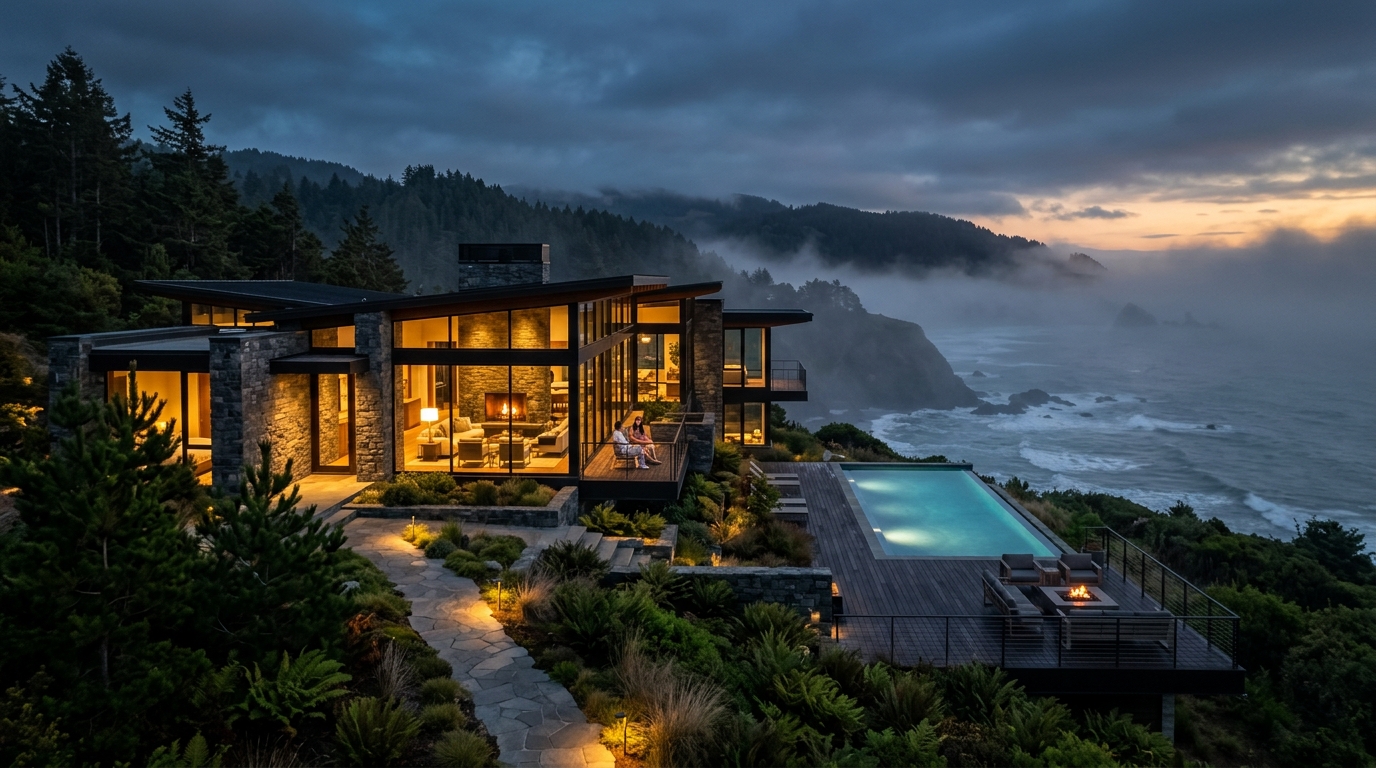
In the upper echelons of residential real estate, the traditional metrics of valuation—square footage, architectural pedigree, and proximity to cultural hubs—are increasingly being superseded by a more granular concern: the microclimatic stability of the asset. As institutional capital flows into luxury residential markets, the sophisticated investor must recognize that a property is not merely a static structure. It is a biological and meteorological participant in a shifting landscape. The ability of an estate to maintain its integrity against localized environmental stressors is now the primary determinant of long-term capital preservation.
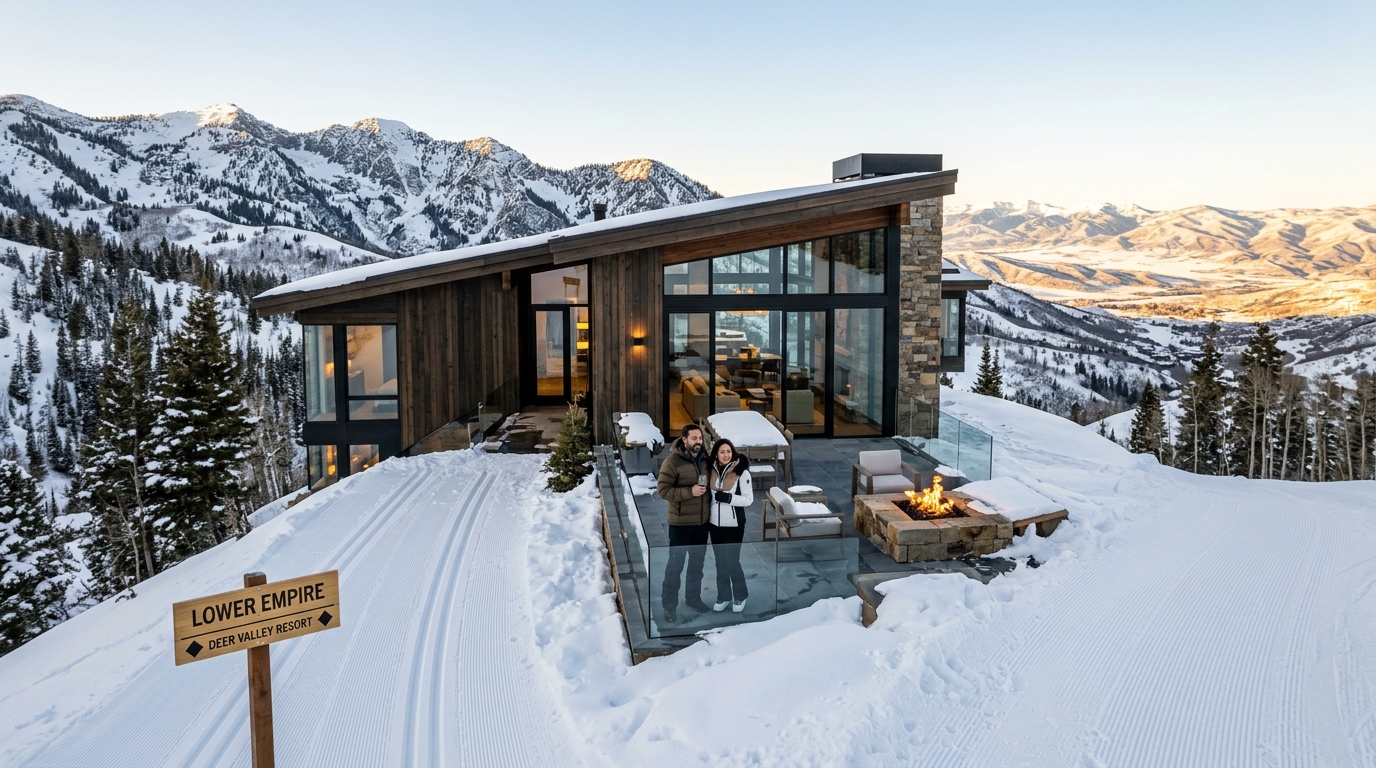
Investors often mistake the presence of lush landscaping or proximity to natural water features as indicators of value, yet these elements frequently mask significant liabilities. A property situated in a coastal fog belt or a mountain basin may offer unparalleled aesthetic serenity, but it also carries inherent risks related to moisture infiltration, soil stability, and atmospheric salt corrosion. Discerning buyers must move beyond the superficial inspection of finishes to conduct a rigorous analysis of the site-specific meteorological data. This requires an assessment of local wind patterns, thermal retention, and drainage profiles that extend far beyond the standard geological surveys provided during the typical due diligence period.
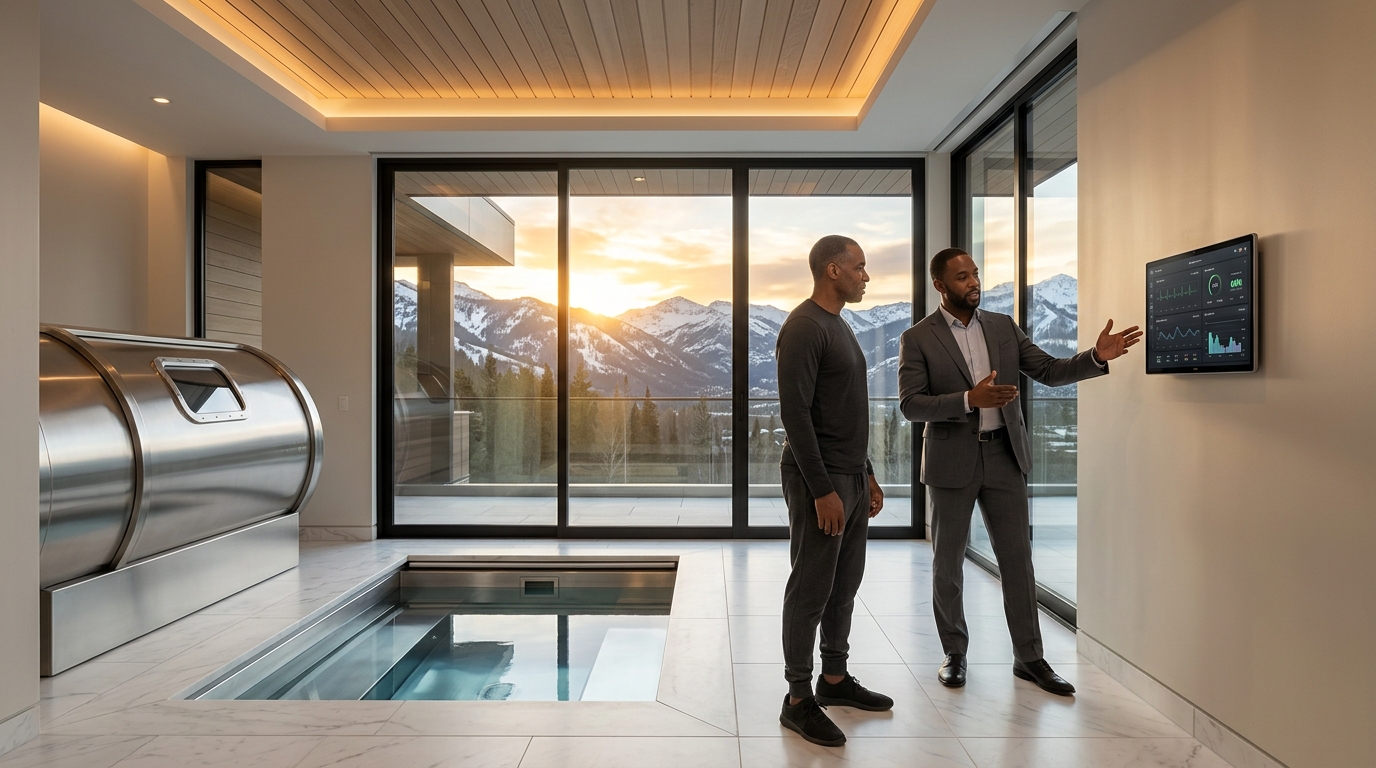
The thermal performance of an asset is the first frontier of this analysis. Luxury properties, characterized by expansive glass facades and complex floor plans, are notoriously difficult to climate control. When an asset is situated in a microclimate characterized by extreme diurnal temperature swings, the mechanical load on the building systems becomes a significant operational tax. Investors who fail to account for the energy demands required to mitigate these localized environmental conditions are effectively eroding their own internal rate of return. A property that requires constant mechanical intervention to remain habitable is not a trophy; it is a depreciating industrial machine.
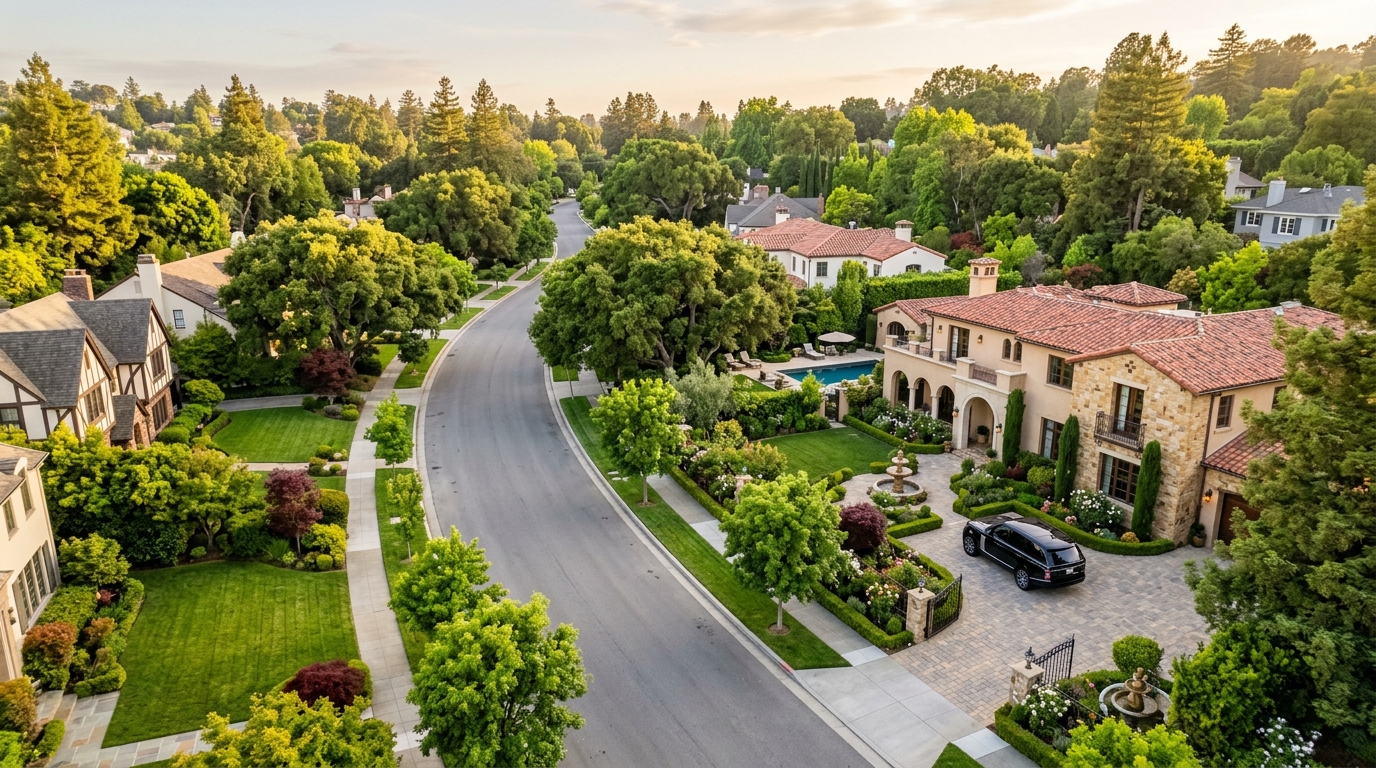
Furthermore, the concept of landscape resilience has evolved into a critical financial metric. Many legacy estates rely on high-maintenance flora that demand excessive water consumption or specific soil amendments to survive. As municipal water regulations tighten and drought patterns become more unpredictable, these properties face the risk of becoming uninsurable or prohibitively expensive to maintain. The smart investor seeks assets where the landscape architecture is in dialogue with the local ecology rather than in conflict with it. This creates a self-sustaining buffer that protects the structural foundations from soil erosion and hydrostatic pressure, which are the silent killers of luxury property values.
Structural longevity is inextricably linked to the management of atmospheric moisture. In high-barrier markets, the cost of remediating water damage is not merely a line item for repairs, it is a catastrophic loss of capital. Properties that lack sophisticated moisture management systems, designed specifically for the unique humidity profiles of their microclimate, will inevitably succumb to the accelerated degradation of building materials. Sophisticated investors must demand comprehensive reports on vapor permeability and building envelope performance, ensuring that the asset is engineered to withstand the specific atmospheric pressures of its immediate environment.
This shift in focus represents a move toward a more clinical, data-driven approach to residential acquisition. By prioritizing microclimate resilience, the investor mitigates the volatility inherent in climate-sensitive markets. A property that is resilient to its environment retains a premium, as it avoids the cycle of recurring capital expenditure common to less thoughtfully situated estates. This is not about choosing between beauty and function. It is about understanding that the most beautiful assets are those that have been engineered to endure the specific environmental conditions of their site with minimal friction. In the final analysis, true wealth preservation in luxury real estate is found in the harmony between the structure and the atmosphere it inhabits.