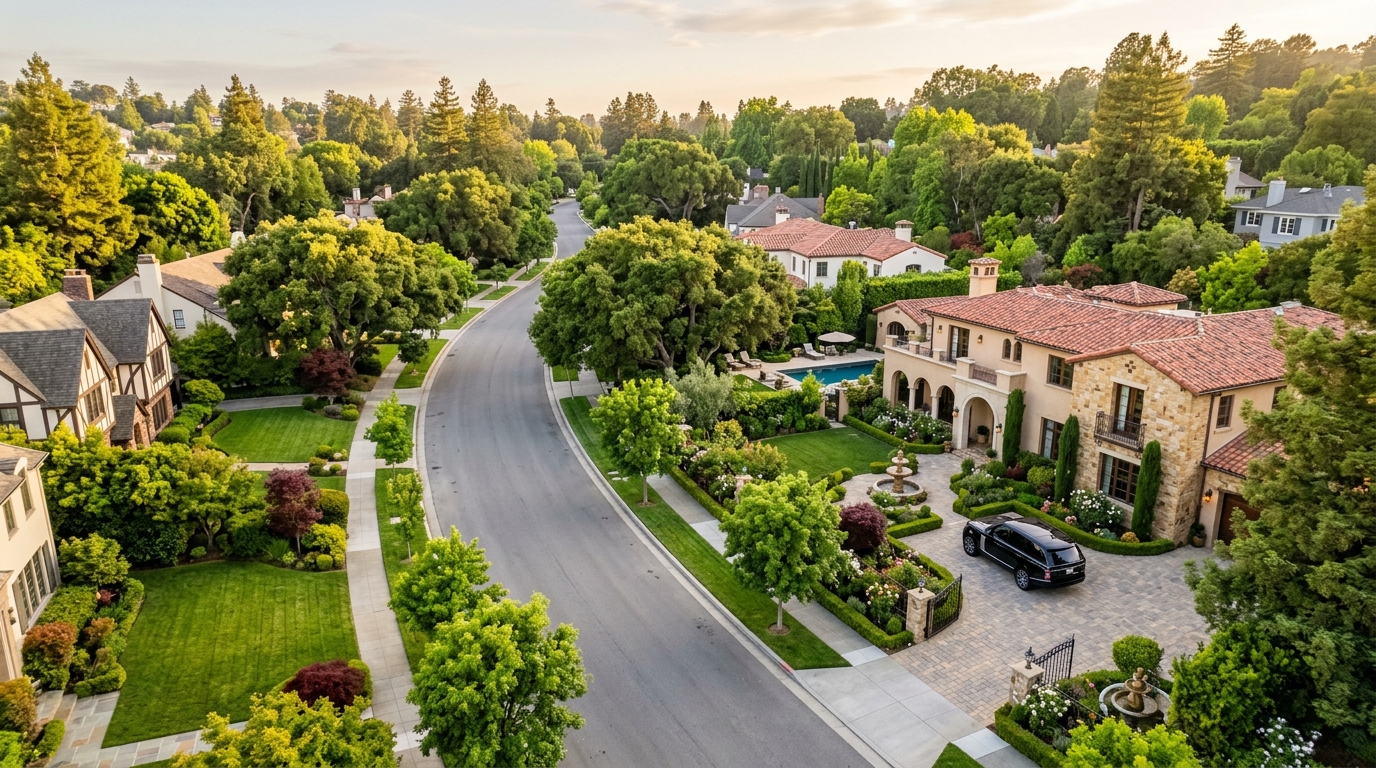
In the hierarchy of luxury real estate, the conventional wisdom has long dictated that value is a direct function of accessibility. Proximity to transit hubs, metropolitan centers, and established commercial arteries has served as the bedrock of price appreciation for decades. However, a subtle yet profound shift is occurring within the portfolios of ultra high net worth individuals. The market is beginning to assign a quantifiable premium to the scarcity of human presence. This transition marks a departure from the traditional metrics of location and toward the valuation of perimeter assets where the primary utility is the strategic mitigation of external noise.
For the sophisticated investor, the concept of seclusion has moved beyond the romantic notion of privacy. It is now a rigorous financial calculation. As urban density increases and digital connectivity renders physical proximity to the office irrelevant, the value of a property is increasingly tied to its ability to function as a self-contained ecosystem. Perimeter assets, defined here as high-value holdings positioned at the edge of developed zones or within protected natural buffers, offer a unique form of hedge. They serve as an insulation layer against the systemic volatility of urban expansion while simultaneously capturing the growing demand for low-density sanctuary.
The mechanics of this valuation shift rely on the inverse relationship between density and long-term capital preservation. When a property is situated in an area where the surrounding land is either geologically constrained or protected by conservation easements, the owner effectively acquires a monopoly on the local atmosphere. Unlike standard developments where value is subject to the whims of municipal zoning changes or the construction of intrusive neighboring projects, the perimeter asset is inherently defensive. The restricted supply of surrounding acreage creates a natural barrier to entry, which sustains property values regardless of broader market fluctuations.
The premium on isolation is a reflection of the scarcity of silence. In an era characterized by constant digital bombardment and the encroachment of suburban sprawl, the ability to control one's immediate environment has become the ultimate luxury commodity. Investors who recognize this are not merely buying a residence. They are acquiring a permanent buffer against the commoditization of space. This creates an asset that is decoupled from the typical cyclical trends of standard residential markets, as the demand for such isolation remains remarkably inelastic among the global elite.
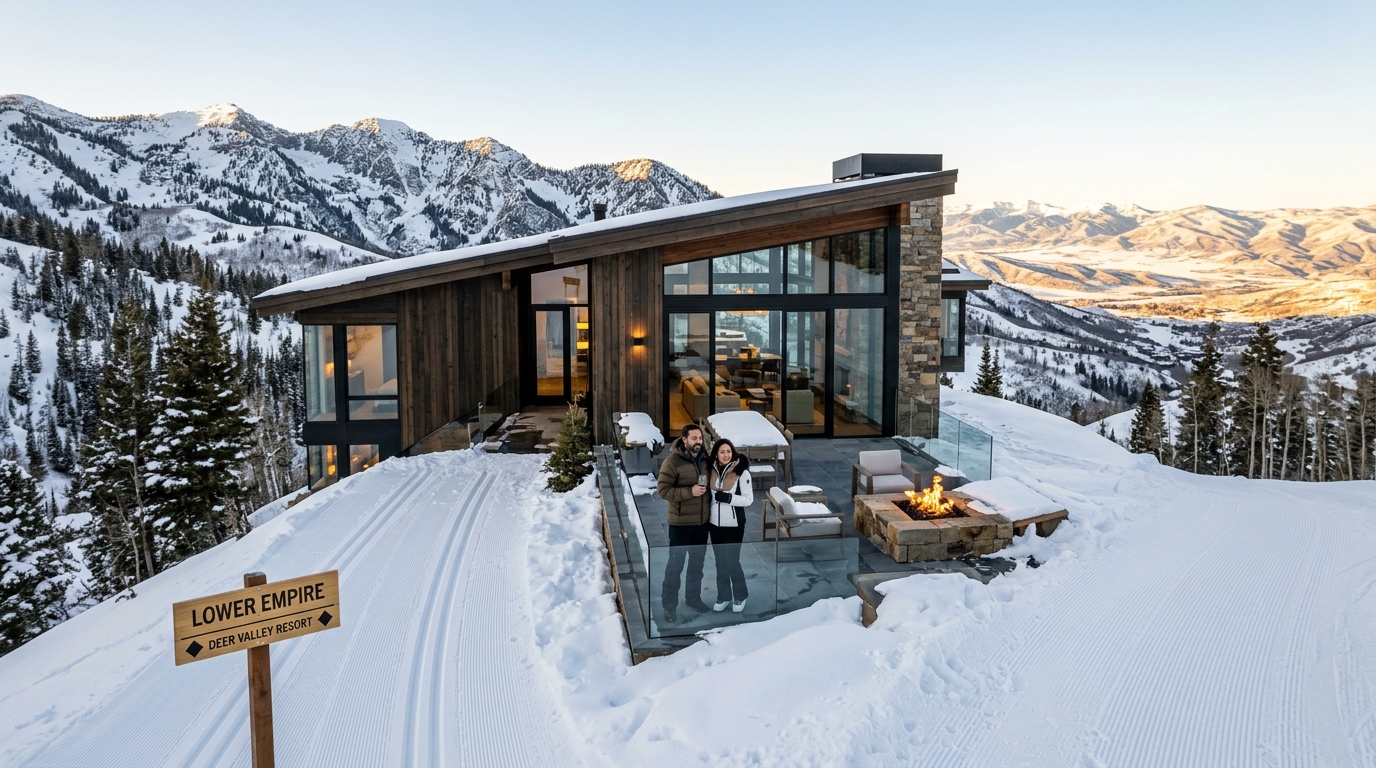
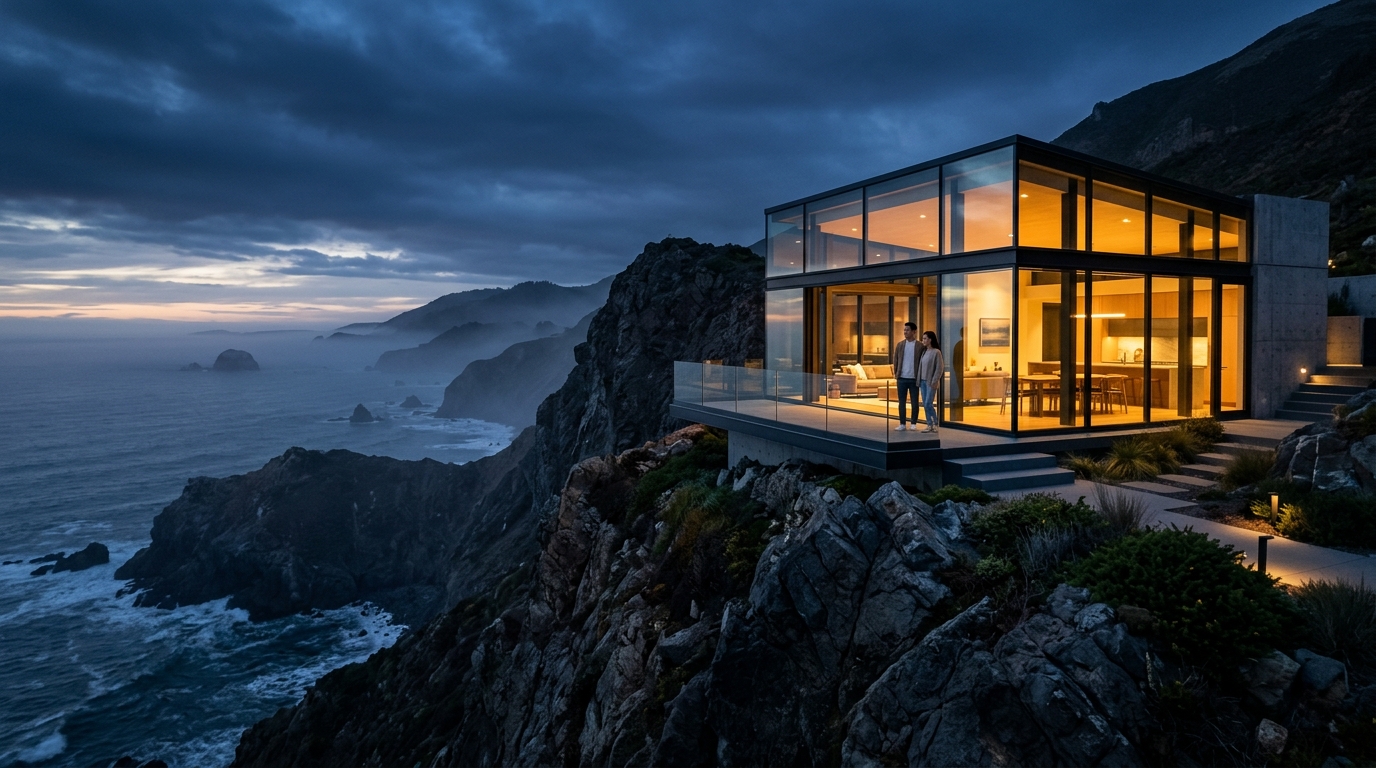
When assessing these properties, one must look past the superficial metrics of square footage and interior finishes. Instead, the analysis should focus on the integrity of the perimeter. This involves evaluating the feasibility of future development within a five-mile radius and assessing the legal mechanisms that govern the adjacent land. An estate that sits adjacent to public forest land or protected coastal shelf carries a different risk profile than one bordered by developable private parcels. The former provides a perpetual guarantee of seclusion, while the latter is subject to the creeping devaluation of encroachment. Savvy investors are increasingly favoring the former, even when it requires a significant initial capital outlay for remote infrastructure.
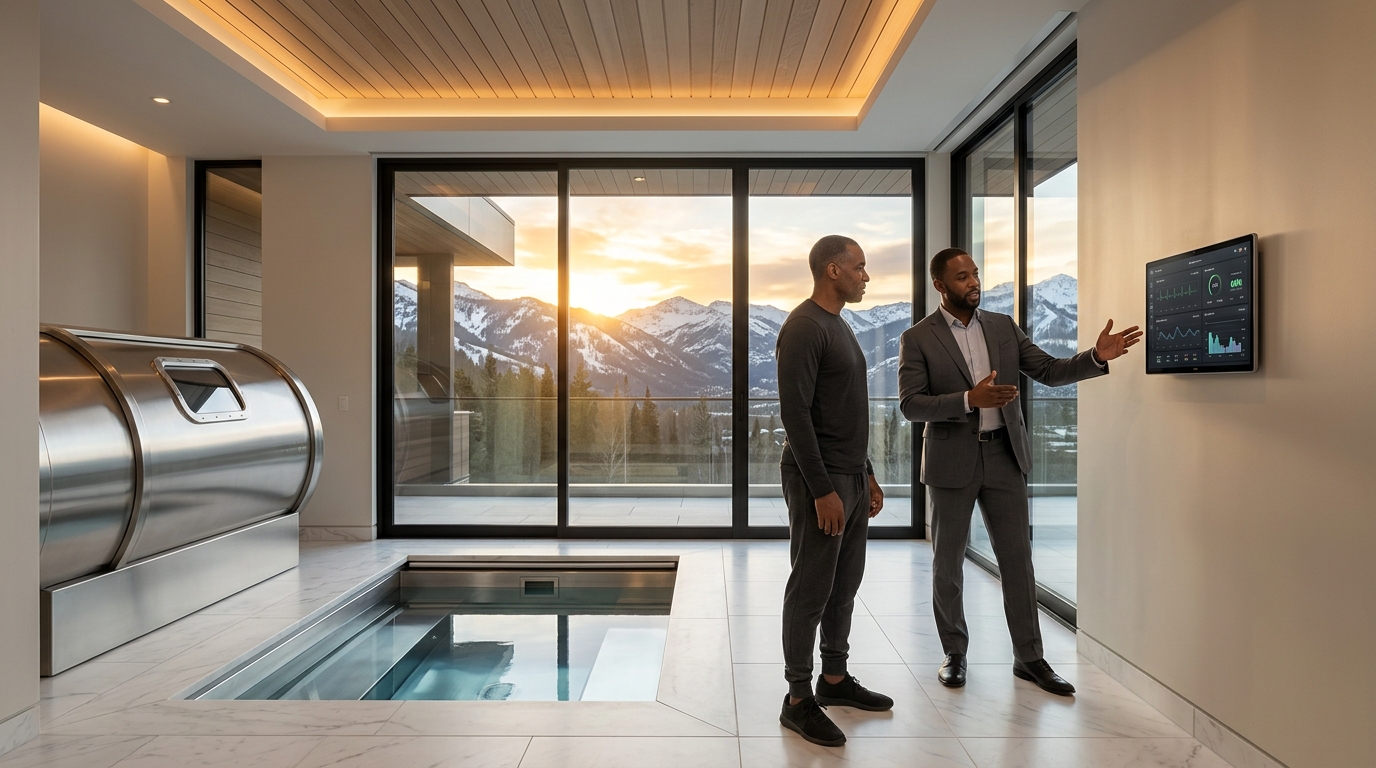
Infrastructure is the silent partner of the perimeter asset. While the location provides the scarcity, the engineered resilience of the property provides the liquidity. A property that is isolated but lacks the capacity for autonomous operation is a liability. True perimeter value is only unlocked when the estate functions independently of external utilities. This includes onsite power generation, sophisticated water management systems, and high-bandwidth satellite communication. When these elements are present, the property transitions from a logistical challenge to a sovereign enclave. This autonomy is what allows the asset to maintain its value in scenarios where grid-dependent properties face significant maintenance and service risks.
Ultimately, the move toward perimeter assets is a calculated response to the saturation of the primary market. As top-tier urban and resort properties become increasingly homogenized, the value of unique, isolated land becomes more pronounced. Investors who prioritize the strategic positioning of their holdings at the boundary of development are positioning themselves to capture long-term appreciation derived from the permanent scarcity of their environment. This is not a speculative play on geography, but rather a structural investment in the enduring human desire for space and autonomy. In a world of increasing density, the most valuable asset is the one that is hardest to reach, yet most difficult to replicate.