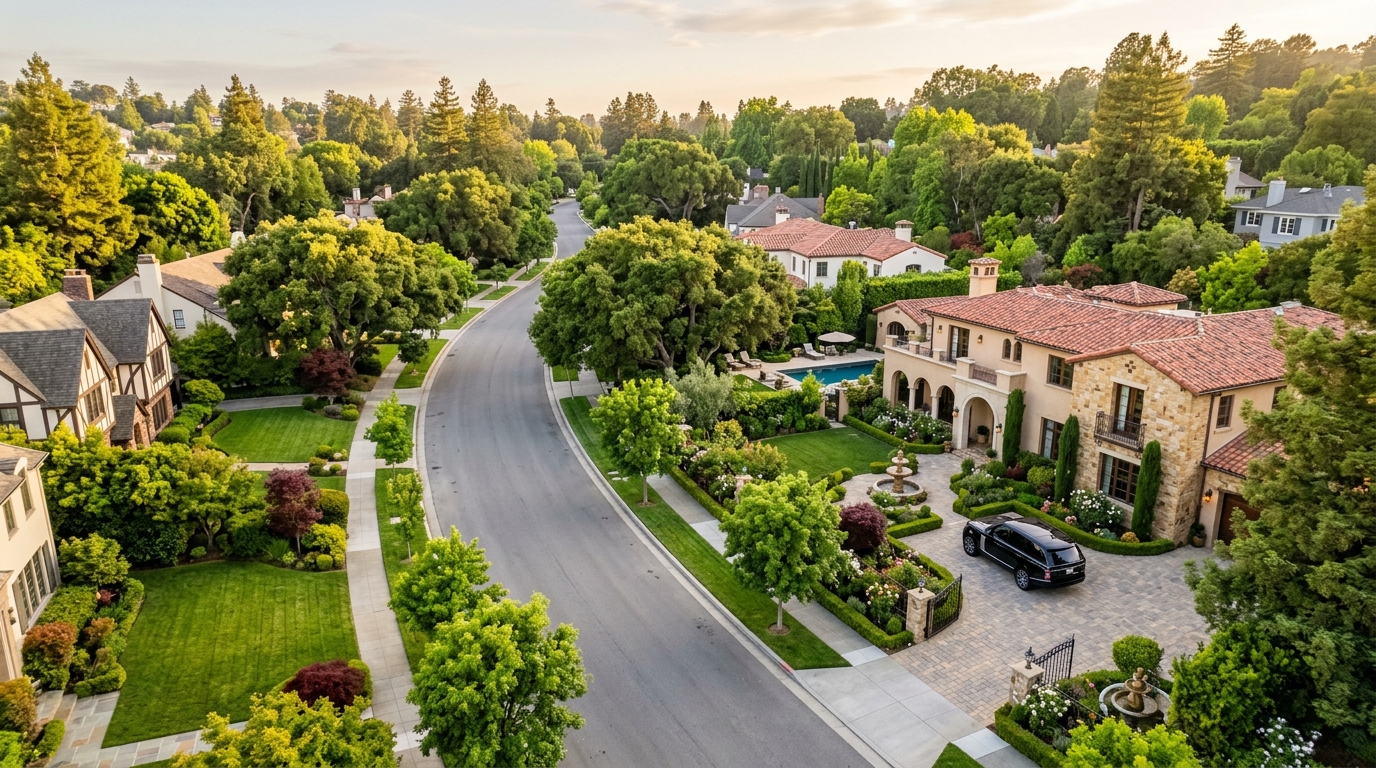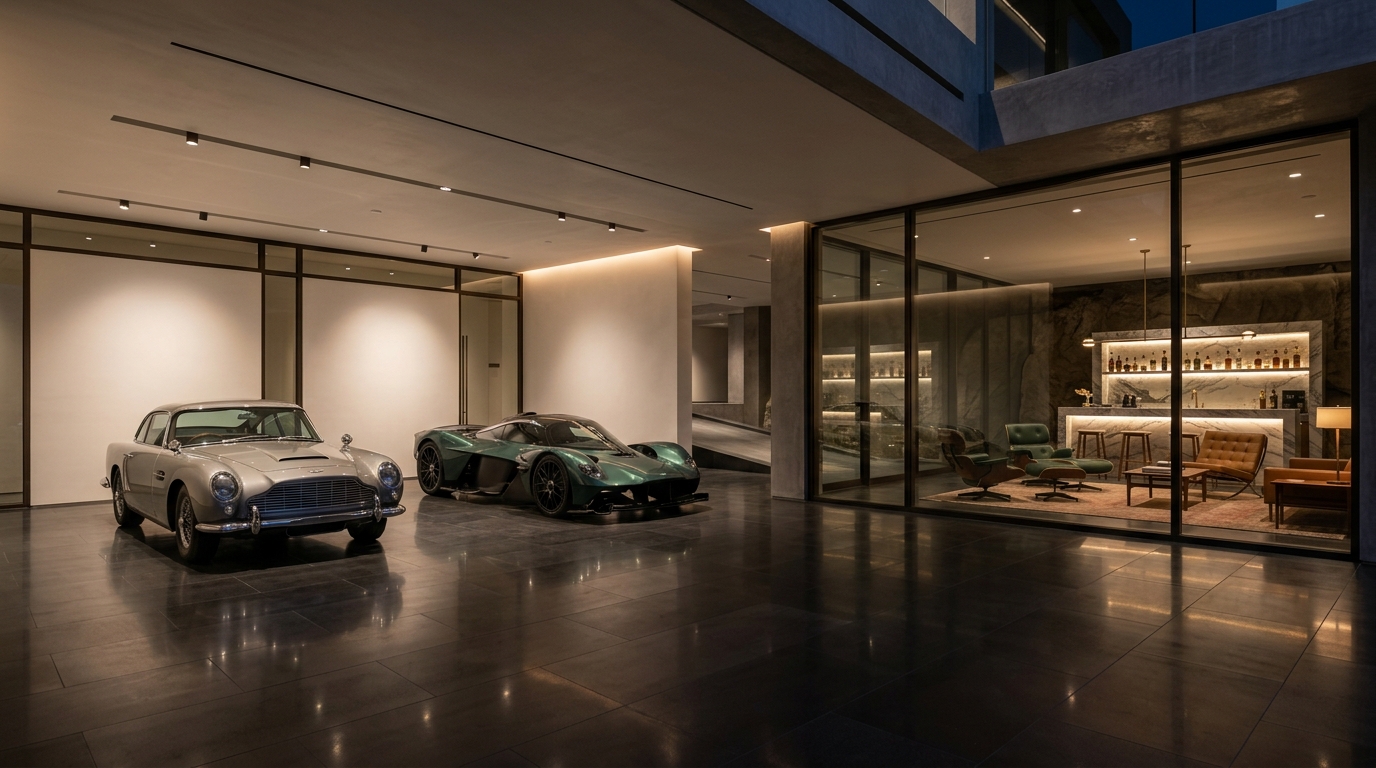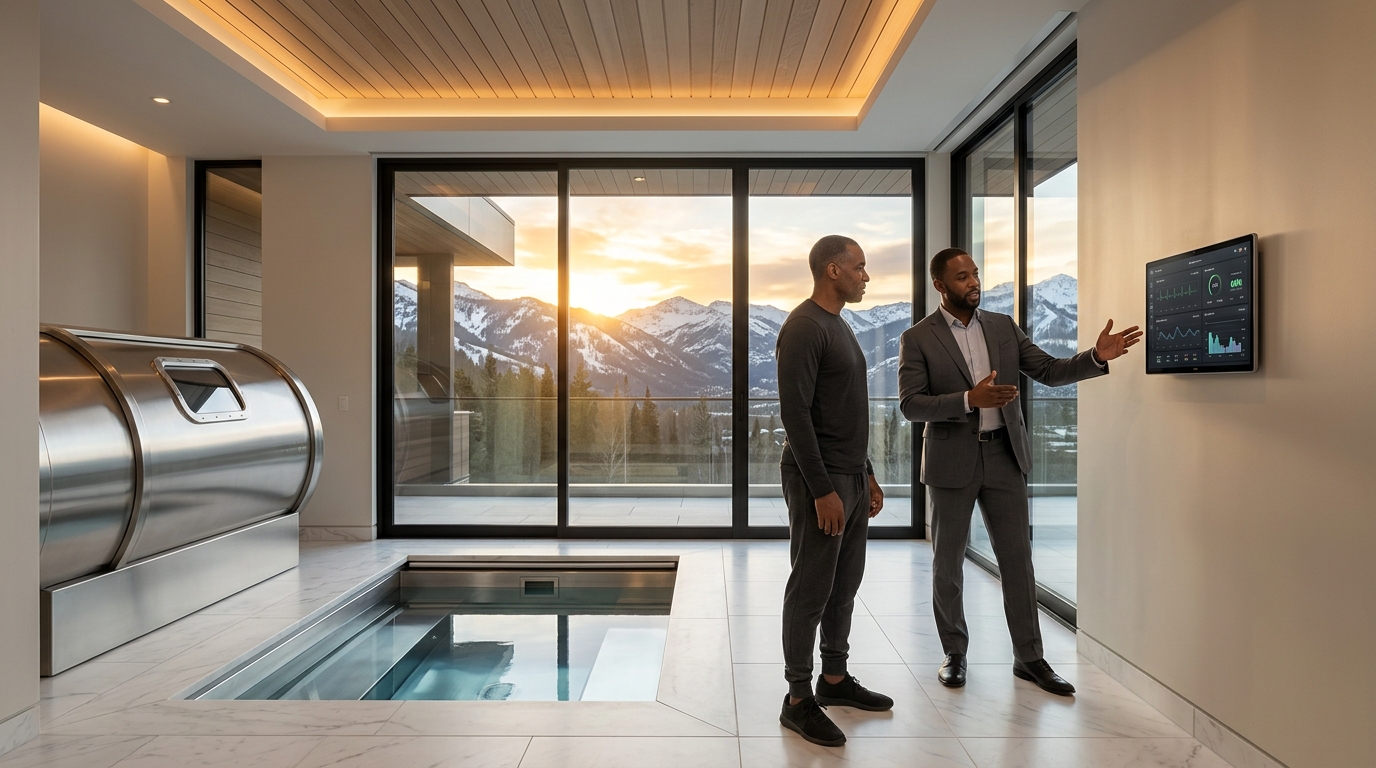
In the rarefied strata of the real estate market, architectural discourse often collapses into a fixation on surface materials and square footage. Buyers scrutinize the provenance of marble slabs and the technical specifications of climate control systems, yet they frequently overlook the most critical determinant of long-term asset performance: the choreography of circulation. The way a residence directs the movement of its inhabitants is the silent arbiter of its utility, its resale velocity, and its status as a foundational investment.
Circulation is the architecture of efficiency. A poorly conceived floor plan forces inhabitants into a series of collisions or inconvenient detours. In a significant estate, such friction is not merely an annoyance; it is a structural failure that erodes the perceived value of the property. When an architect succeeds in mapping the flow of a home, the transition from public gallery to private sanctum feels inevitable rather than forced. This intuitive mapping relies on the principle of axial clarity. By aligning corridors and thresholds with natural sightlines, a designer creates a sense of spatial orientation that reduces the cognitive load of navigating a large-scale residence.
Sophisticated owners understand that the most valuable estates possess a secondary, clandestine network of circulation. The inclusion of discrete paths for service and logistics is the hallmark of true residential maturity. A property that forces the visual intrusion of domestic maintenance into the primary living experience is inherently limited in its ability to facilitate the seamless hosting of events or the maintenance of daily privacy. The integration of service corridors, hidden lifts, and auxiliary staircases acts as a multiplier on the property’s operational utility. When these elements are executed with precision, they remain invisible to the guest while providing the host with a strategic advantage in managing the estate's lifecycle.
The psychology of movement determines the emotional resonance of a space. Entry sequences, in particular, demand a calibrated compression and release. A successful foyer does not merely offer a place to store belongings. It acts as a transitional pressure valve that recalibrates the visitor from the kinetic energy of the exterior world to the static stillness of the interior. If the transition is too abrupt, the residence feels jarring. If it is too diffuse, the home loses its sense of place. The most enduring estates leverage this compression to signal the shift in hierarchy and atmosphere as one moves deeper into the structure.
Consider the placement of staircases and vertical connectors. In speculative developments, these features are often relegated to the darkest corners of the floor plan, treated as necessary evils for navigating multiple levels. In high-value architecture, the staircase is treated as a sculptural anchor that organizes the surrounding rooms. It serves as a visual compass, allowing the inhabitant to understand their position within the vertical volume of the home without needing signage or explanation. This legibility of space is what differentiates a collection of rooms from a cohesive architectural statement.
Investment-grade design prioritizes the adaptability of flow. As luxury lifestyles evolve, the utility of a home must remain elastic. A floor plan that mandates a singular path between rooms is fragile. Conversely, a design that offers multiple, overlapping circulation routes allows for the recontextualization of spaces over time. A parlor might evolve into a library, or an office might transition into a secondary suite, but if the circulation paths remain rigid, these adaptations will always feel like compromises. The most resilient estates are those that treat corridors as flexible arteries rather than static tunnels.
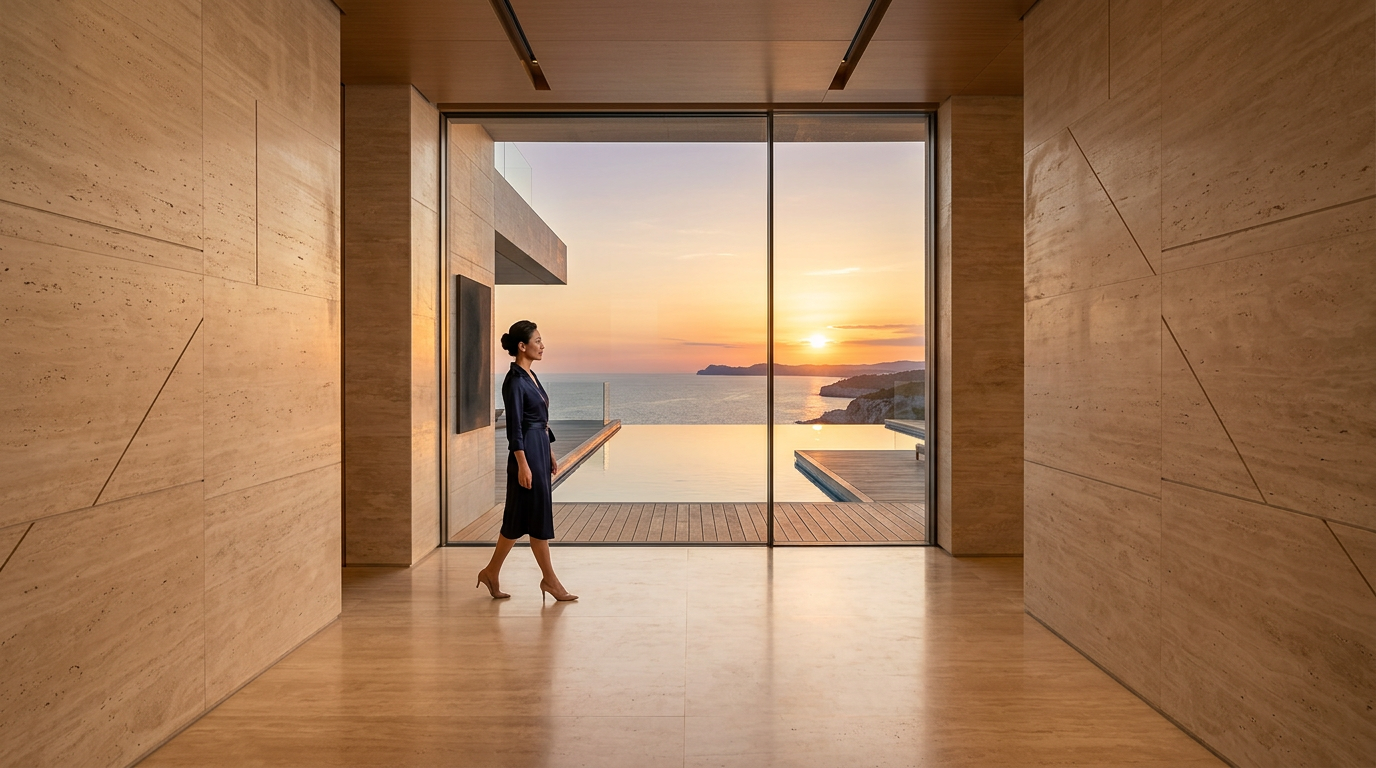
Finally, the interplay between interior and exterior circulation must be scrutinized. The luxury market has shifted toward the dissolution of the boundary between the built environment and the landscape. However, this transition must be managed with extreme discipline. A porch or a terrace should function as an extension of the interior arterial flow, not a destination that requires a departure from the home's logic. By extending the primary axis of a residence into the garden or the cliffside, the architect reinforces the sense of expansion. The estate ceases to be a box and becomes a participant in the geography it occupies. For the discerning buyer, recognizing these patterns of circulation is the difference between acquiring a static asset and securing a home that will maintain its relevance across generations.