In the upper echelons of the real estate market, the traditional metrics of price per square foot and capitalization rates have become secondary indicators. Sophisticated investors now recognize that the true delta between a stagnant asset and a trophy property lies in the accumulation and collateralization of cultural capital. This phenomenon represents the transformation of a physical residence into a node of influence, where the value is derived not from the stone or glass, but from the socioeconomic gravity generated by its inhabitants and its historical narrative.
The mechanics of this valuation shift are rooted in the scarcity of social proximity. For the ultra high net worth investor, the objective is rarely to acquire shelter, but to secure an intersection point within a specific network of power. Properties located in regions where the entry barrier is not merely financial but reputational hold a distinct advantage. When a property acquires a reputation as a nexus for global discourse or industry leadership, it effectively insulates itself from the broader market volatility. The asset ceases to be a commodity and becomes a permanent fixture of a private institutional landscape.
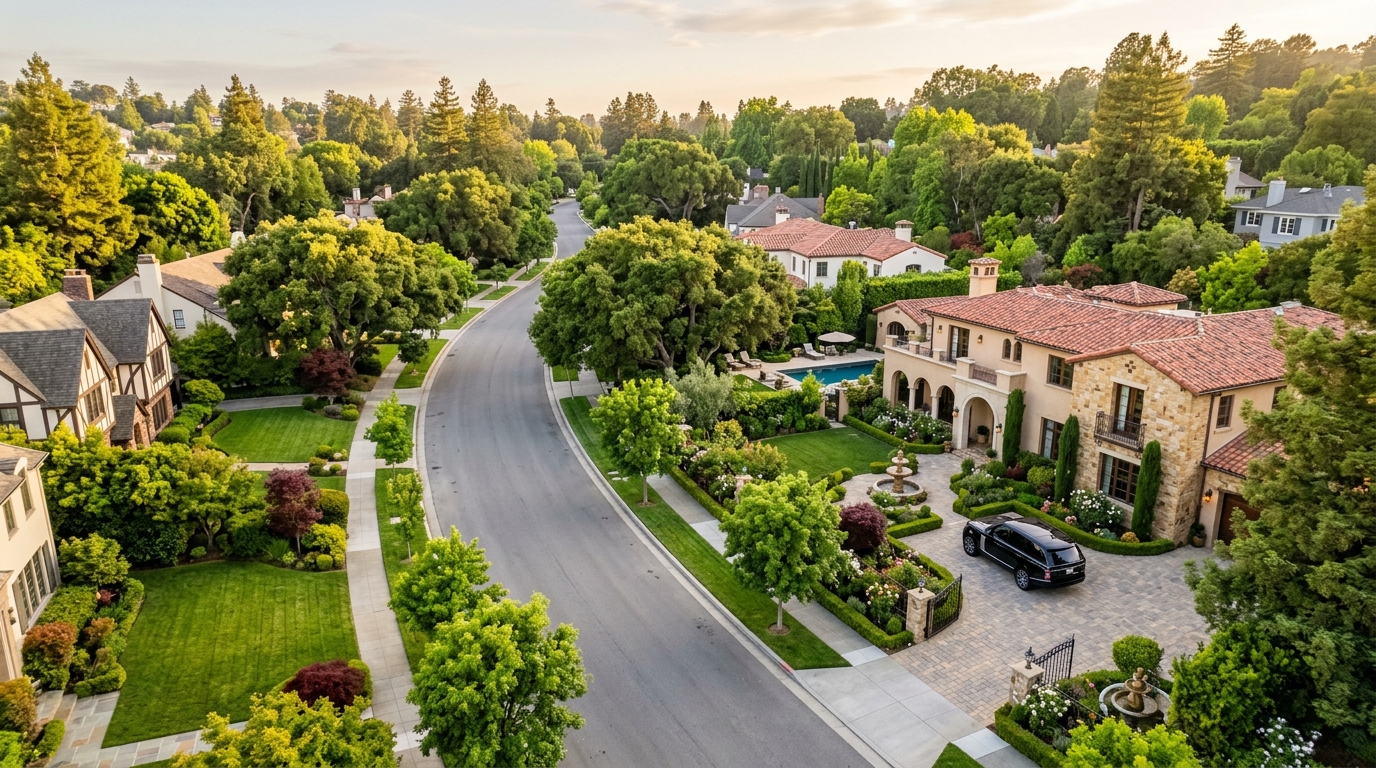
The premium on institutional provenance is often misunderstood as simple prestige. In reality, it is a risk mitigation strategy. Assets that are inextricably linked to a specific cultural or intellectual cohort benefit from a self-regulating ecosystem. When owners of significant influence cluster within a defined geography, they create a defensive moat around the local market. This collective investment in the neighborhood's standards, security, and aesthetic integrity ensures that the property retains its utility as a platform for social and professional engagement. It is a form of peer-to-peer asset management where the stakeholders possess both the means and the motive to protect their collective interests against external market decay.
Investors must learn to audit the cultural ledger of a potential acquisition with the same rigor applied to a structural inspection. One must evaluate the historical turnover of the property, the nature of the immediate neighbors, and the long term trajectory of the local institutions that anchor the community. If a residence is situated in a vacuum, devoid of a clear socioeconomic identity, it remains perpetually vulnerable to the fluctuations of the broader economy. Conversely, a property that functions as a legacy node within a established community offers a form of non-correlated return that is difficult to replicate through traditional equity markets.
The strategic deployment of capital in these environments requires patience and a disregard for immediate liquidity. Those who attempt to flip such assets typically fail because they do not understand the temporal requirements of cultural appreciation. The value of a property as a tool for cultural influence compounds slowly over decades. It relies on the consistency of the narrative and the stability of the surrounding network. When an investor treats a trophy asset as a transient holding, they fail to integrate into the very ecosystem that provides the property with its defensive premium. The most successful portfolios are those that view the real estate as a multi-generational commitment, allowing the cultural capital to mature alongside the physical asset.
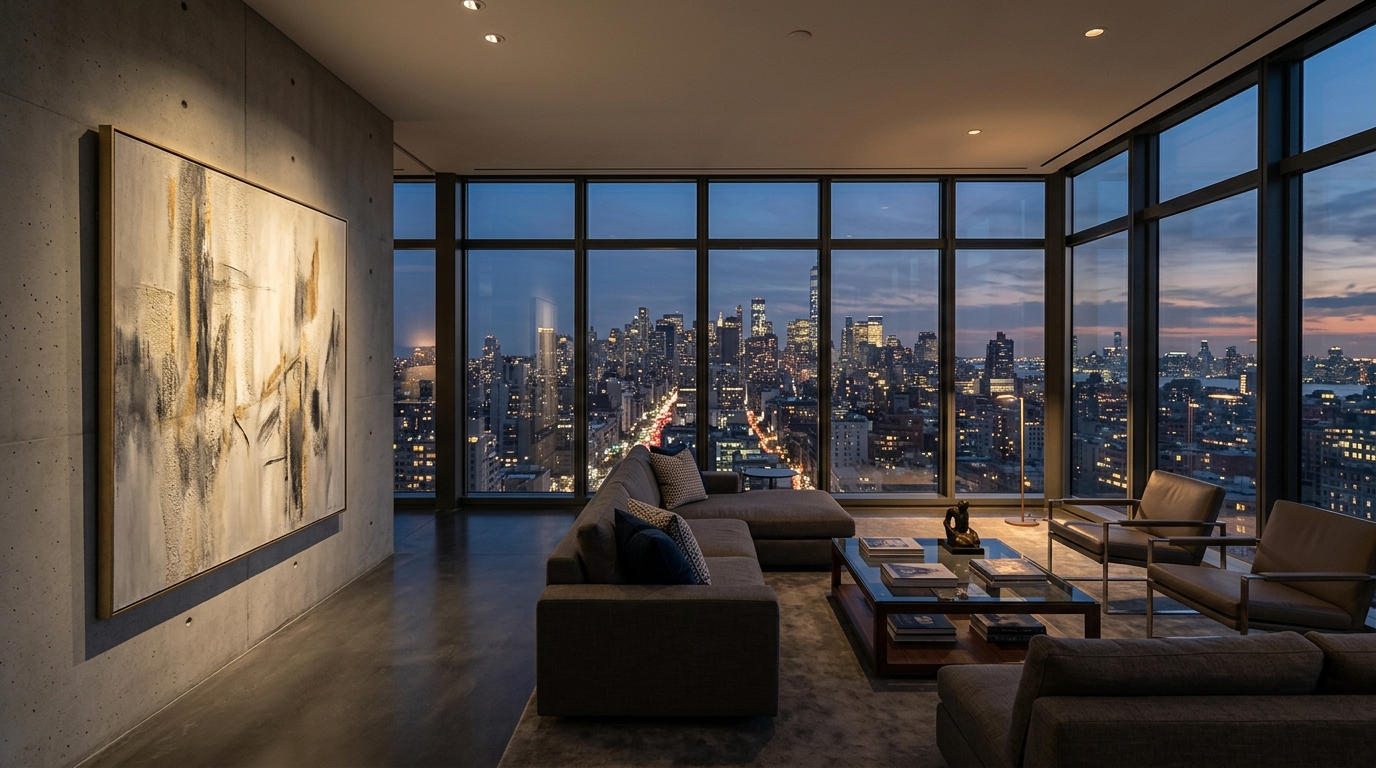
Furthermore, the shift toward remote enterprise has paradoxically increased the value of these physical nodes. In an age of digital omnipresence, the ability to convene in a high trust, high status environment is an increasingly rare commodity. Properties that serve as headquarters for family offices, intellectual salons, or private philanthropic foundations command a valuation multiple that defies standard appraisal models. These assets are valued as essential infrastructure for the maintenance of a legacy. By formalizing the property as a site of institutional gravity, the owner secures a position within the market that is largely immune to the inflationary pressures that threaten more conventional real estate holdings. Ultimately, the discerning investor recognizes that while the market dictates the price of a property, the cultural capital of the enclave dictates its enduring value.