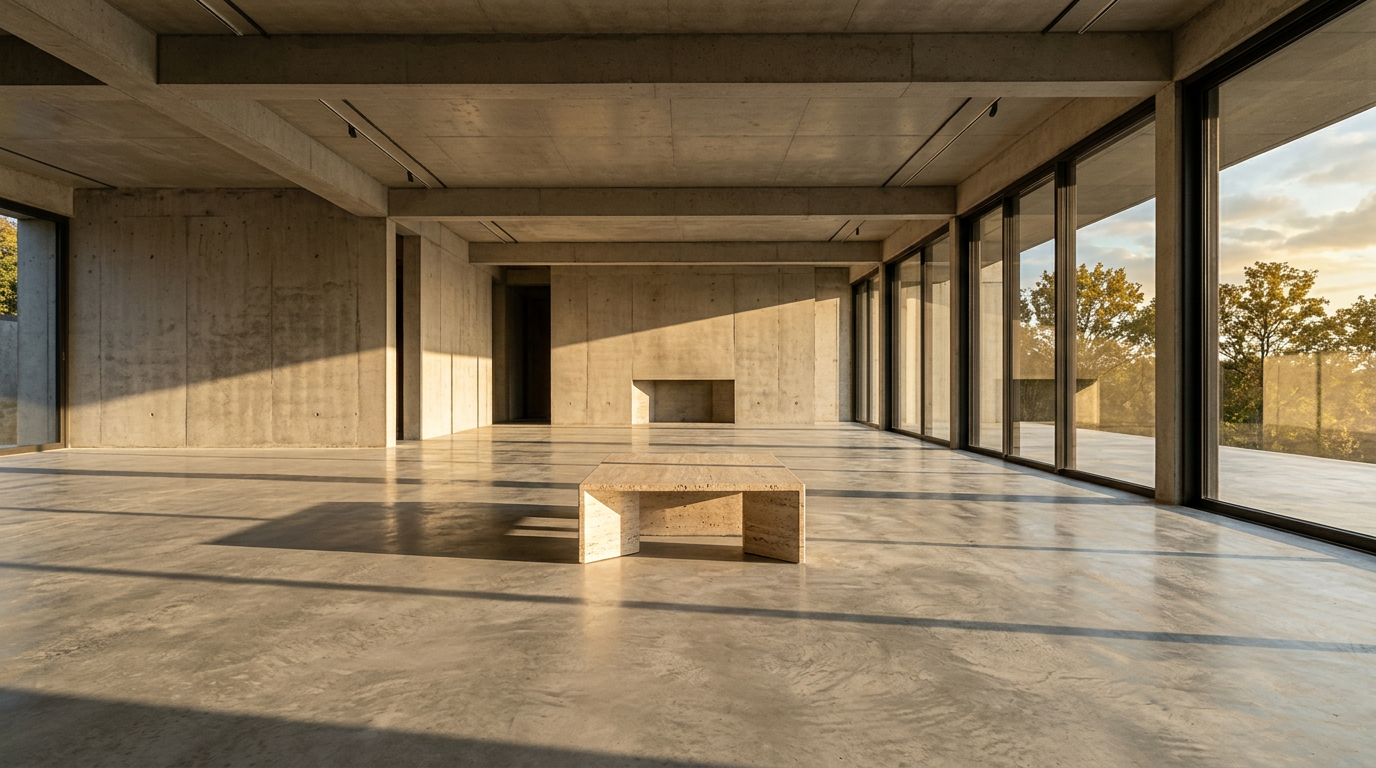
For the ultra-high-net-worth investor, the temptation to maximize every square inch of a luxury footprint is a persistent psychological trap. Developers and homeowners often mistake density for value, assuming that a higher room count or an expanded interior footprint correlates directly with appreciation. However, the most resilient assets in the West Coast and mountain markets often share a counterintuitive trait: a reverence for the void. In high-stakes architecture, the deliberate orchestration of negative space functions not as an empty absence, but as a sophisticated tool for spatial calibration and long-term capital preservation.
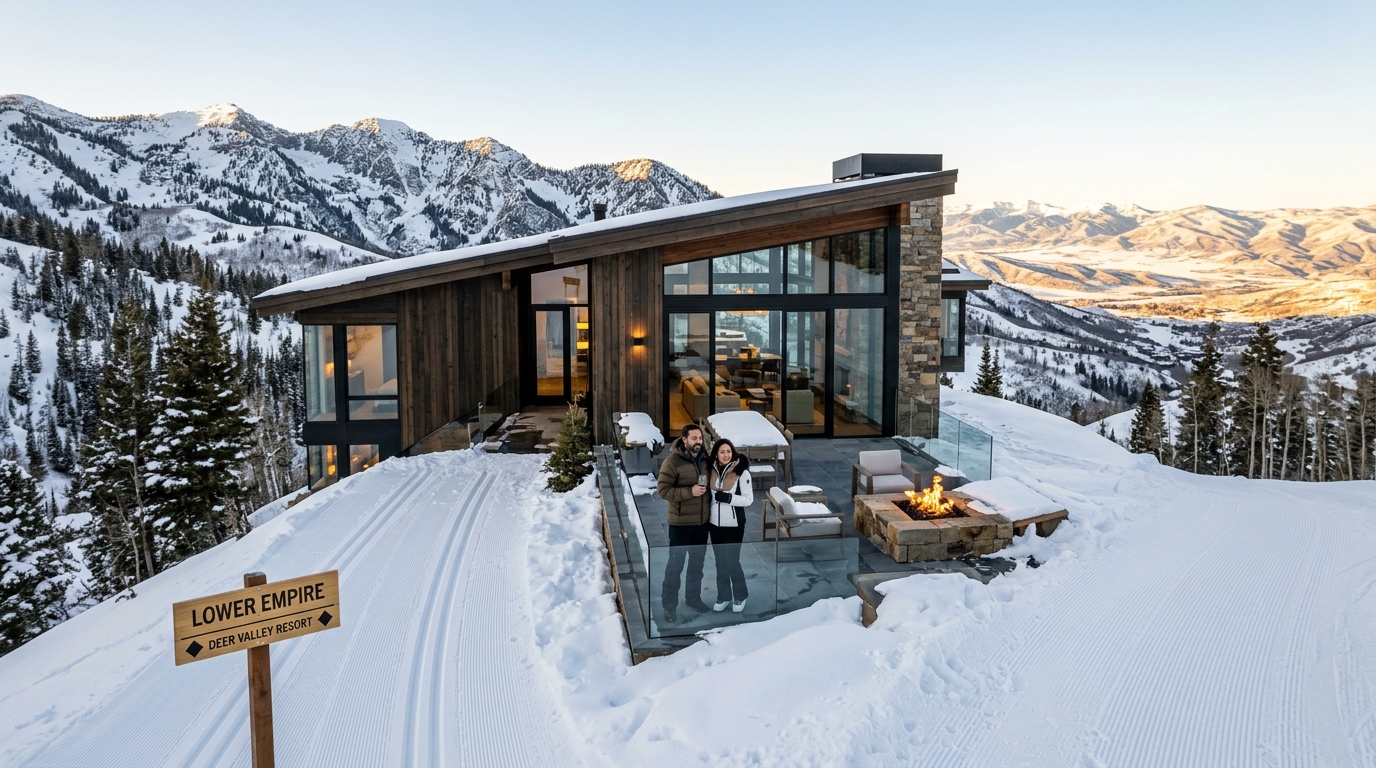
The economic argument for under-development is rooted in the scarcity of perspective. In premium environments, where the primary asset is the land itself, the ability to frame the external environment through the interior is paramount. When an architect over-saturates a floor plan, they inadvertently sever the connection between the inhabitant and the horizon. By contrast, projects that prioritize large, unprogrammed volumes of space allow the architecture to breathe. These voids act as a buffer, ensuring that the primary living areas retain their gravitas. This is not merely an aesthetic choice, but a strategic decision to prevent the interior from feeling claustrophobic or dated as design trends shift toward more open, flexible living arrangements.
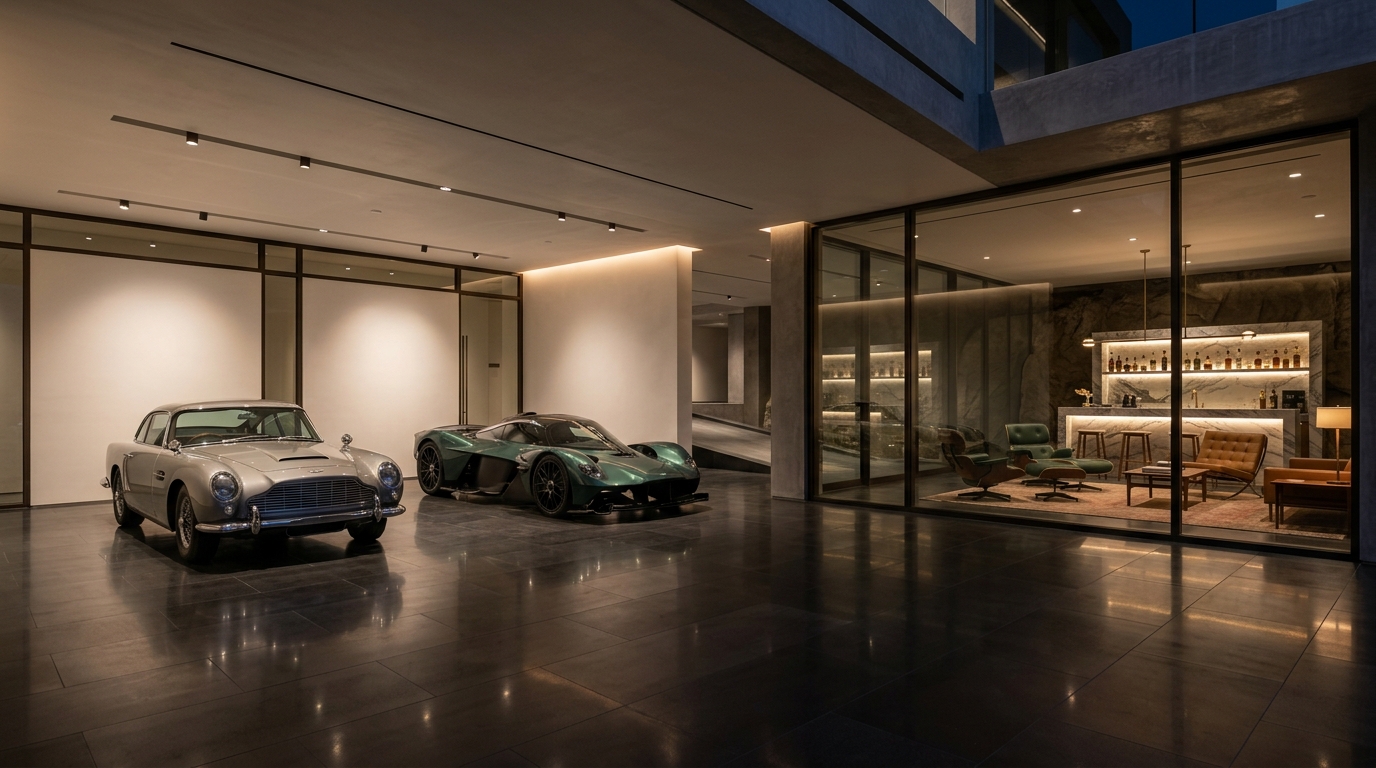
The psychological weight of volume is a tangible commodity. High-net-worth buyers are increasingly seeking environments that provide a sense of mental decompression. A property that utilizes double-height volumes or expansive, uncluttered corridors offers a sensory respite that cannot be replicated by finished surfaces or high-end appliances. In the hierarchy of luxury amenities, the ability to move through an estate without feeling confined by walls or cabinetry is the true mark of a refined floor plan. When we analyze assets that hold their value across decades, we consistently find that they are not the ones with the most rooms, but the ones with the most intentional air.
Structural integrity meets spatial philosophy when negative space is used to dictate the social flow of a residence. By creating purposeful gaps between public and private wings, architects can imbue an estate with a sense of ceremony that is entirely absent in dense, compact designs. This separation ensures that the scale of the home remains human-centric, even within massive square footage. The void acts as a transitionary period, allowing the occupant to shift from the social demands of a formal living area to the sanctuary of a master suite. This deliberate pacing is often the missing ingredient in speculative projects that prioritize a laundry list of rooms over the experience of living within them.
The liquidity of space also comes down to the buyer’s ability to project their own desires onto a property. An over-designed room, cluttered with bespoke cabinetry or hyper-specific architectural features, dictates how the owner must live. Conversely, a room defined by its volume and light, with minimal permanent obstruction, offers a canvas for future iterations. In the secondary market, this flexibility is a major value driver. Sophisticated buyers are wary of properties that require significant demolition to achieve a clean aesthetic. By investing in the preservation of negative space, the original developer or owner builds a structure that is inherently more adaptable to the evolving requirements of the elite demographic.
True luxury is found in the restraint of volume. As market dynamics shift toward sustainability and holistic wellness, the demand for properties that do not feel over-built will only intensify. The value of an estate is no longer calculated by the total sum of its enclosed parts, but by the quality of the atmosphere it creates. Those who understand that the most expensive element in a luxury home is often the nothingness between the walls will continue to command the highest premiums in the market. In the final analysis, negative space is the ultimate luxury, for it is the only feature that cannot be commodified, copied, or easily reconstructed once the building process is complete. It is the silent, expansive heartbeat of the modern estate, providing a sense of permanence in a world that is otherwise increasingly crowded.