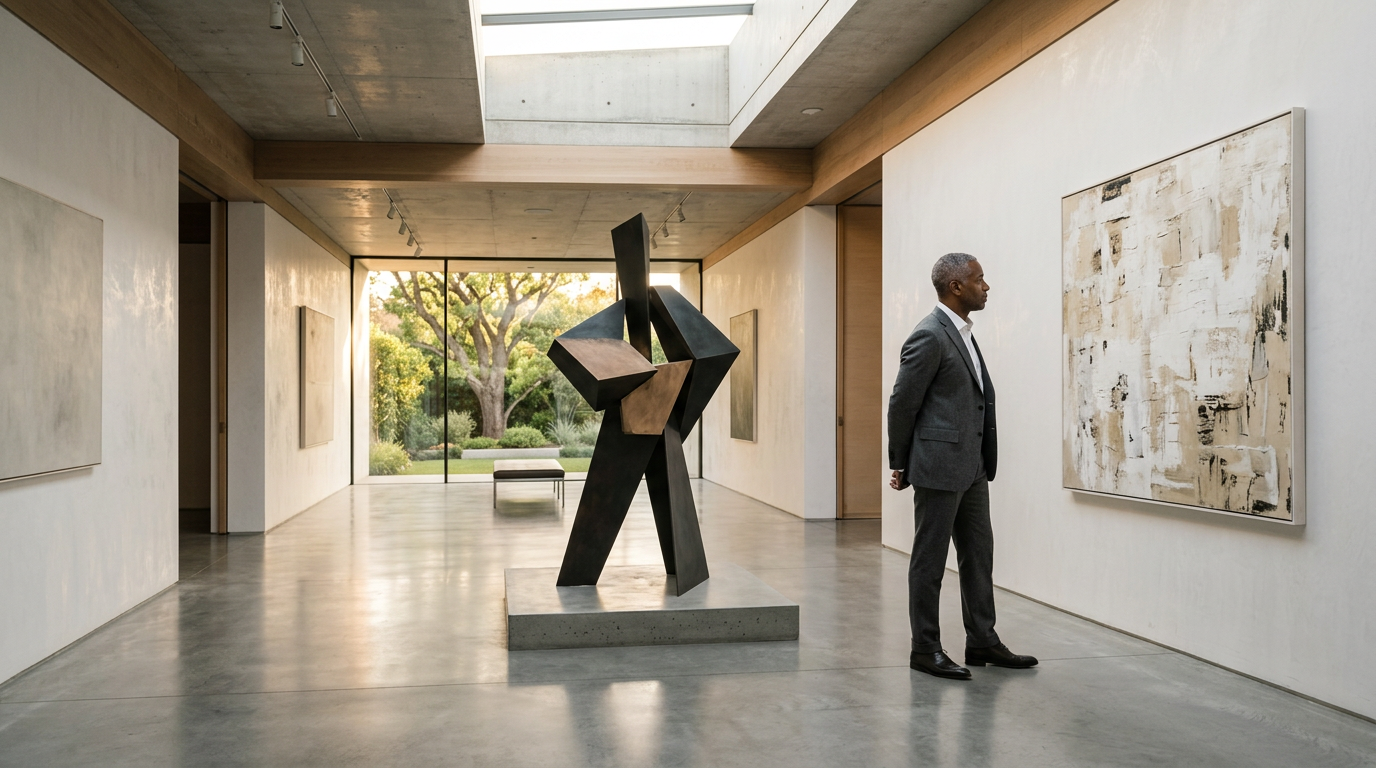
For the discerning collector, the residential estate serves as the ultimate vessel for cultural capital. However, the intersection of high-value art acquisition and residential architecture frequently results in a conflict of priorities. When a property is treated merely as a container for objects, the integrity of the space suffers. Conversely, when architecture dominates the visual field, the collection becomes a secondary concern. True mastery in this niche requires an approach that treats the residence as a curated gallery, where the structural, lighting, and humidity requirements of the art dictate the life of the home.
The primary challenge for the collector is the mitigation of environmental degradation. Fine art is perpetually in a state of decay, accelerated by improper light exposure, fluctuating humidity, and particulate matter. In the modern estate, the reliance on passive climate systems is insufficient. Sophisticated owners must prioritize the installation of dedicated, museum-grade atmospheric controls that operate independently of the residential HVAC. This creates a stable micro-climate for the collection, ensuring that pigments, canvases, and sculptures remain uncompromised by the daily cycles of human occupation. The luxury here is not in the system itself, but in the invisibility of the preservation technology.
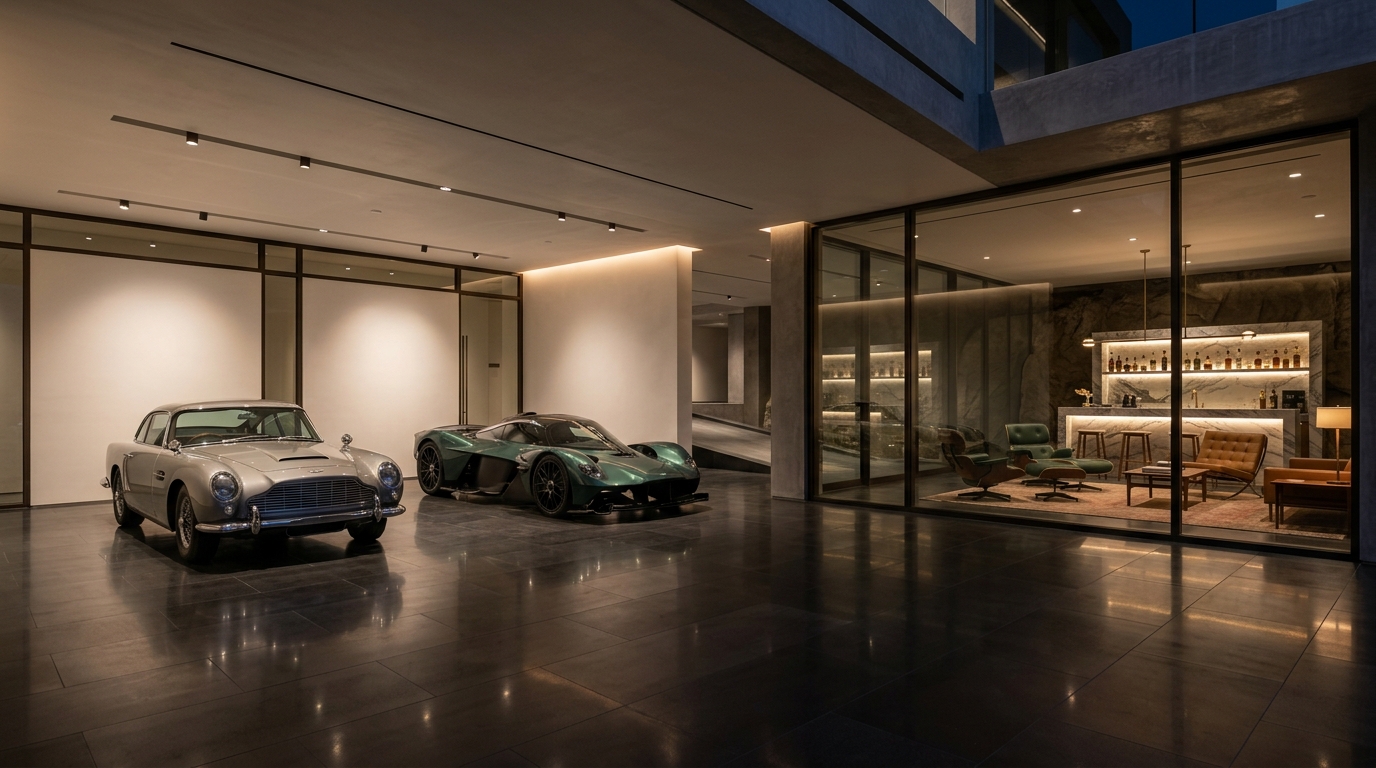
Beyond atmospheric stability, the strategic deployment of light remains the most misunderstood aspect of estate curation. While natural light is often touted as a premium feature in real estate, it is the natural enemy of long-term provenance. Ultraviolet radiation and high-intensity visible light cause irreversible damage to sensitive media. The solution lies in the engineering of light-filtering apertures and the integration of automated, high-CRI lighting systems that emulate the spectrum of daylight without the destructive energy. By controlling the light, the owner exerts control over the visual narrative of the space, allowing for a dynamic environment that shifts from daylight utility to evening exhibition.
Spatial flow is the secondary pillar of the gallery estate. Traditional residential floor plans are designed for circulation, whereas gallery spaces are designed for contemplation. The most successful estates adopt a hybrid model, utilizing transition zones to reset the viewer's visual threshold. These thresholds act as psychological buffers, allowing the occupant to move from the domestic utility of a kitchen or study into a space dedicated to the aesthetic experience. This separation is vital for maintaining the sanctity of the collection, as it prevents the homogenization of the home where art becomes mere wallpaper.
There is also the matter of structural load and seismic consideration. Significant sculptures and large-scale installations often exceed the load-bearing requirements of standard residential construction. The infrastructure must be reinforced during the planning phase to accommodate the weight of bronze, stone, or heavy steel. Furthermore, in regions prone to seismic activity, the integration of kinetic isolation bases is essential. These platforms decouple the artwork from the structural vibration of the building, providing a layer of protection that is often overlooked until a catastrophic event occurs. Addressing these requirements post-construction is prohibitively expensive and often aesthetically intrusive.
The ultimate luxury is the ability to rotate the collection without structural compromise. This necessitates a flexible hanging system integrated into the architecture itself, such as concealed track lighting and modular wall panels that can be reconfigured without the need for drywall repair or paint. This agility allows the estate to evolve alongside the collection, preventing the space from becoming a static tomb of past acquisitions. It keeps the environment vibrant and responsive to the owner's shifting tastes.
Ultimately, the private gallery estate is a commitment to stewardship. It requires the owner to act as a temporary custodian of cultural assets, ensuring their protection through rigorous engineering and thoughtful design. When executed with precision, the residence ceases to be a mere dwelling and becomes a living repository of human endeavor. This is the apex of luxury, where the built environment serves the art, and the art defines the meaning of the home.