
In the upper echelons of the luxury real estate market, investors often fall victim to the fallacy of singular utility. They purchase properties defined by bespoke architectural choices that reflect a specific, highly personalized lifestyle. While these estates serve the immediate desires of the buyer, they frequently become fiscal anchors when the time comes to divest. The most sophisticated investors understand that long-term wealth preservation is inextricably linked to the concept of asset fungibility, or the ease with which a property can be reconfigured or repurposed for a broader demographic of future buyers.
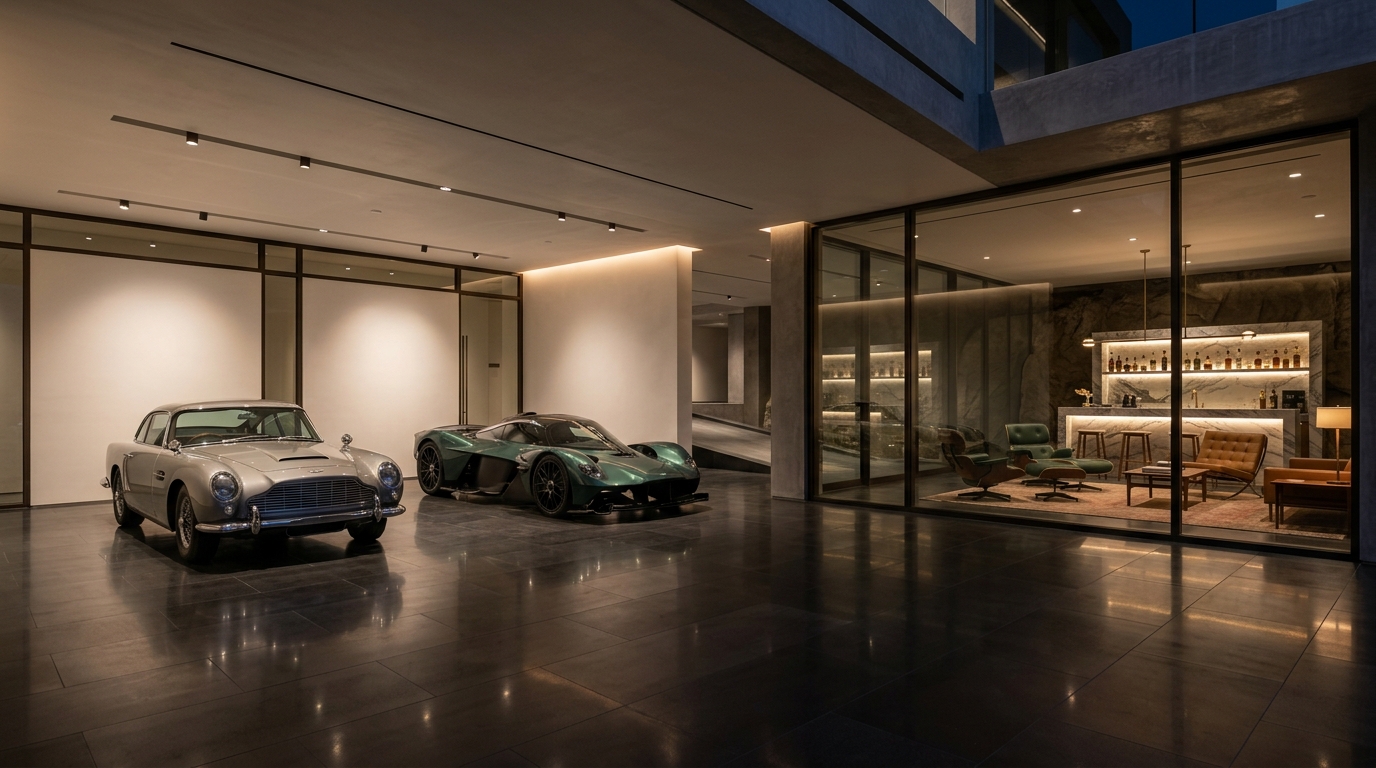
Fungibility is the silent driver of resale velocity. When an estate is designed with idiosyncratic features, such as custom-built recording studios, sprawling, non-standardized gallery spaces, or highly specialized hobby rooms, it effectively shrinks the pool of potential successors. A property that cannot be easily returned to a neutral, high-demand state is an asset that loses its liquidity profile the moment the keys change hands. To maintain an exit strategy that remains robust across decades, one must prioritize the adaptability of interior volumes over the rigid permanence of hyper-specific interior build-outs.
The structural geometry of a property dictates its future utility. Investors should favor floor plans that allow for the seamless transition of space. A primary suite that can be expanded into an adjacent bedroom without invasive structural work, or a formal dining room that functions with equal efficacy as a high-end home office or a curated media lounge, represents a superior investment. This is not about choosing bland aesthetics. It is about architectural modularity. The goal is to provide a blank, albeit luxurious, canvas that acknowledges the shifting requirements of the next generation of wealth, which may prioritize different functional needs than the current owner.
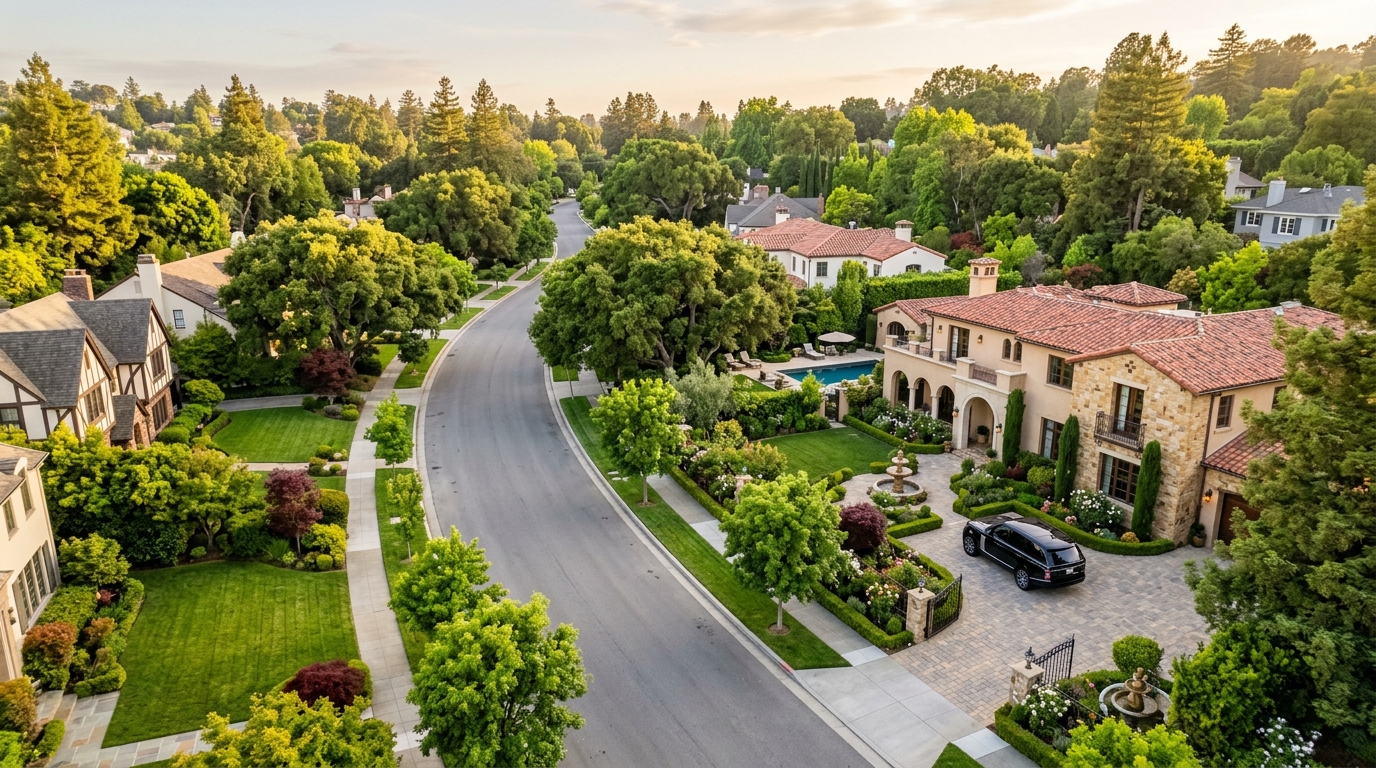
Consider the site utility of the parcel itself. Many trophy properties are burdened by landscaping or exterior hardscaping that prohibits future expansion or recreational re-zoning. A garden designed with permanent, immovable structures, such as elaborate stone fountains or heavy masonry walls, limits the ability of a subsequent owner to install a pool, a pavilion, or a tennis court. When an asset lacks the physical flexibility to accommodate these common luxury-market expectations, it faces a significant discount upon exit. True foresight involves purchasing land that offers multiple configurations for exterior use. If the site is locked into a single layout that cannot be undone without a major capital expenditure, the seller has effectively inherited the liability of that rigidity.
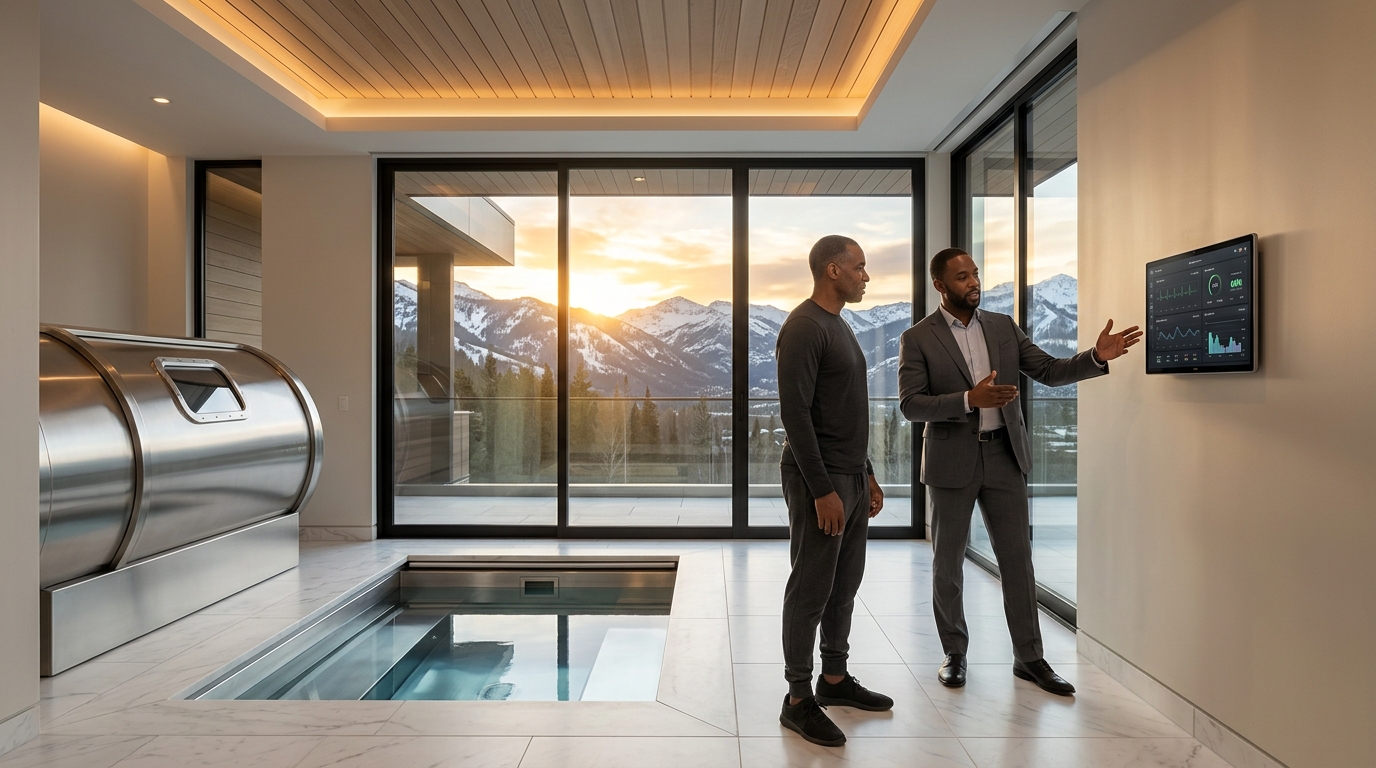
The integration of mechanical systems also plays a critical role in maintaining an asset's fungible nature. Properties that utilize proprietary, closed-loop smart home systems often become obsolete as technology advances, creating a paradox where the most expensive estates become the most difficult to modernize. Investors should advocate for open-protocol infrastructure that allows for modular upgrades. When a buyer realizes they must gut the walls to replace an outdated central nervous system, they will discount their offer accordingly. By prioritizing universal, scalable systems, the asset remains current without requiring a total overhaul, thereby preserving its relative market position.
The exit, in a sense, begins at the point of acquisition. Every structural decision made during the holding period should be viewed through the lens of market appeal. If a renovation adds value to your personal lifestyle but introduces a permanent obstacle to a future sale, it is a net-negative for the investment. This is the distinction between a consumption-based purchase and a capital-preservation strategy. The former seeks immediate personal gratification, while the latter seeks to maximize the property's utility for the widest possible range of future high-net-worth participants.
Ultimately, the objective is to hold an asset that is perpetually ready for the market. By avoiding the trap of hyper-specialization, the investor ensures that the property remains a liquid instrument. When the time comes to transact, the properties that perform best are those that offer the most potential to the next buyer. Versatility is the ultimate hedge against market volatility, ensuring that your real estate portfolio remains a dynamic component of your wealth rather than a static, immovable burden.