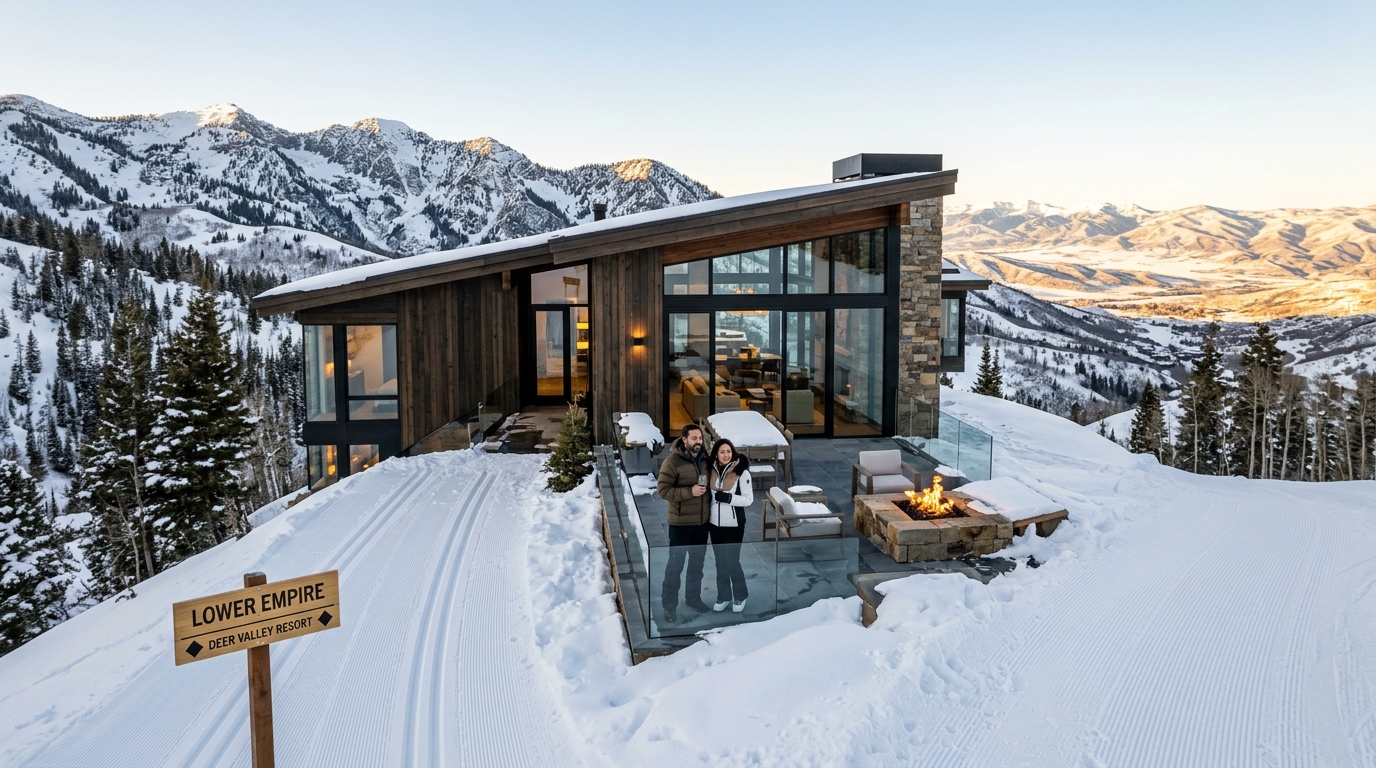
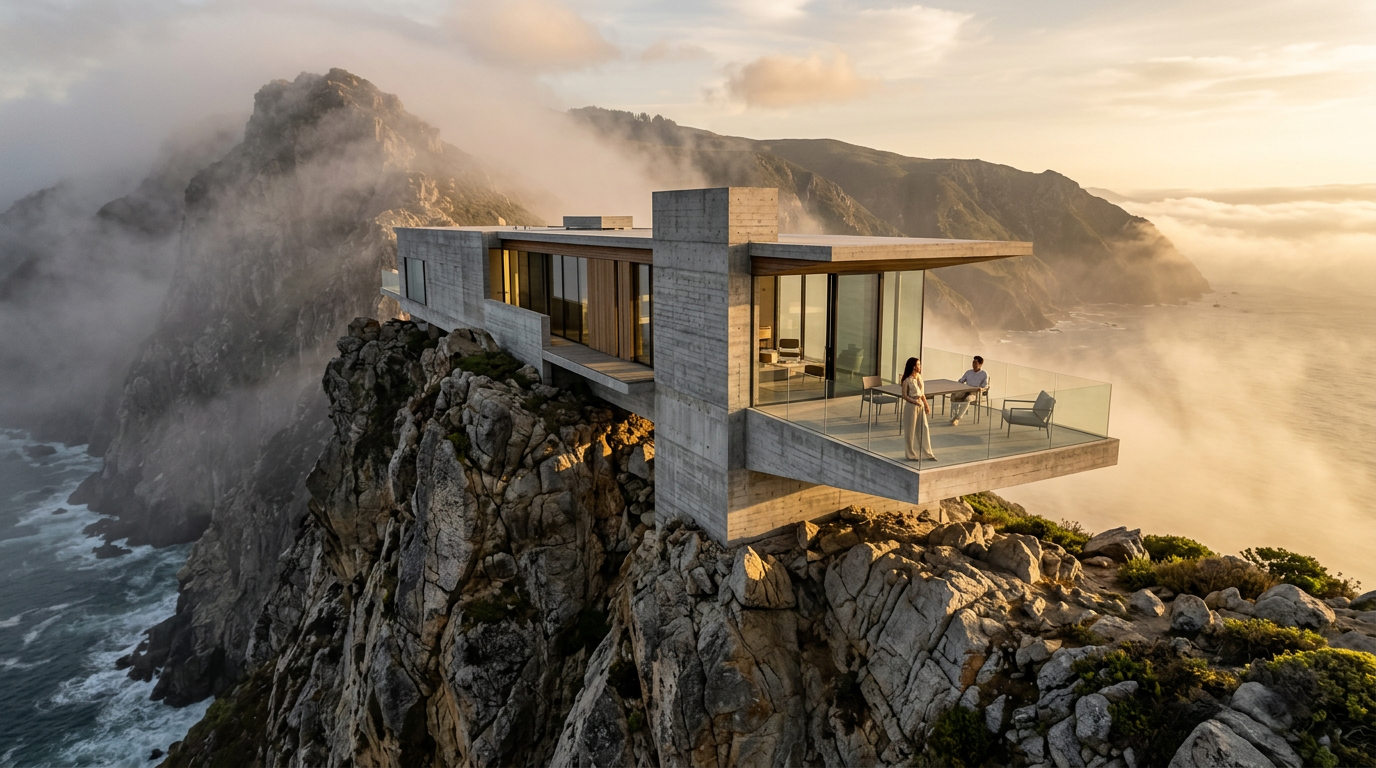
In the rarefied strata of high-value real estate, the traditional metrics of price-per-square-foot have become increasingly reductive. Sophisticated capital allocators are pivoting away from the horizontal dimensions of lot size and toward the structural implications of topography. This shift reflects a maturing understanding of the landscape as a primary asset class that dictates the longevity and functional utility of the improvements built upon it. When assessing an acquisition in the West, the slope, orientation, and geological composition of the site are no longer merely aesthetic considerations. They represent the fundamental constraints on long-term capital deployment.
Topographical scarcity serves as the final, absolute barrier to supply expansion. While developers can subdivide parcels and architects can innovate within existing footprints, they cannot manufacture site-specific geomorphology. The scarcity of buildable, gravity-defying terrain in regions characterized by dramatic elevation change creates an inherent floor on valuation. Investors who recognize this reality treat the land as a finite geometry rather than a mere vessel for residential architecture. The inherent value of a property is increasingly decoupled from its finishes and tethered to the defensive positioning provided by the land itself.
The technical evaluation of a site now requires a forensic analysis of sub-surface stabilization and natural drainage patterns. Properties that occupy the nexus of geological stability and panoramic dominance command a premium that transcends market cycles. This is because the engineering costs required to replicate such positioning are often prohibitive, effectively creating a moat around the asset. As climate patterns shift, the ability of a site to manage water runoff and resist soil movement becomes a critical determinant of insurance premiums and future resale viability. Buyers who ignore the hydrological and geological narrative of a property do so at the risk of significant capital degradation.
Furthermore, the vertical orientation of a luxury asset dictates the quality of light and the thermal dynamics of the structure. A property optimized for solar gain and wind-load mitigation requires significantly less ongoing operational expenditure than one fighting its environment. Discerning investors are analyzing the micro-topography of their portfolios to identify which assets are structurally equipped to handle the demands of the next several decades. This is an exercise in risk mitigation. By prioritizing sites with superior geomorphic profiles, owners insulate their holdings from the inevitable costs associated with remedial infrastructure upgrades.
The distinction between a trophy property and a depreciating asset often lies in the sophistication of the site selection. A residence that is merely decorative will eventually succumb to the friction of maintenance and environmental exposure. Conversely, a residence that is anchored to a superior topographical foundation leverages the land to enhance its own structural integrity. This synergy between the built environment and the natural terrain is the hallmark of institutional-grade real estate. It is the difference between purchasing a commodity and securing a permanent stake in a high-demand, non-replicable location.
We are seeing a distinct trend where capital flows toward properties that require minimal intervention to maintain their structural footprint. The most resilient estates are those where the architect has acted as a steward of the existing topography rather than an adversary. This approach minimizes the disturbance of natural soil horizons, ensuring that the property remains stable even under extreme meteorological conditions. In the current environment, the premium placed on these assets is not a reflection of hype, but a calculated response to the necessity of structural permanence. Owners who understand the physics of their landscape are better positioned to weather periods of market cooling because their assets possess an intrinsic value that is immune to shifts in architectural fashion. The geometry of the land is the only constant in an otherwise fluid investment landscape. Those who master this reality will continue to capture the highest tiers of value in the years to come.