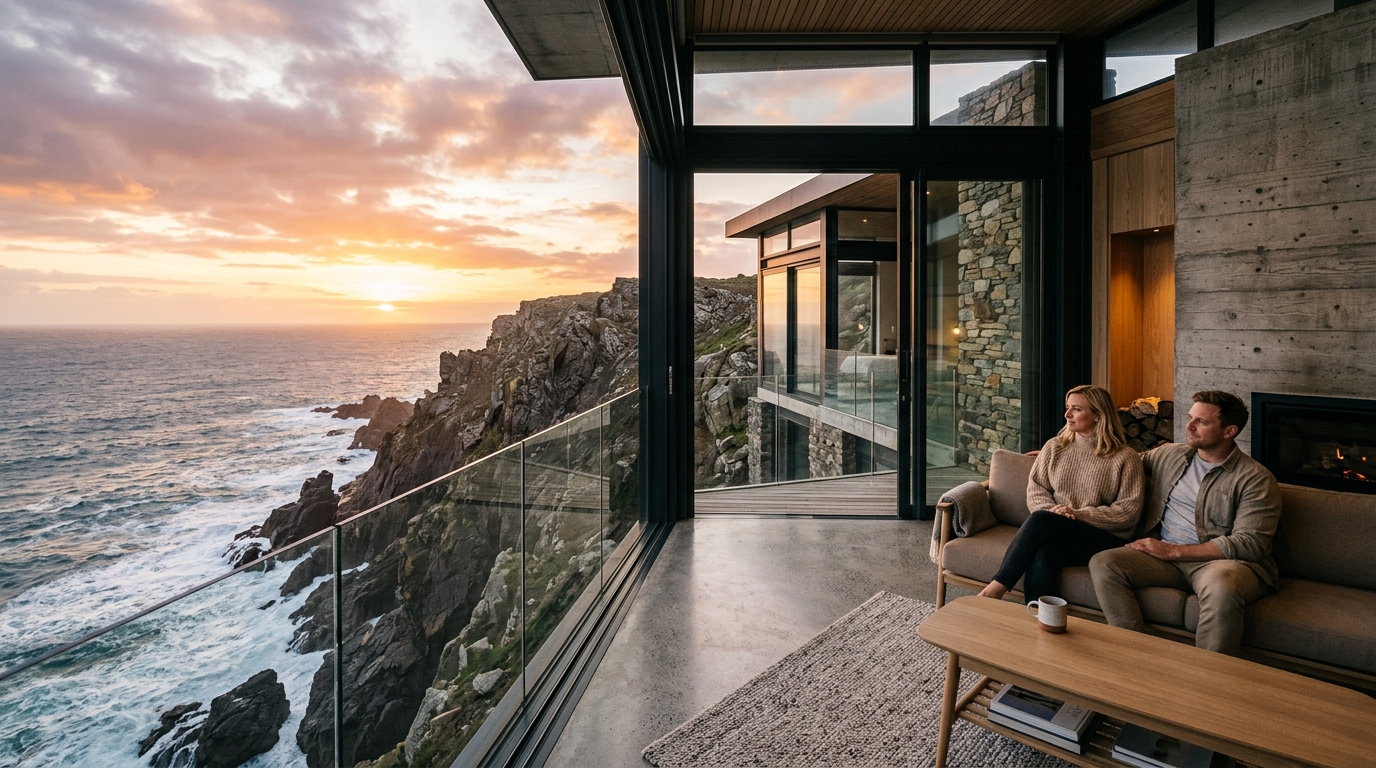
In the upper echelons of the real estate market, the distinction between a trophy home and a genuine store of value is often misunderstood. While investors frequently conflate architectural significance or interior appointments with long term appreciation, those metrics are inherently transient. Styles evolve, materials degrade, and the vogue of a floor plan is subject to the whims of generational preference. The only immutable variable in the calculus of high net worth real estate is the absolute scarcity of the underlying geography. When an asset occupies a position that cannot be replicated or expanded, it ceases to be a residential product and becomes a finite resource.
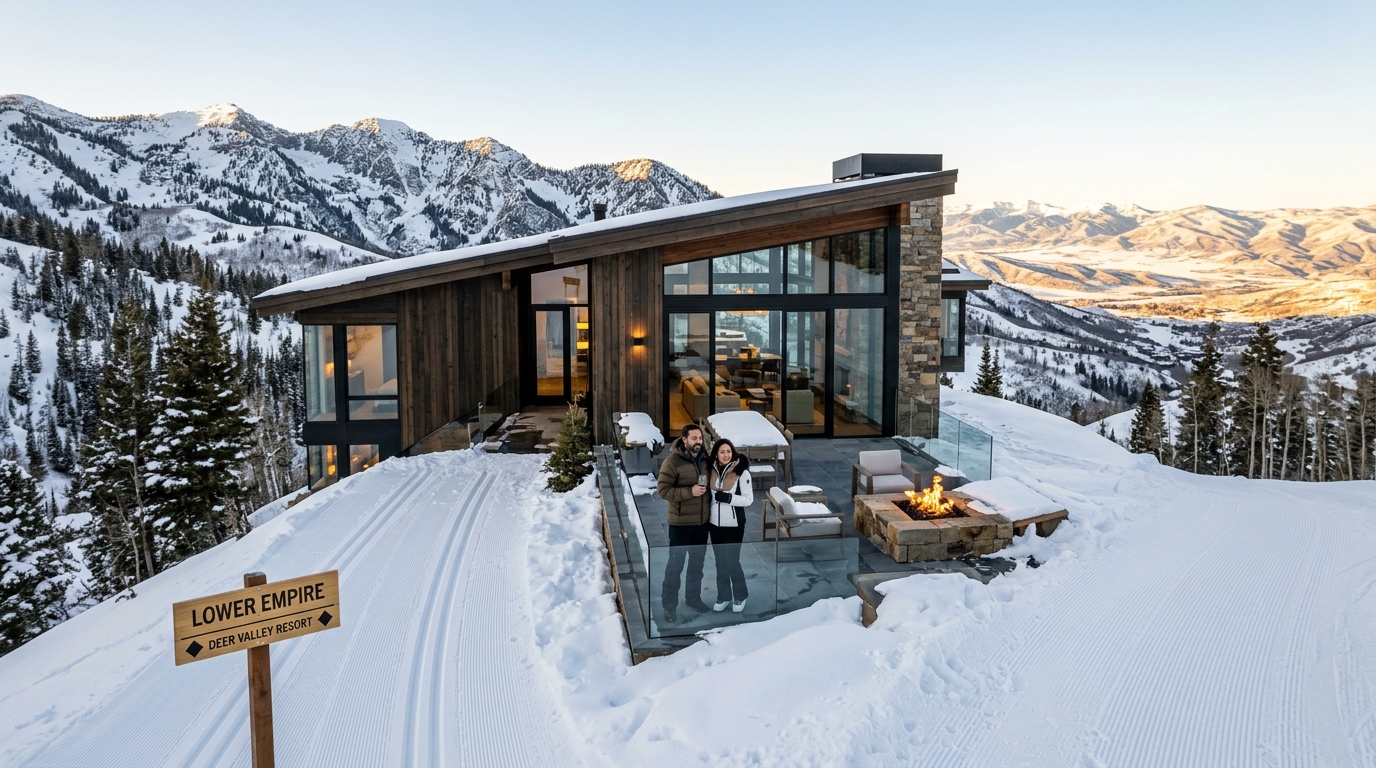
The sophisticated buyer must pivot from assessing the structure to auditing the topography. True value is not found in the square footage of the master suite but in the physical limitations of the surrounding environment. Consider the coastal shelf, the high altitude ridgeline, or the secluded canyon floor. These locations possess a terminal supply. Once the inventory of these specific parcels is exhausted, the market enters a phase where pricing becomes disconnected from construction costs and linked exclusively to the scarcity of the location. This is the transition from a housing market to a land banking paradigm.
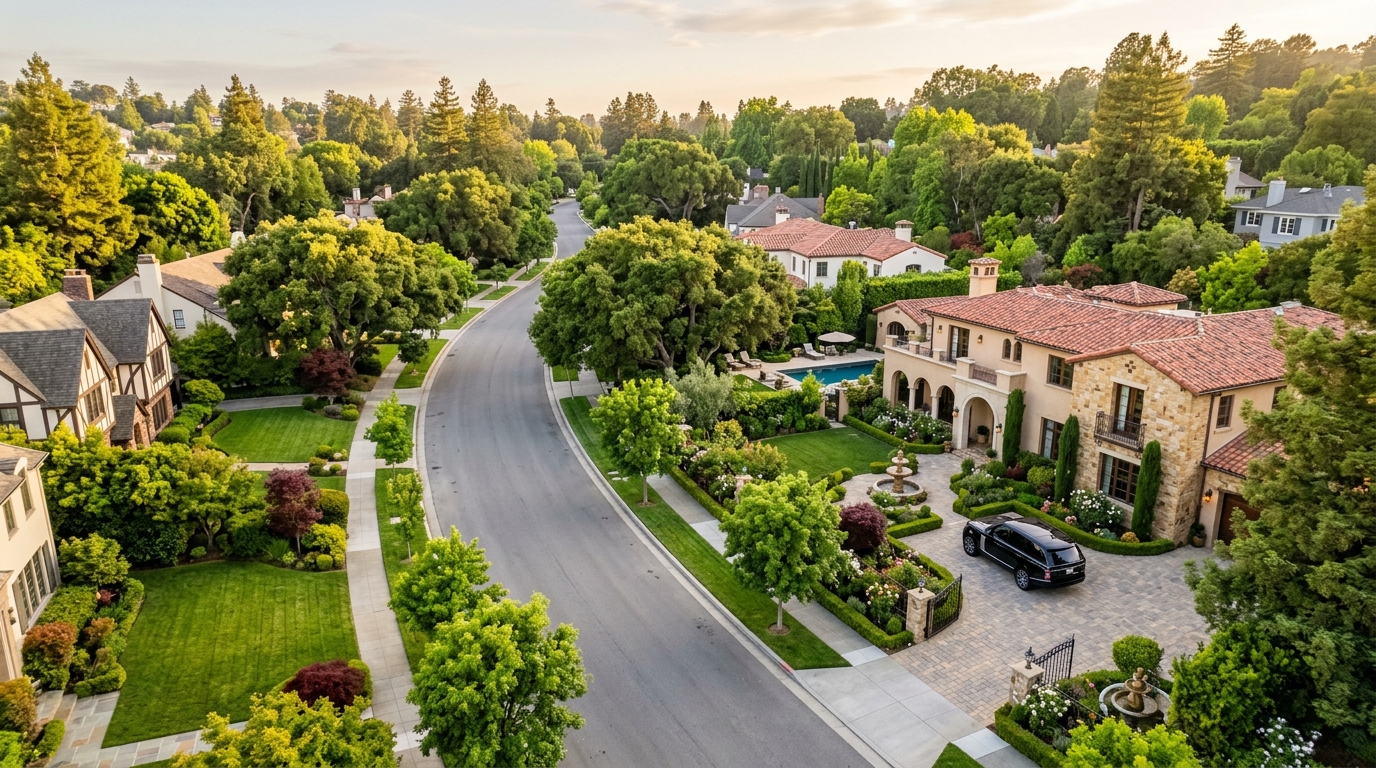
The premium attached to geographic exclusivity serves as a hedge against market volatility. During periods of economic correction, assets with unique environmental constraints retain their floor value more effectively than those in master planned communities or dense urban cores. This resilience is born from the fact that buyers at the top of the pyramid are not seeking utility. They are seeking the preservation of capital in an asset class that is physically incapable of being reproduced. If a property requires a significant commute or presents logistical challenges, the market often discounts the asset. However, in the realm of hyper luxury, these perceived inconveniences are often the very factors that enforce exclusivity. They act as natural gates that preserve the integrity of the enclave.
Investors should scrutinize the physical boundaries of any acquisition with a focus on potential encroachment. A site is only as valuable as the viewshed and privacy it maintains. If the surrounding topography allows for future development that might compromise the privacy or visual dominance of the estate, the long term upside is capped. Sophisticated buyers often find that the most prudent move is to acquire the adjacent parcels or easements to effectively create a private buffer. This strategy is not merely about expanding one’s footprint. It is about controlling the narrative of the landscape. By securing the periphery, the owner dictates the future of the asset’s relative value.
Capital allocation must prioritize land-to-improvement ratios that favor the earth over the structure. In markets where the tax burden or the cost of maintenance is high, a property that is overbuilt relative to its plot size is a fiscal liability. The building will always require capital expenditure, but the land remains the primary engine of growth. When evaluating an acquisition, the focus should remain on the inherent characteristics of the terrain. Does the parcel offer a microclimate that is distinct from the surrounding area? Is the geology stable enough to preclude future regulatory intervention? These are the questions that separate the long term holder from the speculative buyer.
Ultimately, the objective of the high net worth investor is to own an asset that exists outside the reach of typical market cycles. By shifting focus toward the inherent scarcity of geographic positions, one secures a position in the market that is shielded from the fluctuations of architectural trends and consumer sentiment. While others chase the latest interior design aesthetic, the prudent investor secures the land that remains irreplaceable. In the world of luxury real estate, the most powerful position is one that nature created and no developer can replicate. The market will always demand what cannot be manufactured, and in the geography of the elite, the supply is permanently locked.