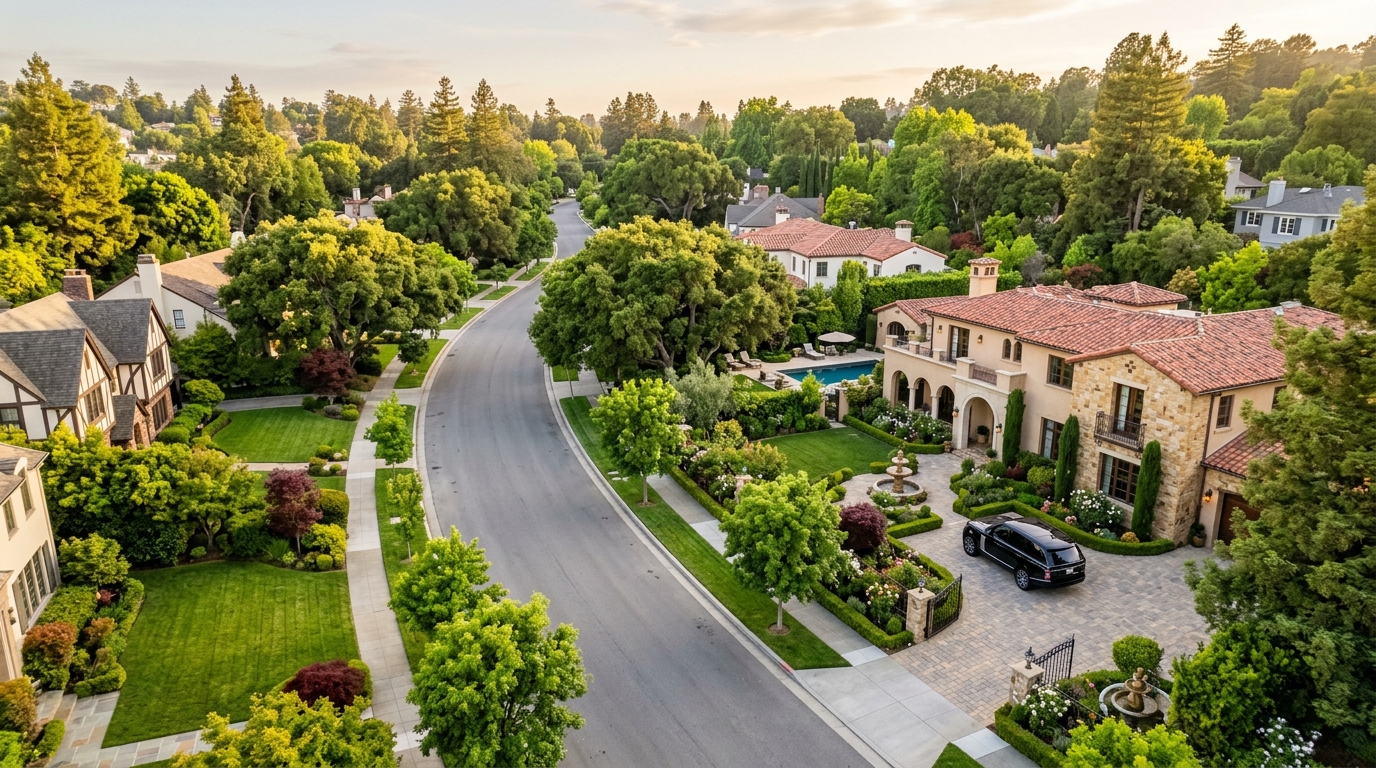
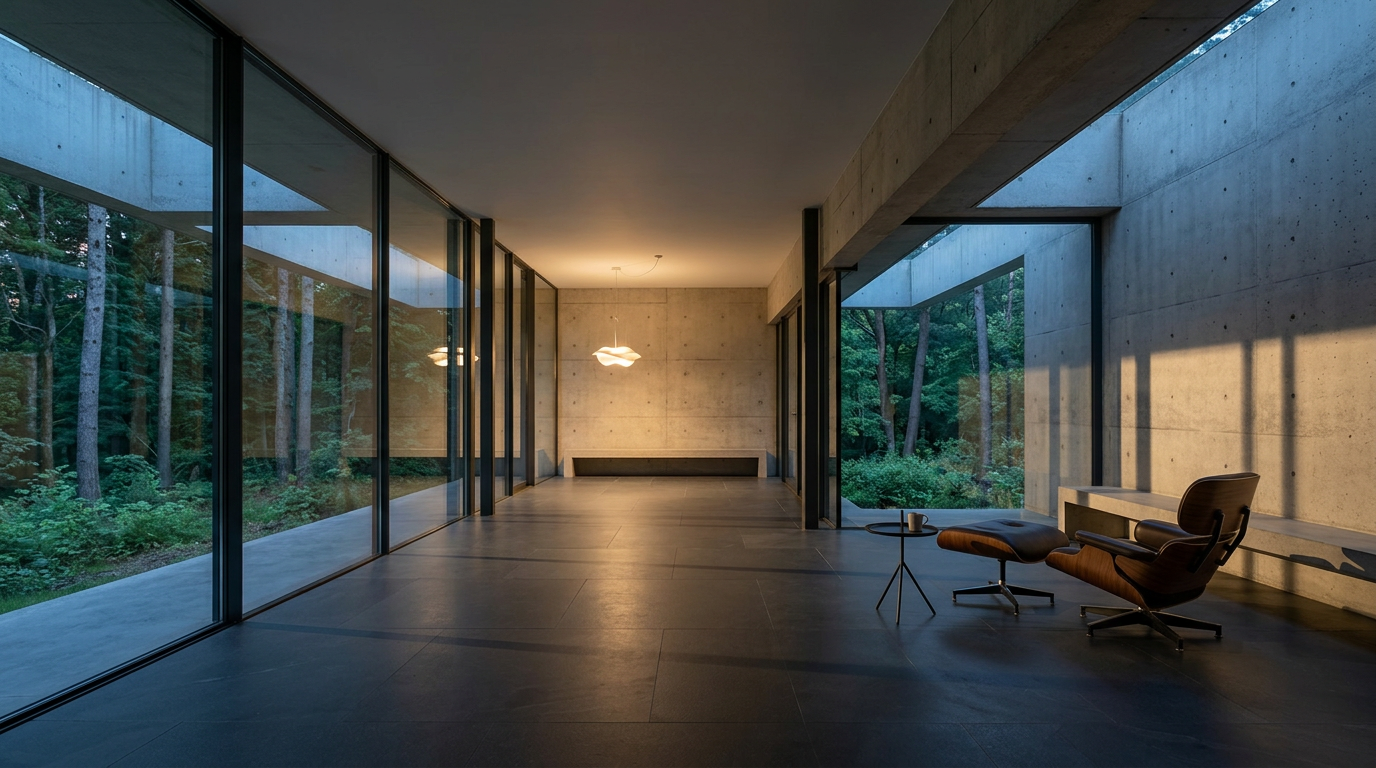
For the ultra-high-net-worth investor, the traditional metrics of luxury real estate are undergoing a fundamental recalibration. While location and finish quality remain essential, the most sophisticated capital is now flowing toward a rarer commodity: absolute, uncompromised privacy. This is not merely a matter of gated entries or high-walled perimeters. It is a sophisticated discipline of spatial arrangement where the building itself serves as a defensive instrument against the encroaching digital and physical visibility of the modern world. We are entering an era where the architecture of seclusion functions as a primary driver of asset appreciation.
The market has reached a saturation point regarding open-plan living. For decades, the industry pushed expansive glass facades and panoramic connectivity as the ultimate expression of the domestic environment. While these features facilitate social capital, they often create a profound vulnerability. Investors are increasingly seeking residences that pivot away from this transparency. The new benchmark for high-value architecture is the integration of defensive design that maintains a sense of openness without sacrificing the ability of the occupant to remain entirely unobserved by the outside world.
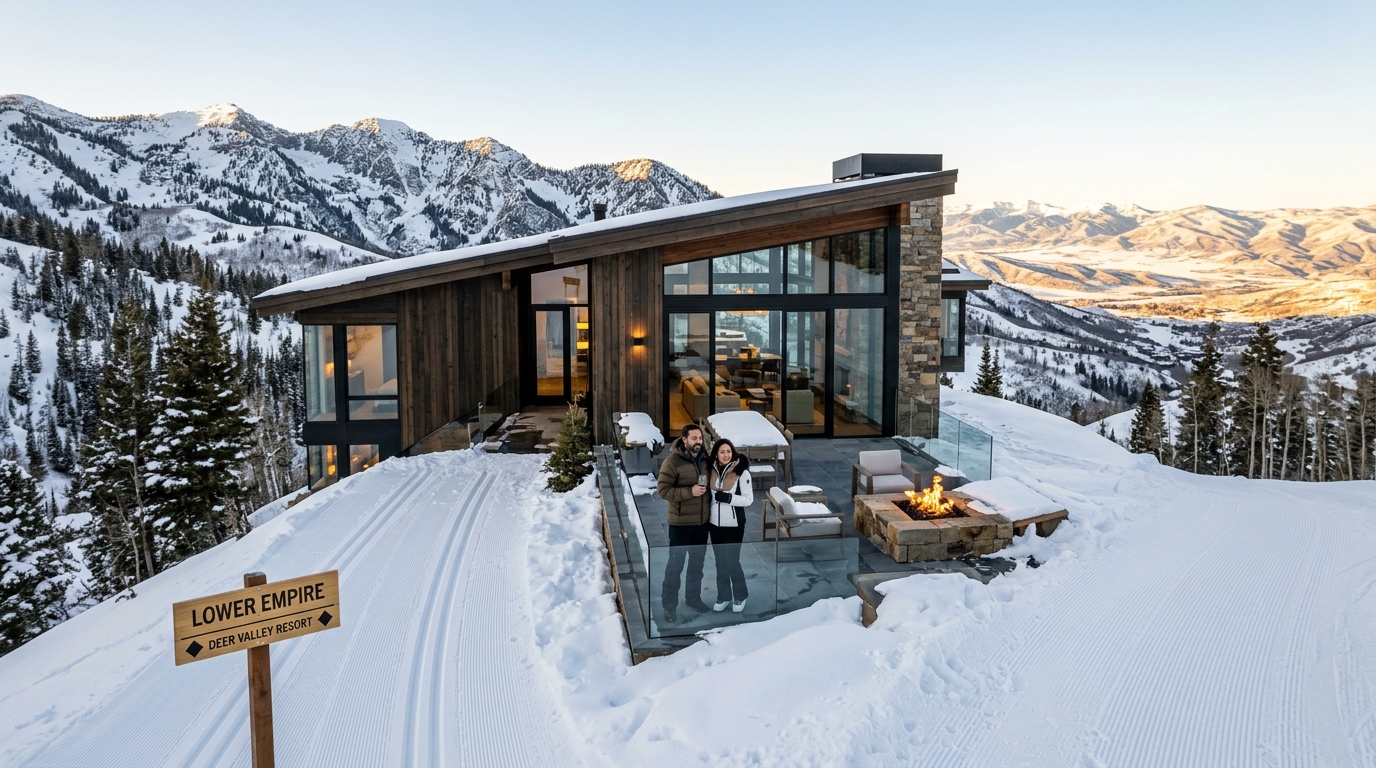
The strategic use of orientation is the first pillar of this architectural shift. Rather than attempting to mitigate unwanted sightlines through heavy window treatments or landscaping, elite architects are now utilizing the building mass to create natural buffers. By employing staggered floor plates and cantilevered volumes, designers can curate internal views that capture the environment while simultaneously rendering the interior invisible from the property line. This requires a nuanced understanding of topography and light. A home that maximizes solar gain while obscuring the inhabitants from the public sphere represents a superior engineering feat compared to the standard glass-box aesthetic.
Materiality also plays a critical role in the new geometry of privacy. The use of high-density materials, such as board-formed concrete or monolithic stone cladding, serves a dual purpose. Beyond providing structural weight and aesthetic presence, these materials offer superior acoustic insulation and psychological enclosure. When coupled with advanced glazing technologies that utilize micro-louvering or polarized layering, a property can achieve a state of total visual autonomy. Investors should view these technical specifications as core components of the home value. A property that requires constant management of its privacy through external interventions is an inefficient asset compared to one where the privacy is baked into the DNA of the structure.
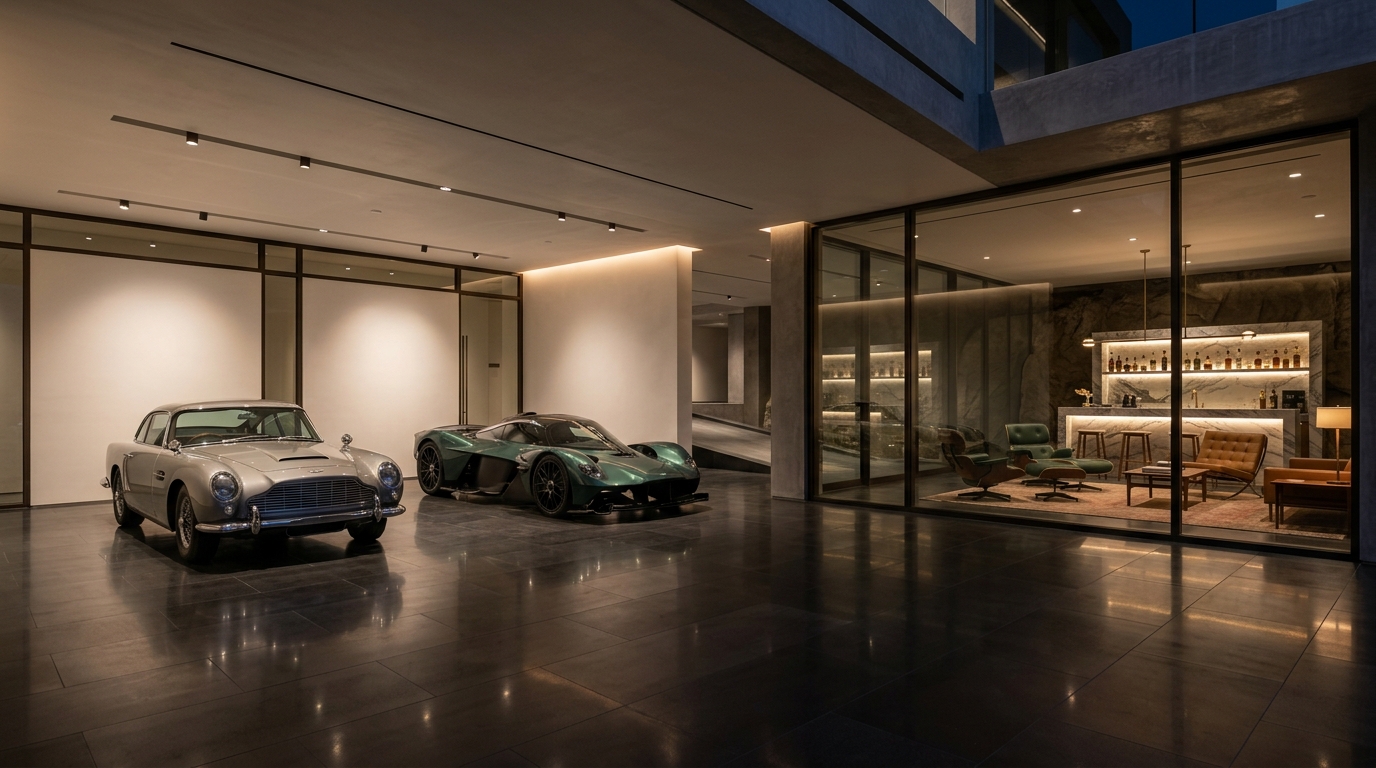
The concept of the threshold is equally vital. In older, traditional estates, the transition from public to private space was often abrupt. Modern luxury demands a graduated experience. The most liquid assets in the current market utilize a series of layers—entry courtyards, subterranean galleries, or transitional exterior rooms—that allow the occupant to shed the pressures of the outside world incrementally. This architectural sequence provides a psychological benefit that transcends the physical space. It is a luxury that is felt rather than seen, and it is precisely this quality that commands a premium in private off-market transactions.
Strategic blind spots are the ultimate hallmark of a refined estate. Designing for privacy is not about hiding, but about controlling the narrative of visibility. By creating deliberate sightlines that terminate in private garden features or sculptural light wells, the architect directs the gaze of the occupant inward, reinforcing the sense of sanctuary. This is the antithesis of the showroom home. It is a residence designed for living, rather than for display. Investors who prioritize this architectural intent will find that their assets possess a unique resilience in the market, as privacy becomes an increasingly scarce resource in densely developed coastal and mountain corridors.
In the final analysis, the value of a property is increasingly tied to its ability to offer a protected existence. As digital connectivity continues to diminish the boundaries of our professional lives, the demand for physical spaces that offer total, unmonitored tranquility will only accelerate. Those who invest in properties that master this geometry of privacy are not just acquiring real estate. They are securing a permanent, appreciating stake in the one thing that money cannot purchase anywhere else: the freedom to be truly alone.