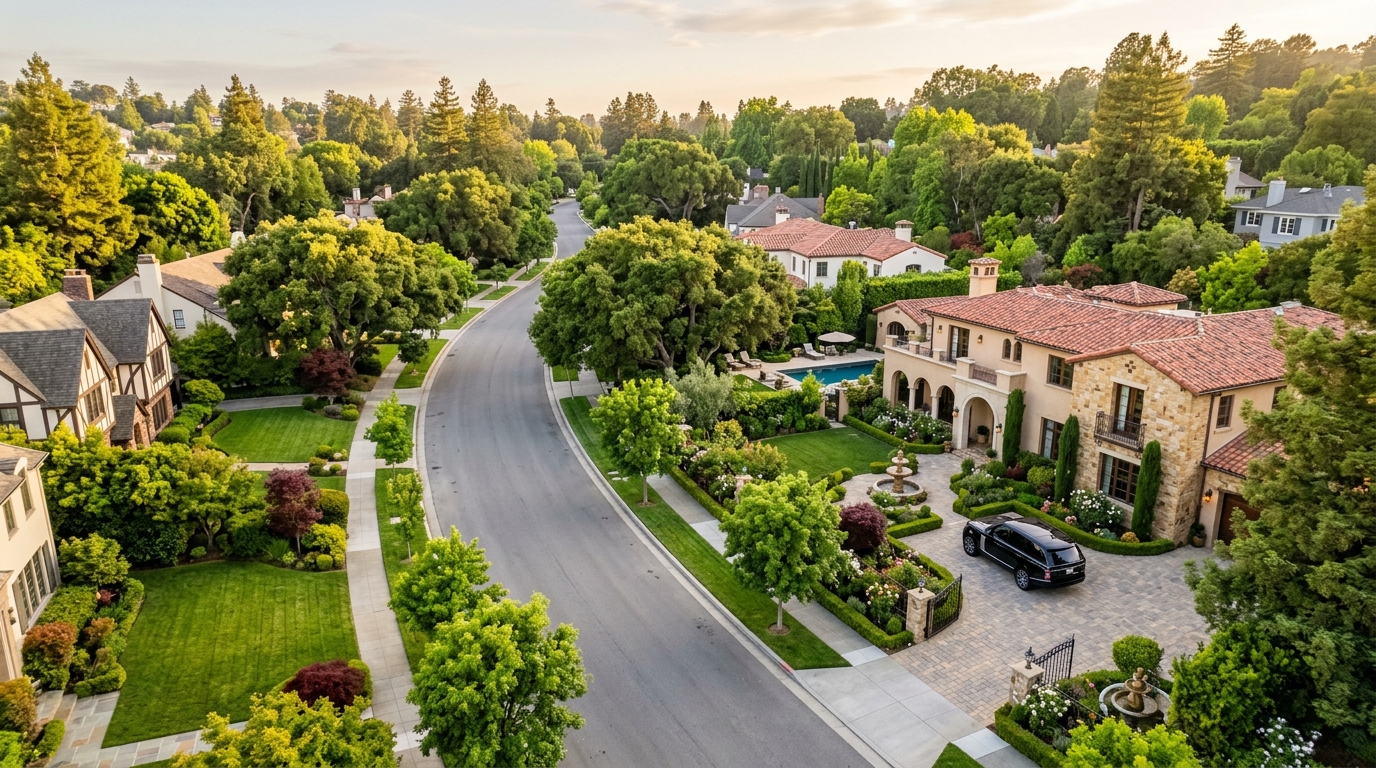
In the rarefied air of the twenty million dollar property segment, location is frequently cited as the final arbiter of value. Investors operate under the assumption that a prime parcel in a coastal enclave or a mountain corridor provides an immutable floor for capital preservation. This thesis remains dangerously incomplete. While the dirt retains its utility, the physical structure atop it is subject to a phenomenon of silent depreciation that few private clients adequately quantify: the rapid acceleration of architectural obsolescence.
We are currently witnessing a generational disconnect between the spatial programming of the late twentieth century and the operational requirements of contemporary ultra high net worth households. Properties built with grand, cellular floor plans, expansive formal dining wings, and high-maintenance ornamental facades are increasingly viewed by the market as liabilities rather than assets. The cost of stripping a property to its bones to achieve a modern, open-concept flow often approaches forty percent of the original acquisition price. This is not merely a renovation expense. It is a fundamental correction in the asset valuation that buyers must account for at the moment of offer.
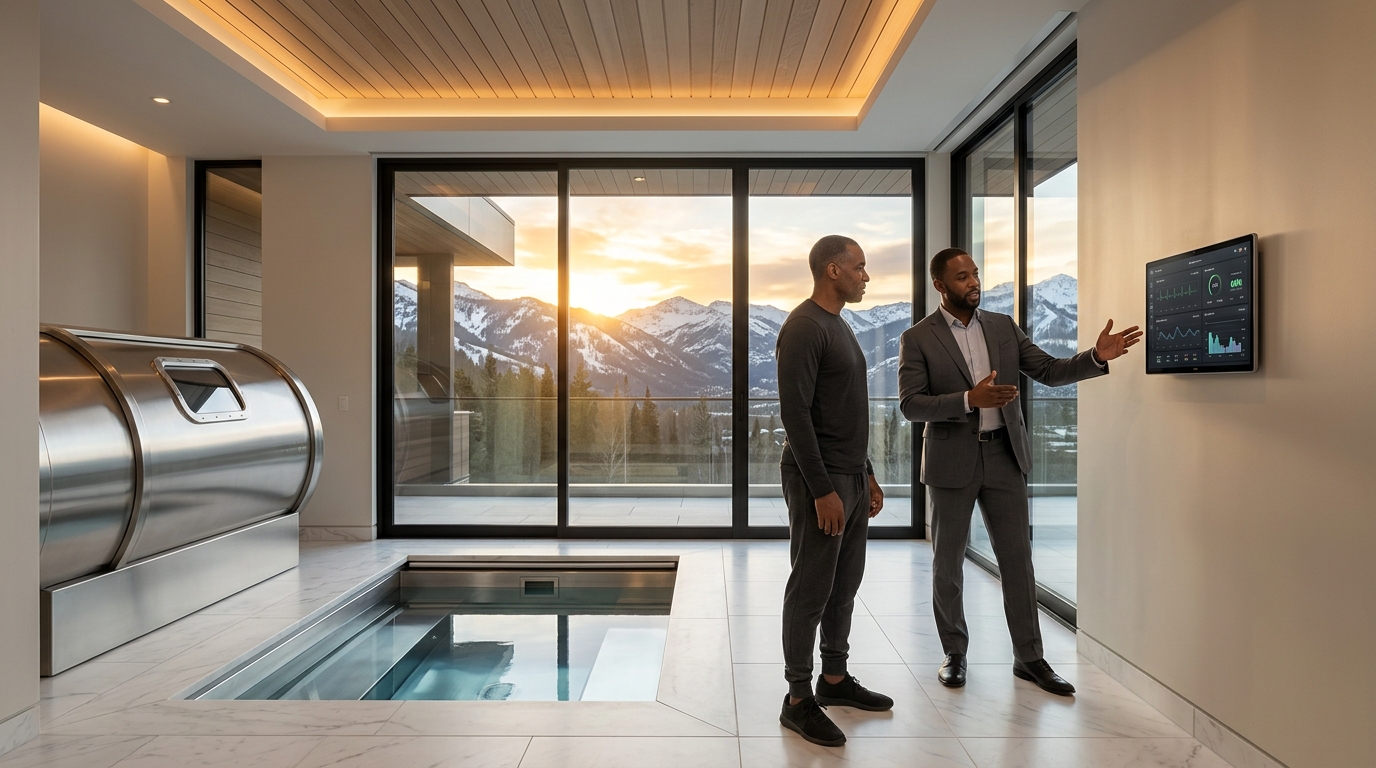
The obsolescence gap is widening because of the evolving definition of private utility. Modern wealth demands a seamless integration of wellness technology, climate-controlled storage for secondary collections, and high-security infrastructure that older estates were never engineered to support. When a buyer evaluates a property, they are not simply purchasing square footage. They are purchasing the future cost of bringing that square footage into compliance with modern lifestyle standards. When the cost to modernize exceeds the potential appreciation of the asset, the property enters a state of negative equity growth. Institutional investors understand this as a capital expenditure drag, yet individual buyers often overlook it in favor of aesthetic sentiment.
Sophisticated market participants are now applying a discount rate to properties that cannot accommodate these structural upgrades without compromising the building's integrity. If a home is constructed with a rigid, non-load-bearing-friendly layout, the cost to modernize becomes prohibitive. This creates a ceiling for the property regardless of its address. We see this most clearly in the Pacific coastal markets where legacy estates sit on the market for extended durations. The sellers remain anchored to historical comparables, while the buyers are performing a rigorous internal audit of the demolition and reconstruction costs required to make the space habitable by current standards.
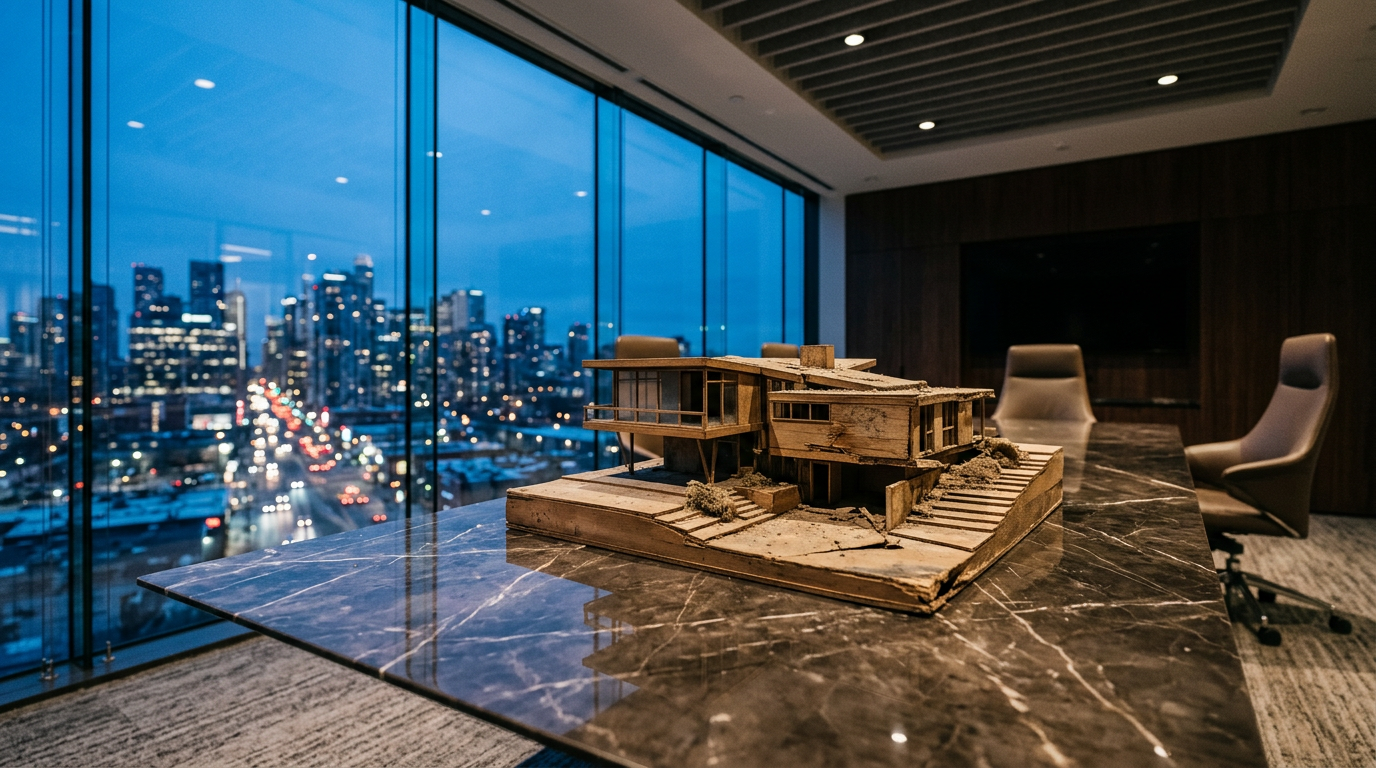
True market intelligence lies in identifying the tipping point where a structure becomes a burden to the land. A property that requires a total interior gutting to remain competitive is functionally equivalent to a teardown. Savvy investors should treat these assets as land plays, applying land-only valuation metrics rather than attempting to justify the price through the lens of existing square footage. The sentimentality attached to a storied pedigree or a historical facade often clouds this judgment. In the luxury sector, equity is preserved by dispassionate accounting of the replacement cost versus the market-ready utility.
Furthermore, the maintenance of outdated, bespoke materials creates an ongoing fiscal drain that complicates exit strategies. When a home relies on specialized craftsmanship that no longer exists in the local labor market, the owner assumes a perpetual risk of deferred maintenance. This risk profile is a direct subtraction from the asset's net present value. Investors who ignore these nuances find themselves holding illiquid estates that have lost their relevance to the next tier of buyers. The ultimate luxury in real estate is not the presence of grand design, but the ability to adapt the physical environment to shifting patterns of human activity without incurring catastrophic capital loss.
As the market matures, the premium on turnkey, modern-engineered assets will continue to decouple from legacy properties that require significant intervention. The smart money is moving toward estates that emphasize architectural flexibility and modularity. By prioritizing structural adaptability over rigid historical character, the modern investor ensures that their capital remains resilient against the changing tastes of the global elite. The era of the static mansion is concluding. In its place, the most astute investors are seeking properties that serve as a blank, highly-engineered canvas for the future.