In the rarefied air of the twenty million dollar market, the distinction between a trophy property and a depreciating liability is often found in the molecular composition of the exterior envelope. While many investors focus on the provenance of design or the pedigree of the architect, the longevity of capital in luxury real estate is fundamentally tied to the dialogue between materials and the local climate. This is not merely a question of aesthetics, but a rigorous assessment of how structures survive the relentless attrition of their specific geography.
Materiality is the primary indicator of long term fiscal health. When we examine properties in coastal zones or high altitude environments, the failure of a structure rarely stems from architectural obsolescence. It stems from the biological and chemical breakdown of materials that were poorly suited for their specific environment. The sophisticated buyer must look past the polished stone of the foyer and interrogate the material science of the facade. A facade that requires constant intervention to remain pristine is not a luxury asset, but a perpetual maintenance obligation that erodes the net yield of the investment.
The most resilient estates are those that utilize materials in their raw, native states. In high salt environments, for instance, the reliance on high grade stainless steel or treated wood often yields to the inevitable creep of corrosion. Conversely, the deployment of marine grade bronze or specific alloys that form a protective patina provides a shield against the elements. These materials do not merely resist the environment; they integrate with it. As they age, they acquire a depth of character that increases the property value, turning the inevitable passage of time into a cumulative aesthetic advantage.
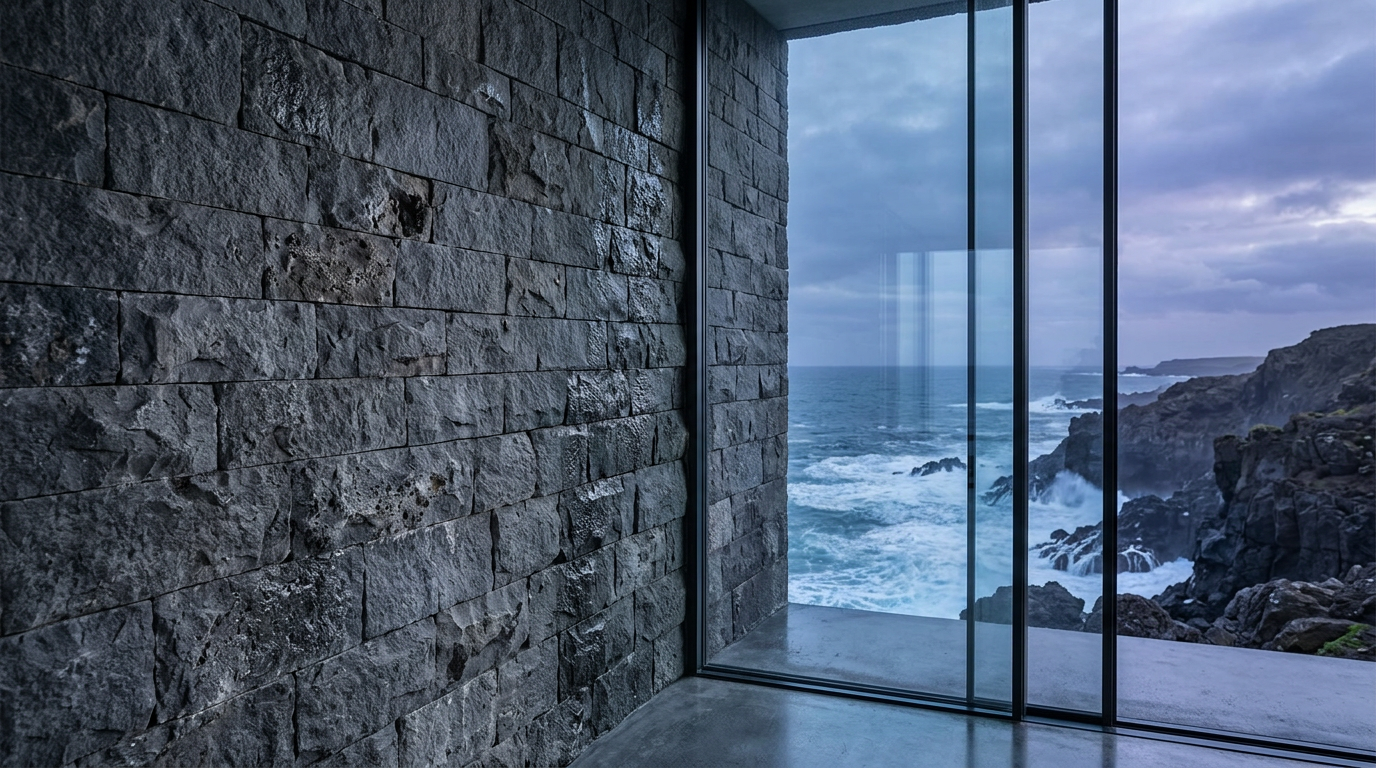
The psychological impact of authentic materials creates a disconnect between the owner and the manufactured environment. Luxury is not found in the synthetic perfection of resin or composite veneers. It is found in the weight of basalt, the tactile honesty of rift sawn white oak, and the cold density of limestone. When an architect specifies materials that are indigenous to the region, the home feels anchored to the landscape. It exists as an extension of the terrain rather than an imposition upon it. This connection is not merely philosophical. It is a measurable metric of market desirability. Properties that feel like they belong to their site command a premium because they provide a sense of groundedness that cannot be manufactured through interior staging.
The structural integrity of a building is inextricably linked to the thermal and moisture movement of its components. Sophisticated design acknowledges that no material is static. Metals expand, stone absorbs moisture, and timber settles. The high end estate must allow for these movements while maintaining a hermetic seal against the external world. When designers attempt to force materials to act against their natural behavior, cracks, leaks, and structural fatigue follow. The most successful estates are those where the details accommodate the natural flux of the materials, ensuring that the building remains a silent, stable vessel for the inhabitant.
Investment grade architecture avoids the trap of trend driven materiality. The impulse to utilize the latest high tech finish or experimental cladding often results in a property that is dated within a cycle. True value is maintained through the use of materials that have been proven over centuries. Granite, slate, copper, and lime based renders are not subject to the whims of the market. They represent a commitment to permanence that telegraphs confidence to future buyers. When a potential purchaser walks into a residence where the exterior materials appear to be failing, their first instinct is to discount the price of the home by the cost of a full envelope replacement. This is a significant hit to equity that can be avoided by selecting materials that age gracefully.
Ultimately, the objective of the architectural envelope is to provide a reliable barrier between the inhabitant and the indifference of the natural world. By prioritizing the integrity of materiality, the owner secures their position in the market. A house constructed with an understanding of material science is a hedge against the inevitable decay that claims lesser properties. It is a testament to the fact that in the highest tier of real estate, the most powerful statement of luxury is the refusal to compromise on the physical substance of the home.