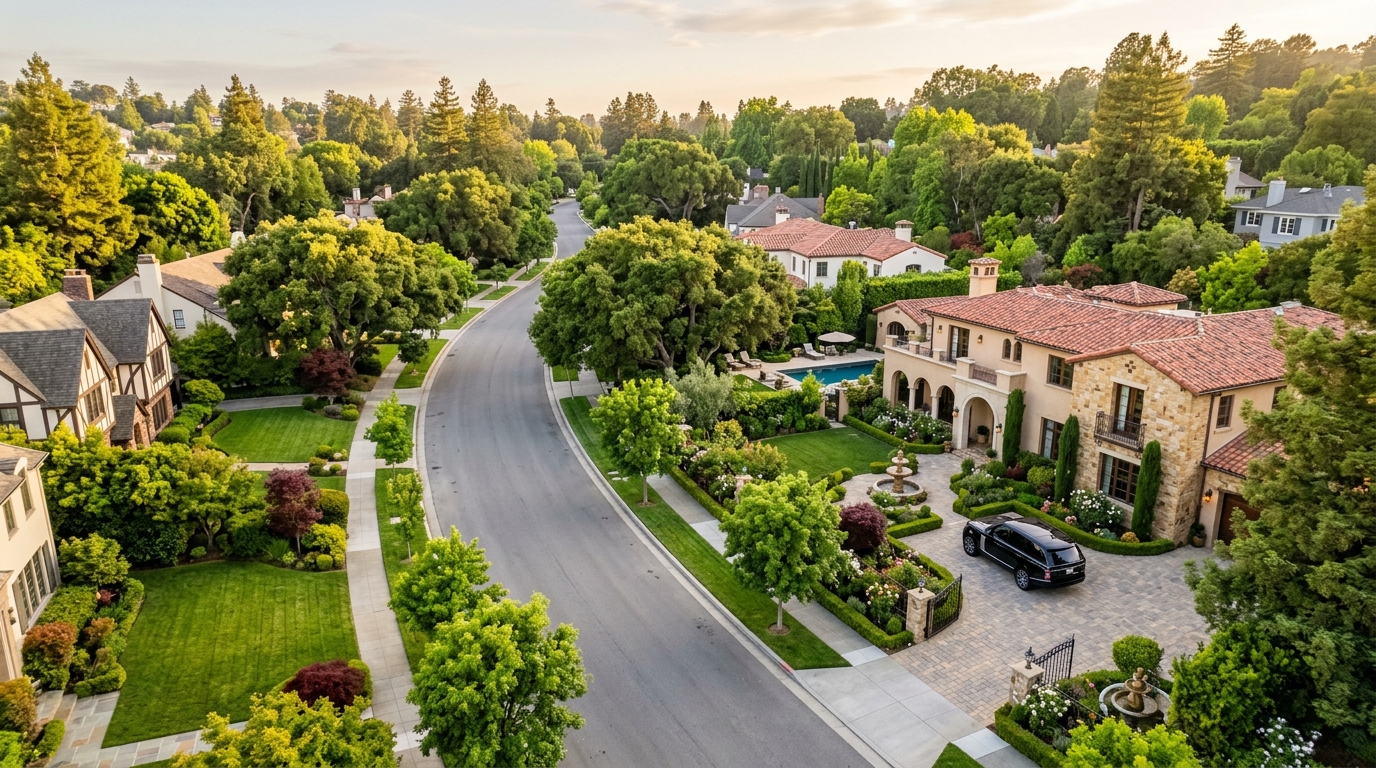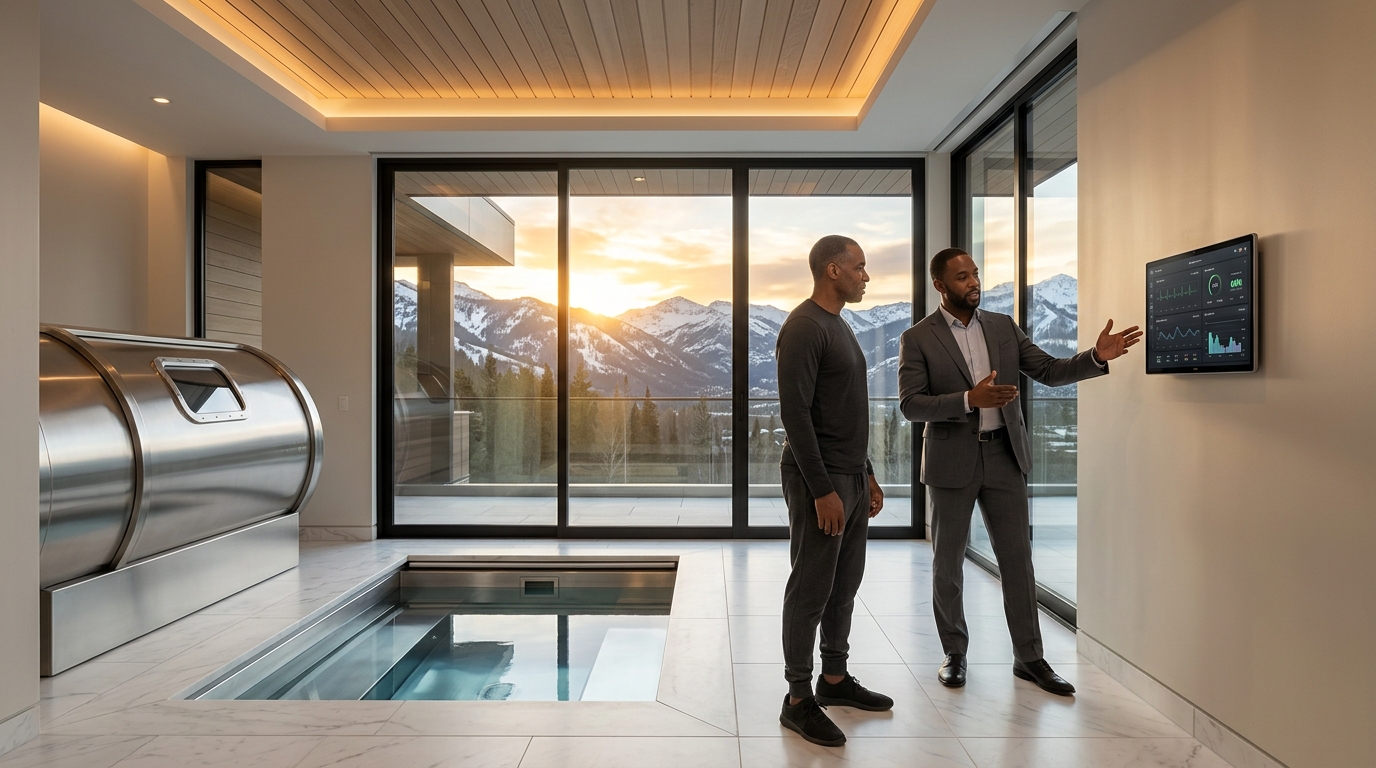

For the ultra-high-net-worth investor, the residential portfolio is frequently treated as an afterthought. It is often the product of emotional proximity, aesthetic preference, or the pursuit of immediate lifestyle amenities. However, when viewed through the lens of sophisticated capital management, the primary residence and secondary vacation holdings represent significant concentrations of risk that are rarely optimized. Transitioning from a collection of homes to a disciplined real estate portfolio requires the abandonment of the personal narrative in favor of a structural approach to intergenerational wealth transfer.
The first imperative is to decouple the utility of the asset from its financial mandate. Most owners view a property through the prism of their own tenure. They consider proximity to specific amenities, school districts, or seasonal preferences. This is a retail mindset. The institutional investor recognizes that a portfolio must be balanced across distinct economic cycles and geographic correlations. If one holds a trophy estate in a high-tax, dense urban center, the counterbalance should not be another urban asset but rather a high-yield, low-density holding that responds to different macroeconomic stimuli. Diversification in this sector is not merely about location. It is about the variance in the underlying drivers of value.
Portfolio rebalancing necessitates an objective assessment of yield potential and tax efficiency. Many luxury owners fail to realize that their residential assets are effectively dead capital. They occupy massive balance sheet space while generating zero cash flow. While residential real estate is not traditionally viewed as a yield-generating instrument, the sophisticated investor structures these holdings to allow for flexible use. This includes the integration of professional property management that maintains the asset at a institutional standard while exploring opportunities for strategic rental during peak demand periods. By treating a secondary home as a functional asset rather than a dormant museum, the owner preserves capital while offsetting the significant carrying costs that otherwise erode total return.
A critical component of this strategy is the management of the asset lifecycle in alignment with tax and estate planning. Properties should not be held indefinitely simply because they have been in the family for decades. The fiscal cost of holding a legacy property that no longer serves the family’s economic trajectory can be immense. An objective audit of the portfolio every half-decade is essential. This process involves evaluating whether the capital tied up in a specific location would be better deployed elsewhere. If the tax burden or the maintenance of a specific estate exceeds the projected appreciation and utility, the asset should be liquidated. Sentiment is the enemy of the portfolio. The ability to divest from an asset that no longer aligns with the broader financial mandate is the hallmark of the successful investor.
True resilience is achieved through geographic and structural variance. Investors often cluster their holdings in regions that share identical economic risks, such as high-end resort towns that rely exclusively on discretionary spending. When the market shifts, the entire portfolio suffers in lockstep. To mitigate this, a sophisticated portfolio requires assets in stable, non-cyclical regions. This could mean allocating capital to markets where the demand is driven by essential infrastructure or industrial growth rather than leisure. By diversifying across different economic ecosystems, the investor ensures that a downturn in one sector is insulated by the relative stability of another.
Finally, the intergenerational aspect of this strategy cannot be overstated. Assets must be acquired and maintained with the goal of institutional longevity. This means prioritizing properties with high architectural integrity and robust structural systems that can withstand the test of time. It also means establishing legal frameworks, such as family limited partnerships or trusts, that facilitate the smooth transition of these assets to the next generation without triggering catastrophic tax events. The goal is to create a perpetual machine that provides both the utility of luxury living and the security of a well-managed investment. In the world of high-stakes real estate, the most successful investors are those who view their homes not as places to live, but as integral components of a larger, carefully calibrated financial architecture.