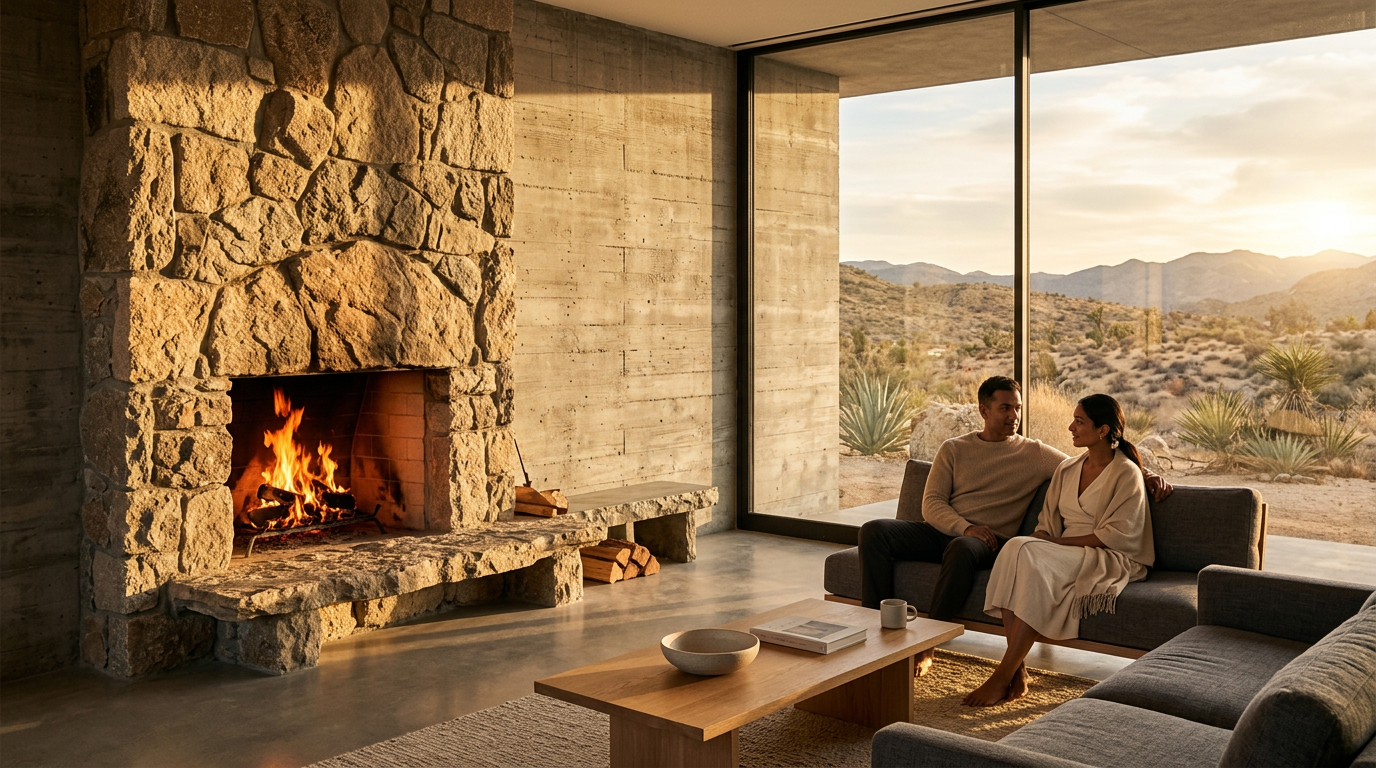
In the rarefied air of the West Coast and mountain markets, architectural prestige is often measured by visual spectacle. We prioritize soaring glass curtain walls and cantilevered volumes that challenge the horizon. Yet, the most sophisticated estates are defined by what the occupant does not perceive. The pinnacle of residential engineering is not the presence of a climate control system, but the deliberate absence of its audible intrusion. This is the quiet discipline of thermal mass, an ancient principle of construction that sophisticated investors are now reclaiming as the ultimate standard of luxury.
Thermal mass refers to the capacity of a material to absorb, store, and release heat energy over time. In a residential context, this means utilizing high-density materials like rammed earth, site-cast concrete, or quarried stone to regulate the interior climate without relying on the constant cycling of forced-air systems. When an envelope is engineered with sufficient mass, the home acts as a thermal battery. It pulls heat from the ambient air during the peak of a summer day and radiates it slowly as the temperature drops in the evening. This creates a baseline of stability that mechanical systems struggle to replicate.
The shift toward high-mass architecture represents a move away from the fragility of lightweight, modular construction. In the mountain markets, where diurnal temperature swings can be extreme, the reliance on high-velocity HVAC systems often leads to dry, stagnant air and the persistent hum of compressors. By integrating mass, the architect creates a living environment that breathes. The luxury of a thermally stable home is found in the stillness of the air. There is a profound difference between a room that is merely heated and a room that possesses an inherent, consistent temperature. The former feels manufactured, while the latter feels elemental.
Investors should view the selection of structural materials not merely as an aesthetic choice, but as a long-term capital allocation toward operational efficiency and occupant health. A home built with high-mass interior partitions and heavy stone flooring offers a sound-dampening quality that is unattainable in wood-framed or steel-and-glass structures. Acoustic privacy is the silent partner of thermal comfort. When the thermal envelope is dense, exterior noise—the wind howling against the peaks or the hum of a distant highway—is effectively neutralized. The result is a sanctuary that feels physically grounded, providing a sensory experience that justifies the premium price point of the asset.
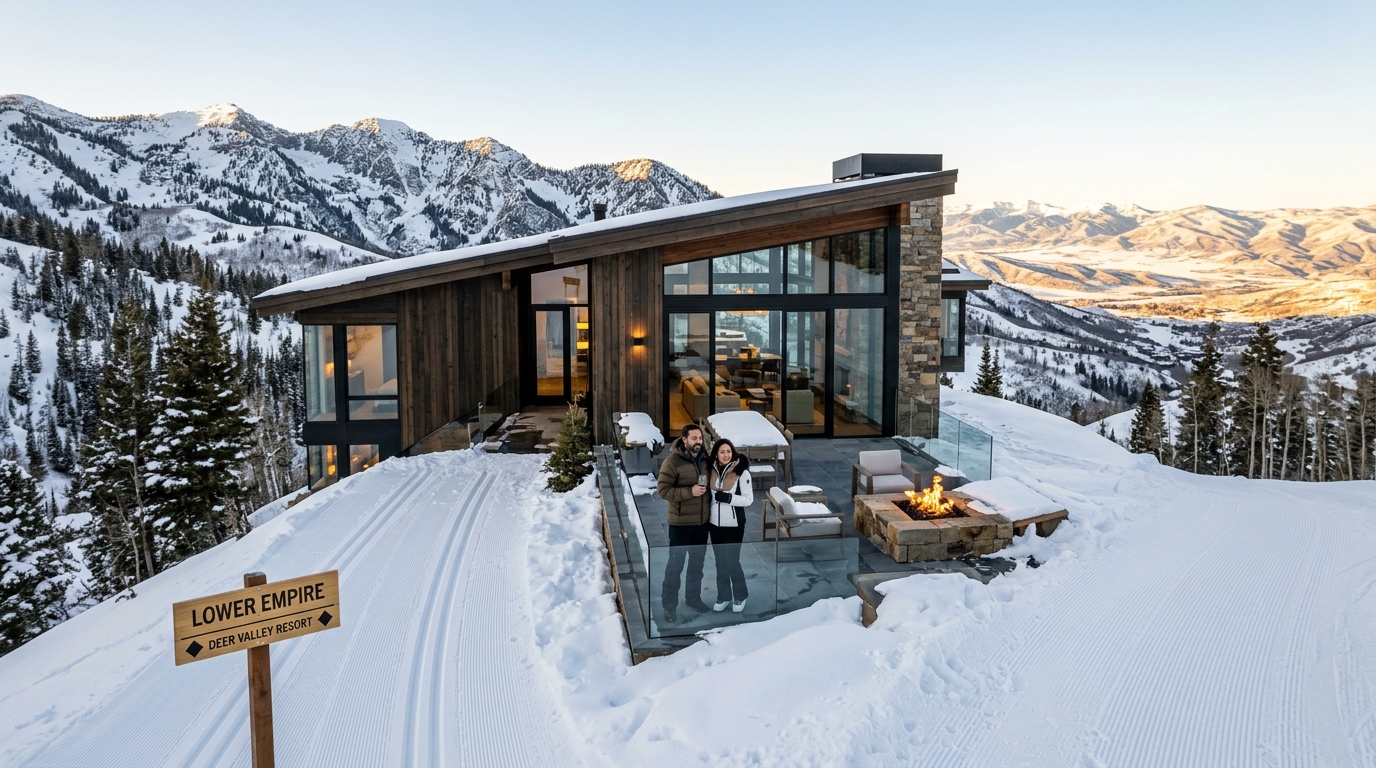
The challenge for the modern developer lies in the intersection of mass and transparency. There is a prevailing desire for large apertures that offer panoramic vistas, which inherently introduces thermal weak points. The solution is not to reduce the glass, but to compensate with the surrounding mass. By utilizing heavy masonry or concrete cores as the primary structural pillars, architects can anchor the lighter glass elements, creating a juxtaposition that highlights the permanence of the structure. This creates a deliberate rhythm in the floor plan: heavy, intimate zones for sleeping and reflection transition into lighter, expansive zones for social engagement.
Furthermore, the integration of mass is a hedge against the volatility of energy costs and mechanical failure. Sophisticated buyers are increasingly prioritizing self-sufficiency. A home that maintains a comfortable temperature range through its own physical composition requires less energy to sustain, regardless of the fluctuating costs of electricity or natural gas. This is the definition of true structural resilience. It is not about the durability of the paint or the finish of the cabinets, but the fundamental ability of the building to perform its primary function: providing shelter that is indifferent to the weather outside.
As we evaluate the next generation of legacy properties, the focus must shift from the visible to the atmospheric. The most valuable homes of the future will be those that manage energy through physics rather than machinery. They will be quiet, grounded, and perpetually comfortable. They will demonstrate that the most luxurious feature an architect can provide is an environment that requires no intervention at all. When selecting your next acquisition, look past the marble cladding and the smart home interfaces. Seek the mass that anchors the structure. In the realm of high-end real estate, the most profound impact on quality of life is made by the materials you cannot see, working silently to ensure the house remains a sanctuary regardless of the season.