In the rarefied air of the mountain and coastal markets, the conversation surrounding high-value acquisitions often halts at the threshold of the foyer. Investors scrutinize the integrity of the envelope and the provenance of the finishes, yet they frequently overlook the most significant component of their portfolio: the land itself. True stewards of wealth recognize that a property is not a static object but a living, breathing biological asset that requires a rigorous management philosophy akin to an institutional endowment.
When acquiring large-tract holdings, the primary objective must shift from mere maintenance to active ecological stewardship. This transition is not born of sentimentality, but of cold financial pragmatism. A landscape left to its own devices is a depreciating asset. Invasive species, unchecked erosion, and failing forest health can strip millions of dollars in value from a property in less than a decade. Conversely, a managed landscape acts as a hedge against volatility, stabilizing the microclimate and enhancing the intrinsic desirability of the parcel.
The first principle of sophisticated stewardship is the establishment of a botanical baseline. Much like a forensic audit of a corporation, this process involves mapping the existing flora and fauna to understand the property as a closed-loop system. Engaging a consultant with a background in arboriculture or hydrology is not an expense, but a foundational investment. These professionals identify the structural weaknesses in the land, such as drainage patterns that threaten the foundation of the residence or fire-prone undergrowth that jeopardizes the insurability of the entire estate. By mitigating these risks, the owner ensures that the asset remains insurable and attractive to future institutional-grade buyers.
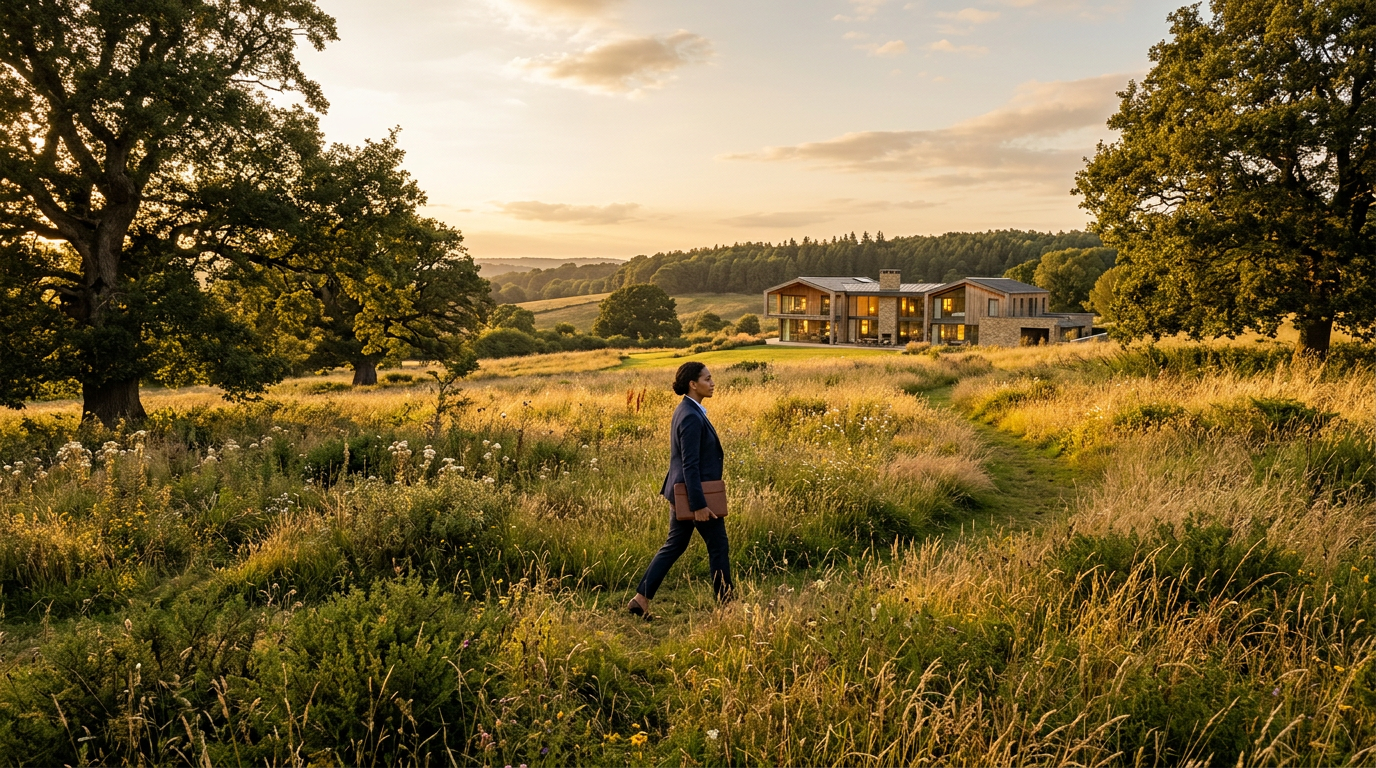
Strategic land management also necessitates a move toward regenerative aesthetics. The era of the manicured, water-intensive lawn is yielding to a more nuanced appreciation for native topography. High-net-worth individuals are increasingly pivoting toward xeriscaping and sustainable land restoration. This shift creates a buffer between the residence and the surrounding wilderness, reducing wildfire risk while simultaneously fostering biodiversity. A property that demonstrates a mastery of local ecology is inherently more valuable than one that forces a suburban aesthetic onto a rugged landscape. It suggests that the owner respects the context of the region, a hallmark of the most successful private collectors.
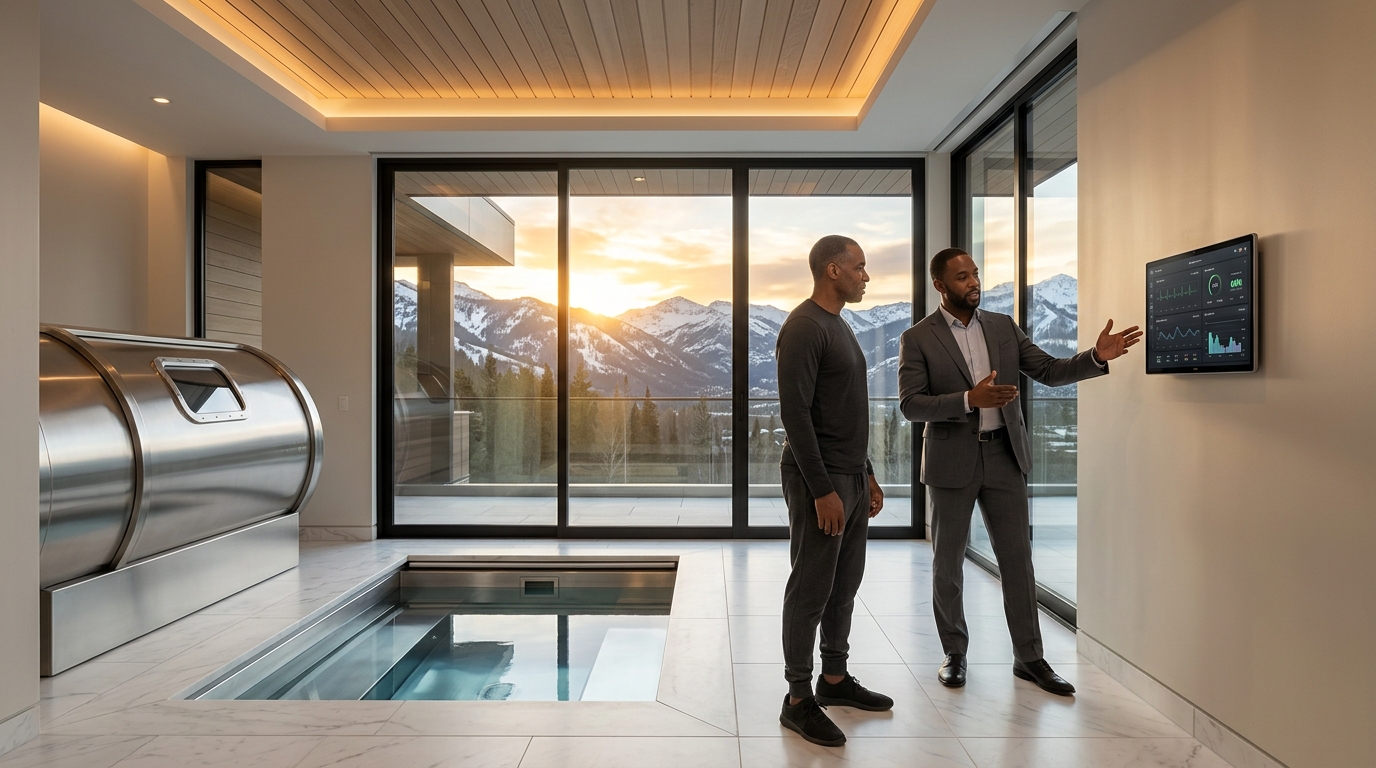
Furthermore, the integration of technology into land management has moved beyond simple irrigation controllers. Modern estates now utilize sensor networks that monitor soil moisture, mineral depletion, and canopy density in real time. This data-driven approach allows for precise interventions, ensuring that capital expenditures on landscaping are directed only where they provide the highest return. By treating the land as an active component of the estate portfolio, owners can achieve a level of operational efficiency that was previously impossible. This is the difference between a homeowner who reacts to nature and a steward who directs it.
The temporal horizon for land stewardship must extend beyond the current ownership cycle. When an individual invests in a property, they are acting as a temporary curator of a permanent feature of the earth. By investing in long-term soil health and forest succession, the owner creates a legacy of value that persists well beyond the exit strategy. Prospective buyers in the current market are increasingly sophisticated, looking past the cosmetic appeal of the home to the underlying condition of the acreage. A property that has been nurtured with scientific rigor offers a compelling narrative of stability and foresight, qualities that remain constant regardless of broader economic fluctuations.
Ultimately, the luxury of space is defined by the quality of the stewardship applied to it. As the market continues to favor properties that can withstand environmental pressures, the role of the land steward becomes paramount. By moving beyond the internal walls of the residence and focusing on the broader horizon, investors ensure their assets remain not just preserved, but enhanced. This is the quiet, invisible work that underpins the greatest estates in the West, providing a foundation for wealth that is as durable as the land itself.