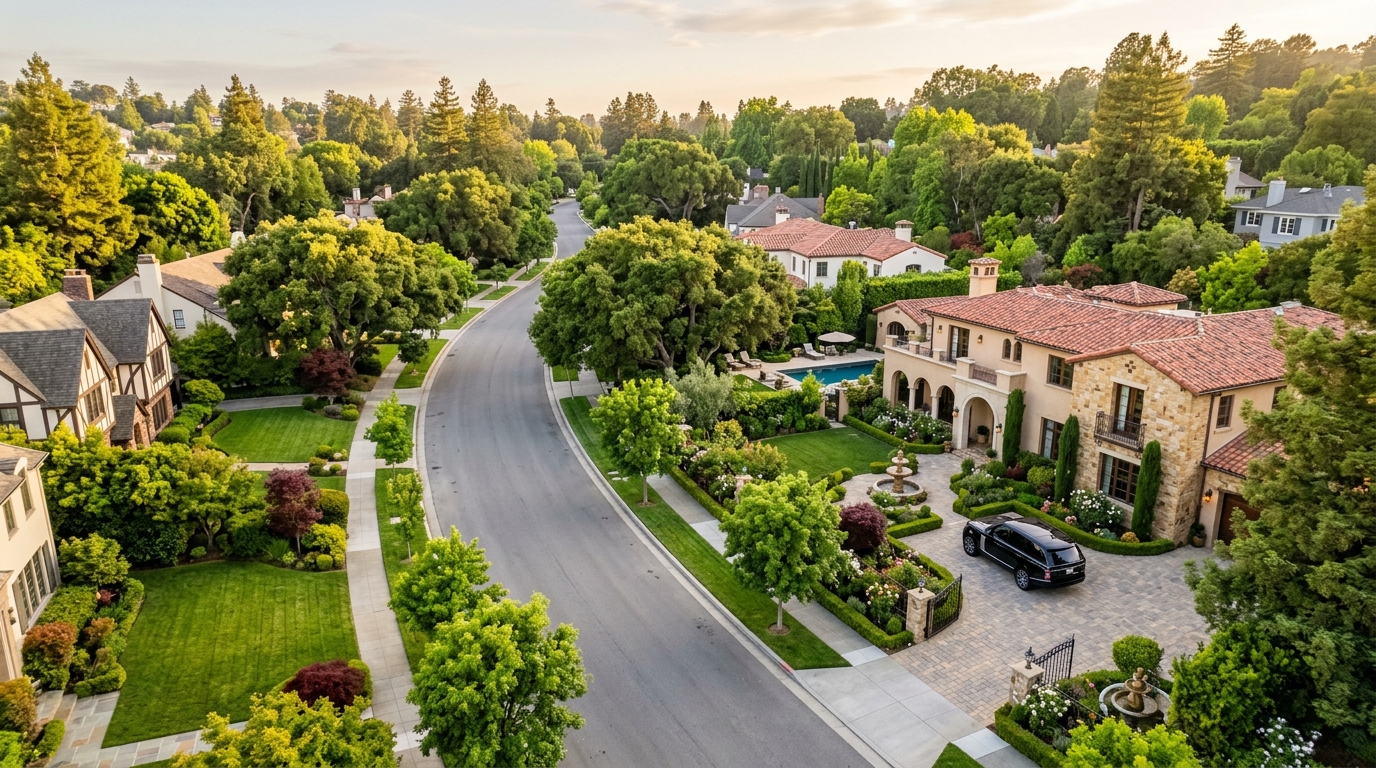

In the upper echelons of the luxury real estate market, the temptation to view property as a static store of wealth often obscures a critical reality: the liquidity threshold of an estate. Sophisticated participants frequently conflate high valuation with transactional ease, yet the reality of the $10M+ sector is governed by a distinct set of frictions. When we evaluate neighborhoods for long-term capital allocation, the most vital metric is not historical appreciation but the velocity of exit potential for assets that exceed the standard family residence in scale and complexity.
The current market landscape is witnessing a pivot toward properties that possess inherent functional adaptability. Legacy estates that were designed for singular, rigid domestic purposes are increasingly struggling to clear the liquidity threshold. Investors who prioritize assets with clear pathways for repurposing, whether through modular floor plans or flexible land-use entitlements, are effectively hedging against the inevitable shift in generational tastes. The ability of a property to transition from a private residence to an investment-grade asset is the primary determinant of its long-term resilience.
We must analyze the secondary market for oversized estates with the same rigor applied to commercial office space. A property that occupies a footprint so expansive that it requires a specialized buyer pool is, by definition, a constrained asset. The most successful investors in this space are those who identify neighborhoods where zoning ordinances and municipal planning allow for the subtle subdividing or professional utilization of accessory structures. These properties do not merely represent a lifestyle choice. They function as a diversified portfolio within a single deed, offering multiple levers for eventual liquidation.
Furthermore, the tax implications of holding non-liquid, high-value assets have shifted the focus toward neighborhoods that prioritize infrastructure investment over purely aesthetic development. Capital is increasingly migrating toward enclaves where municipal governance understands the importance of maintaining the tax-basis equilibrium. When a neighborhood permits the evolution of estate usage, it ensures that the property remains attractive to the next cohort of buyers, thereby preventing the stagnation that often plagues older, ultra-exclusive districts. It is a mistake to assume that prestige alone protects an asset from the effects of market obsolescence.
The sophisticated investor approaches the acquisition of a legacy estate as an exercise in risk management rather than a pursuit of architectural vanity. One must interrogate the history of transactional volume within a specific micro-market. If the properties in a given enclave typically change hands only once every two decades, the liquidity risk is elevated. Conversely, neighborhoods that maintain a healthy cadence of turnover among a diverse base of high-net-worth owners provide a more stable environment for capital preservation. Transactional velocity is the hidden floor beneath the asking price.
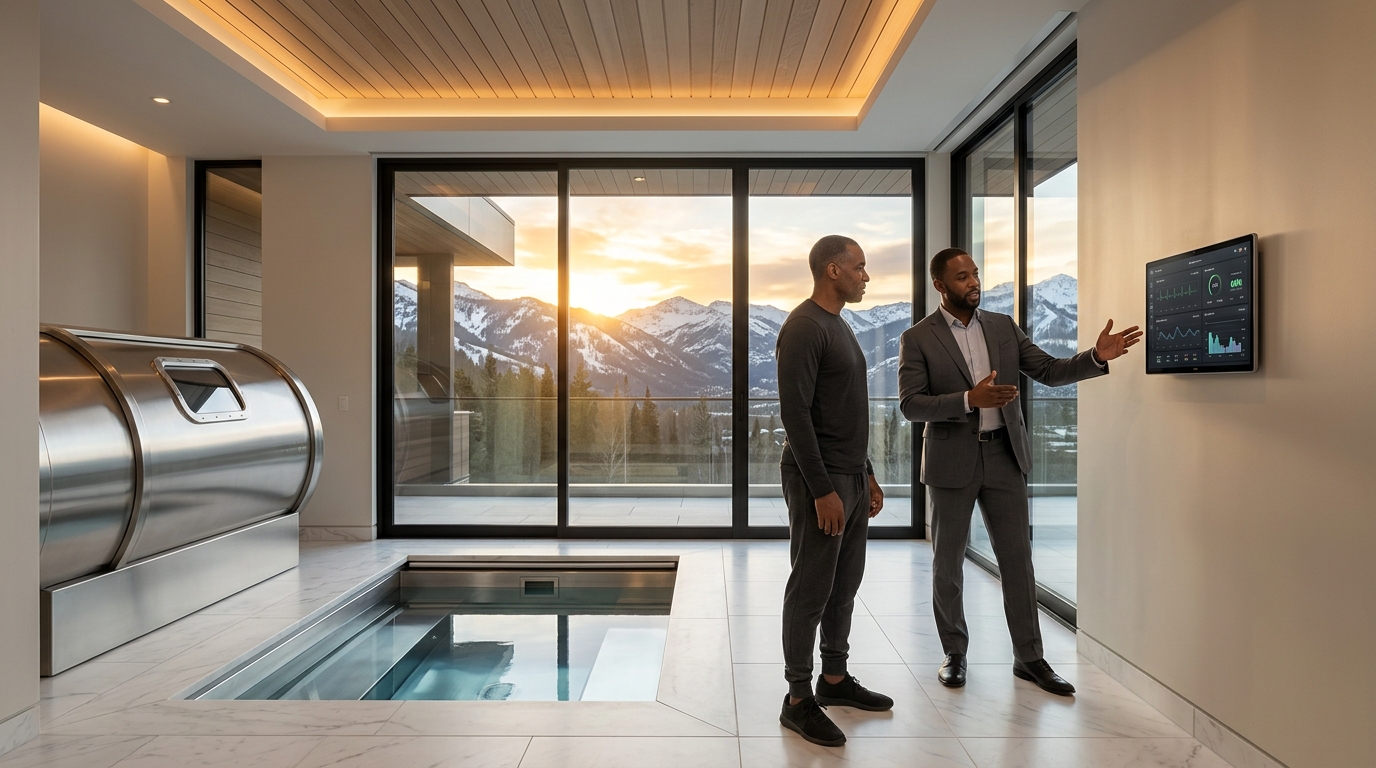
Consider the role of the estate manager and the operational overhead as a secondary tax on the investment. A property that demands a small workforce to maintain its pristine state is a drag on yield, particularly when the market enters a cooling phase. Investors are now favoring 'managed-efficiency' estates, which integrate advanced building automation and sustainable utility systems. These features reduce the long-term cost of carry, making the asset more palatable to a broader range of international and domestic buyers. When an asset is less expensive to maintain, it is inherently more liquid.
Ultimately, the objective is to decouple the value of the land from the complexity of the structure. In neighborhoods where the land-to-improvement ratio remains balanced, the investor is shielded from the costs of structural depreciation. We advise our readers to seek out corridors where the municipal planning department is forward-thinking regarding land density, as this flexibility is the ultimate insurance policy against the shifting sands of global luxury trends. True wealth preservation is not found in the permanence of the structure, but in the fluidity of its potential utility. By focusing on the liquidity threshold, one ensures that the estate remains an asset that serves the investor, rather than an obligation that anchors the portfolio to a declining legacy.