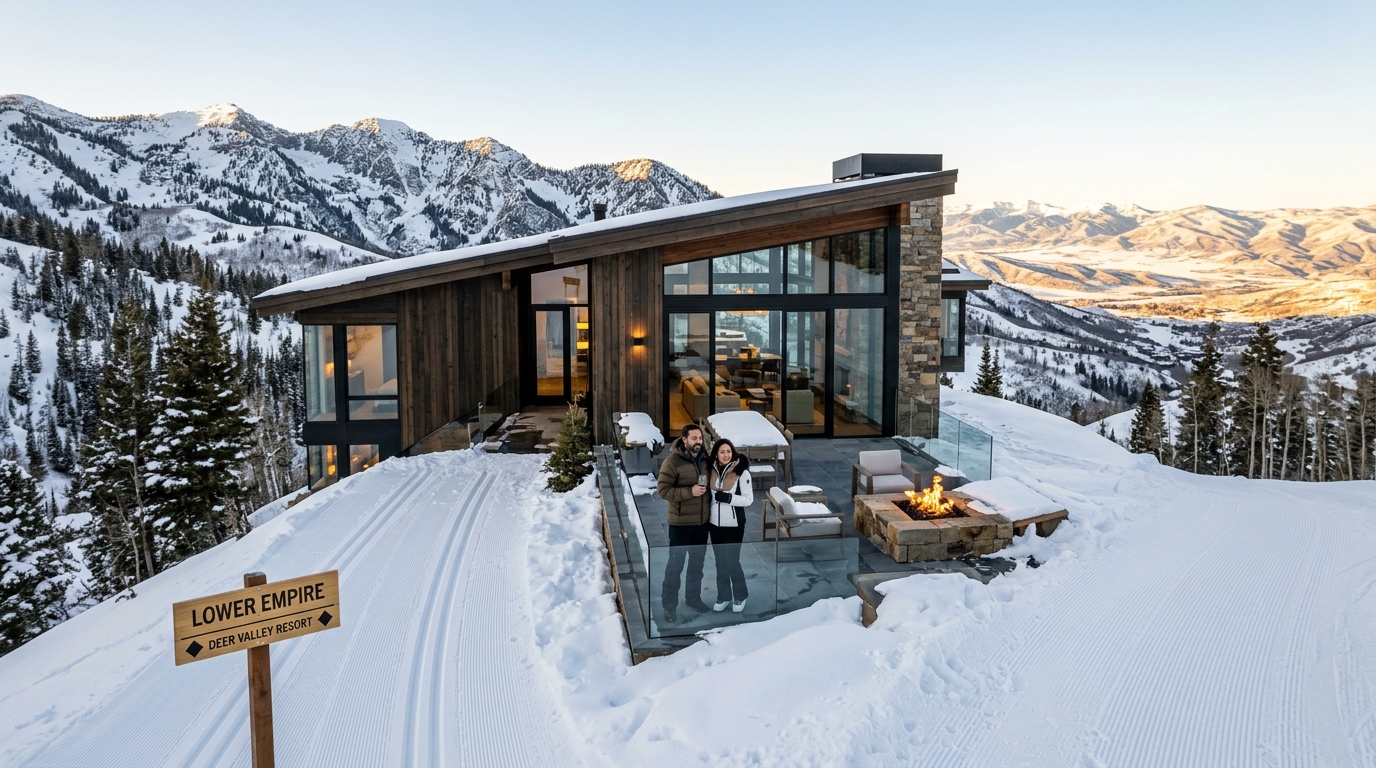
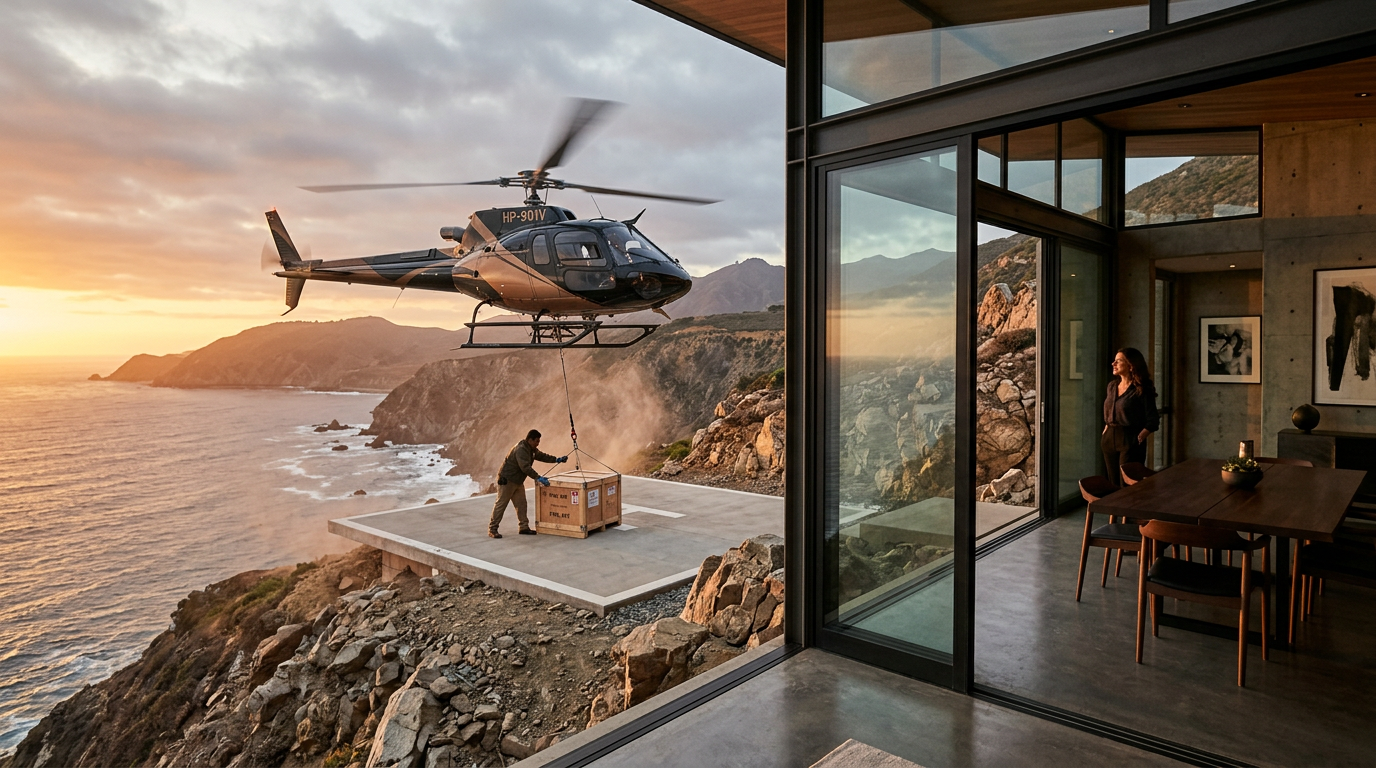
In the upper tiers of the market, the acquisition of a remote estate is frequently framed as an escape from the complexities of modern civilization. Whether situated in the high-altitude basins of the Rockies or along the fractured, rugged coastline of the Pacific Northwest, these assets promise a profound detachment from the noise of urban centers. However, the true measure of a successful remote estate is not its solitude but its operational resilience. The sophisticated owner understands that the distance from infrastructure is not a benefit, but a liability that requires a deliberate and costly logistics strategy to mitigate.
Operational autonomy is the ultimate luxury, yet it is often misunderstood as a passive state of existence. In reality, maintaining a high-net-worth residence in a remote environment necessitates the creation of a private, localized supply chain. When a property lies beyond the reach of standard municipal services, the owner must assume the role of an infrastructure manager. This involves the redundant implementation of power generation, water filtration, and waste management systems, all of which must function with institutional reliability. The failure of these systems does not merely cause inconvenience; it renders the asset uninhabitable and fundamentally diminishes its long-term market value.
The logistical burden of remote ownership extends far beyond the mechanical. Consider the human capital required to sustain a primary or secondary residence in an isolated corridor. Maintaining a household staff, security detail, and groundskeeping crew in areas with limited local labor pools requires a radical departure from traditional employment models. Owners must prioritize the creation of robust housing and transportation support for their personnel. Without this investment, the estate becomes vulnerable to the volatility of external contractors and the scarcity of local services. The most successful portfolios treat these human systems as a core component of the property management budget, ensuring that the estate can function regardless of the external economic climate.
The concept of just-in-time delivery is antithetical to remote estate management. An asset that relies on the daily arrival of goods is inherently fragile. Instead, the sophisticated owner adopts a strategy of long-term stockpiling and resource management that mirrors corporate inventory control. This includes the onsite storage of fuel, non-perishable provisions, and specialized replacement parts for complex technical systems. This approach to resilience turns the remote estate into a self-contained organism, capable of weathering the inevitable disruptions that occur when geographic isolation is chosen over convenience. It is an exercise in foresight that separates the amateur collector from the seasoned steward of luxury assets.
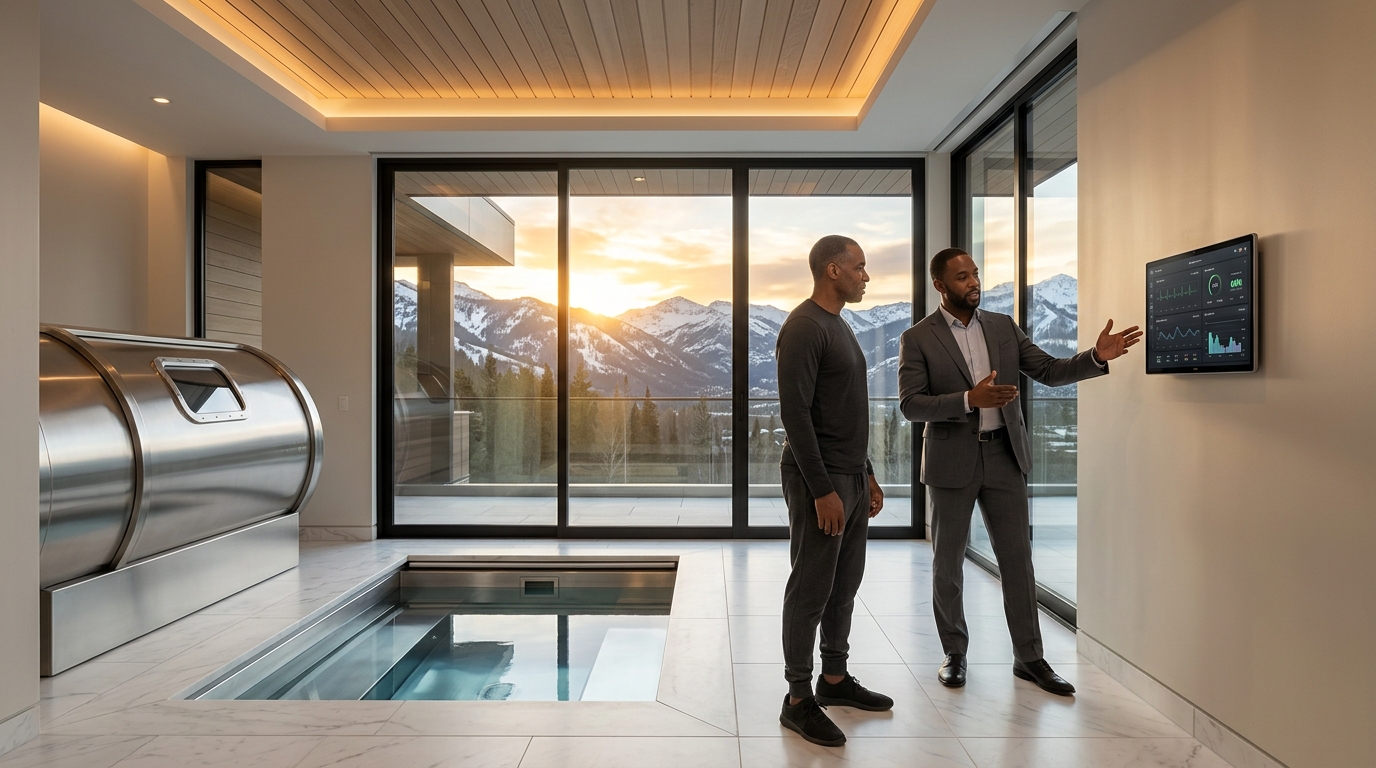
Security in remote environments also requires a shift in perspective. Without the presence of municipal emergency services, the estate must internalize its safety protocols. This necessitates the integration of high-fidelity sensor arrays and secure communication links that bypass standard terrestrial networks. The goal is not just the protection of physical assets, but the preservation of the ability to manage the estate from anywhere in the world. When an owner can monitor the thermal efficiency of a remote greenhouse or the status of an off-grid power plant from a terminal in a distant city, they have achieved a level of control that justifies the complexity of the acquisition.
Ultimately, the value of a remote retreat is contingent upon the owner's willingness to engage with the technical realities of their environment. Those who view their holdings as static objects will inevitably face the erosion of their investment. Those who recognize that remote luxury is a dynamic, high-stakes logistical operation will find that their assets appreciate in both quality and utility. The ability to maintain an island of order within a wilderness of uncertainty is the final frontier of private ownership. It is a demanding, rigorous discipline, yet it remains the only path for those who seek to balance the isolation of nature with the uncompromising standards of modern elite living.