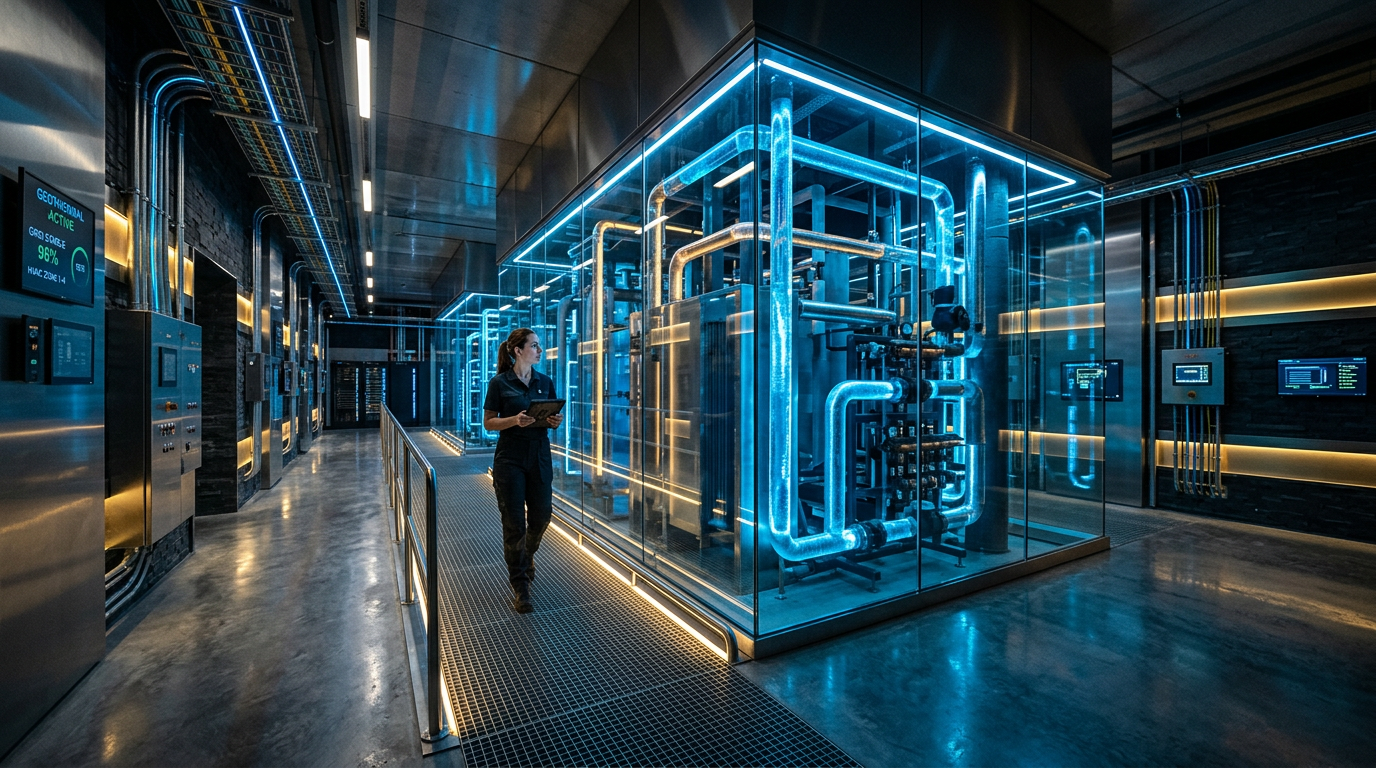
In the upper echelons of residential real estate, the conversation frequently centers on location, aesthetics, or the historical pedigree of a structure. While these factors contribute to the social currency of an asset, they offer little protection against the silent erosion of utility. Sophisticated capital is now shifting its gaze toward a more technical metric: operational resilience. An estate that relies on the fragile connectivity of public infrastructure is fundamentally a leasehold on municipal stability. Conversely, an asset engineered for technical autonomy represents a hedge against the systemic volatility inherent in modern utility grids.
The true value of a luxury asset is now measured by its capacity to function in isolation. This is not merely a matter of auxiliary power or secondary water sources. It is the integration of closed-loop systems that manage energy storage, waste reclamation, and advanced climate control without external intervention. When a property is physically decoupled from the vulnerabilities of the public sector, it achieves a form of operational alpha that traditional valuations struggle to quantify. Investors who recognize the difference between a house that is merely finished and one that is technically hardened are securing an asymmetric advantage in the luxury market.
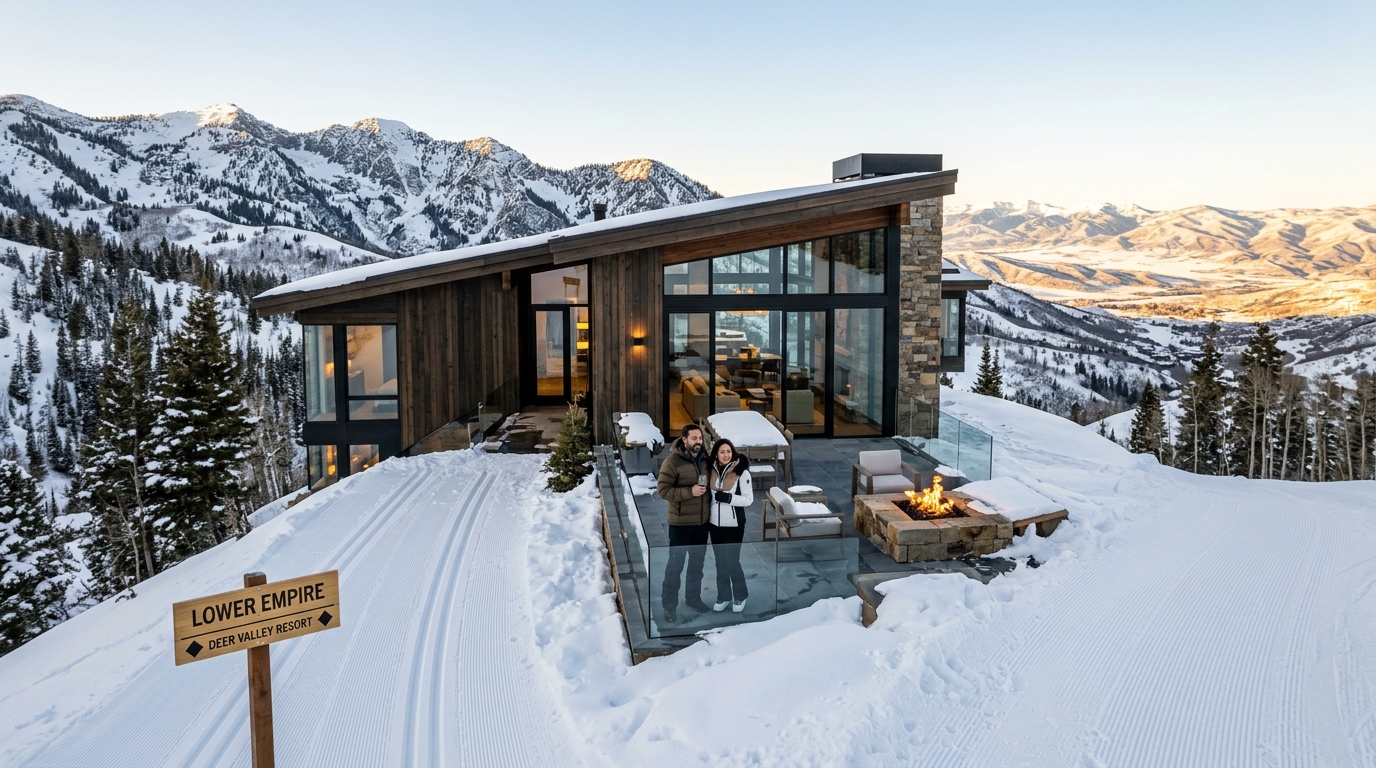
Consider the logistical complexity of maintaining a large-scale estate in the remote, high-altitude regions of the West. The cost of failure is not simply a matter of inconvenience. It is an immediate and catastrophic loss of asset integrity. When climate control systems fail in extreme environments, the degradation of high-end finishes, structural integrity, and art collections occurs with startling velocity. Investors who prioritize the engineering of micro-grids and autonomous climate management are essentially insuring their capital against the externalities of the public grid. This is not speculative; it is a fundamental reconfiguration of the risk profile associated with remote luxury living.
The marketplace has historically discounted the cost of these systems, often treating them as capital expenditures that do not yield direct returns. This is an analytical error. These systems serve as the bedrock of the property’s longevity. When the time comes to divest, the asset that provides a seamless, uninterrupted living experience commands a premium that far exceeds the initial investment in its infrastructure. Prospective buyers at the highest end of the spectrum are increasingly demanding evidence of technical redundancy. They are seeking properties that function as private, sovereign ecosystems. The ability to guarantee environmental stability regardless of external conditions is the ultimate luxury, and it is becoming the primary driver of value in the most desirable enclaves.
Structural independence is the ultimate hedge against market ambiguity. As public infrastructure faces increasing pressure from demand and age, the delta between estates that are fully autonomous and those that are dependent will continue to widen. Investors should evaluate potential acquisitions through the lens of their mechanical dependency. If an estate requires a constant flow of external resources to maintain its internal state, it is inherently vulnerable. If it is designed to manage its own requirements, it is an autonomous wealth container. This distinction is the difference between an asset that requires constant management and one that preserves itself.
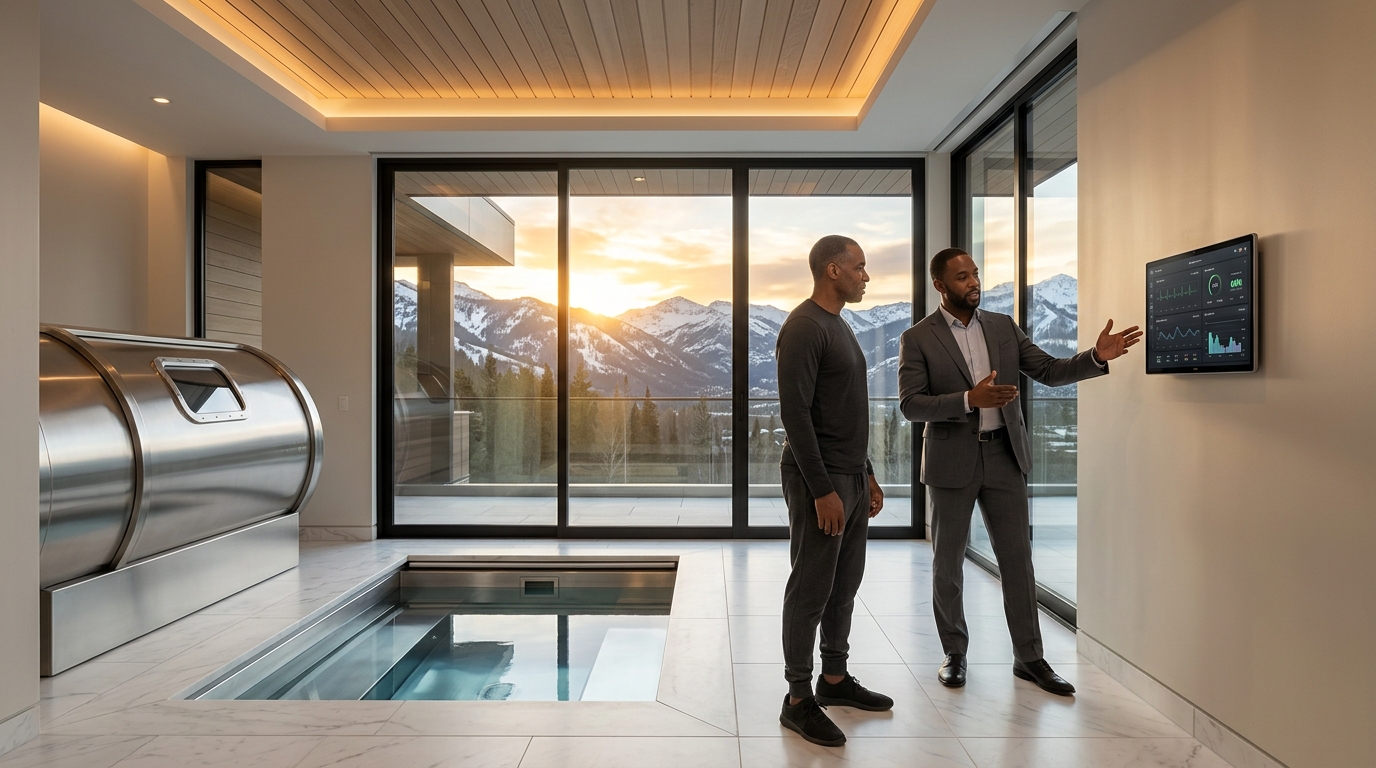
The most astute market participants are now conducting technical audits alongside standard legal and financial due diligence. They are reviewing the redundancy of power distribution, the capacity of autonomous water filtration, and the integration of smart-grid feedback loops. This rigor allows the investor to strip away the surface-level marketing and evaluate the estate as a machine. In a world characterized by increasing logistical friction, the machine that operates with the least reliance on external inputs will always retain the greatest residual value. This is the new frontier of sophisticated real estate investment, where the structural integrity of the home is defined by its ability to endure in a state of total, self-sustaining grace.