The acquisition of a trophy estate is often framed as a triumph of lifestyle or a milestone of capital accumulation. Yet, for the sophisticated investor, the acquisition is merely the commencement of a complex industrial operation. When transacting in the eight-figure range, the residential asset ceases to be a dwelling and begins to function as a private enterprise. Investors who approach these properties with the same rigor they apply to commercial holdings recognize that the purchase price is only the initial capital expenditure. The true valuation must account for the persistent, often compounding, operational overhead inherent in maintaining a high-performance residential machine.
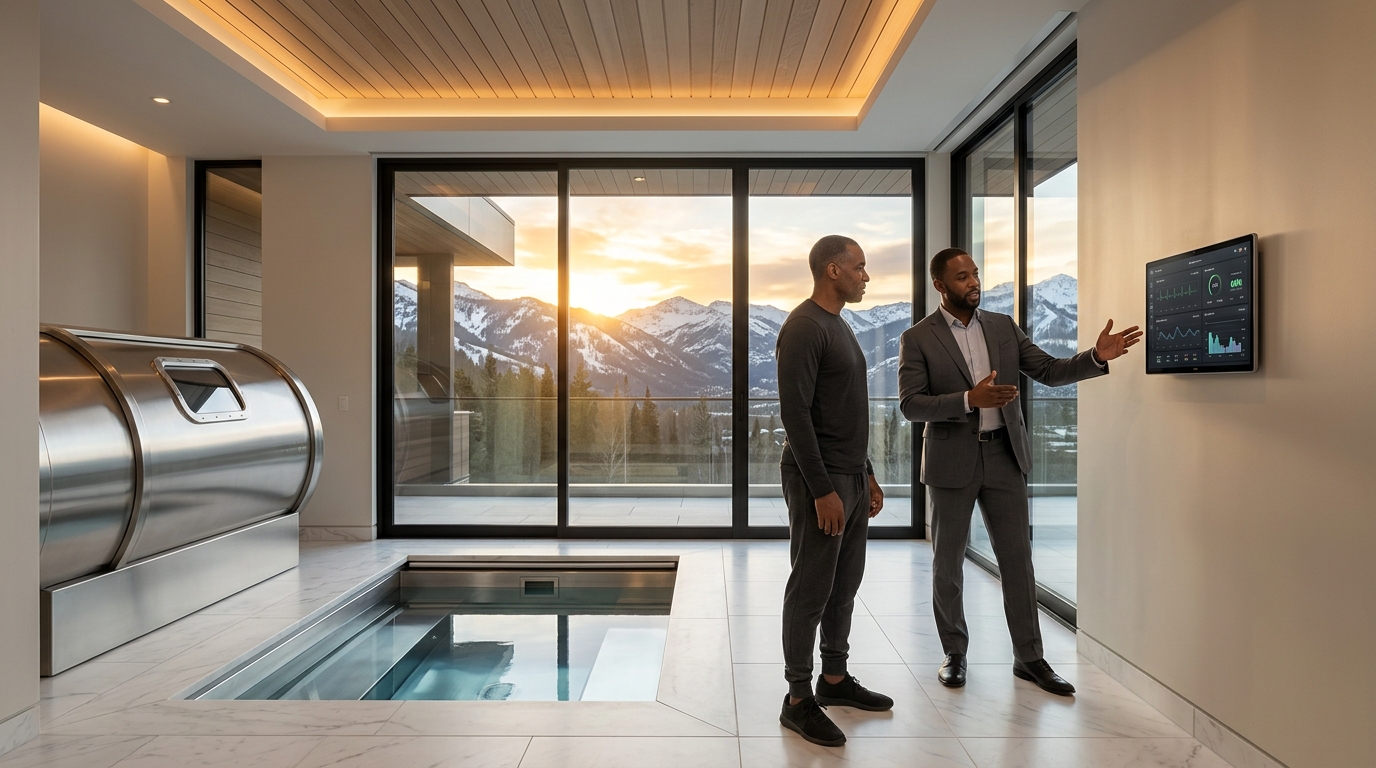
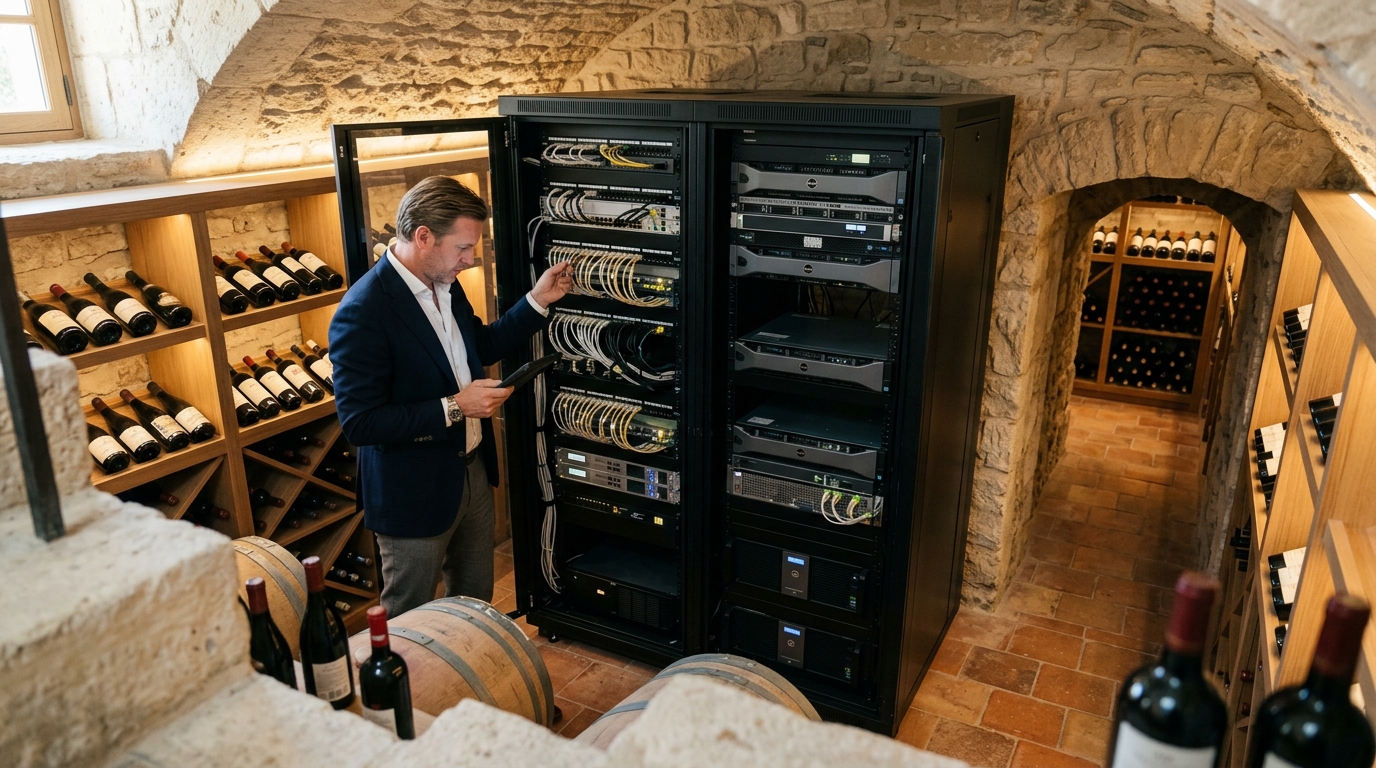
The hidden costs of extreme complexity represent the most significant oversight among high-net-worth buyers. Modern luxury estates rely on integrated building management systems that rival small corporate campuses. These systems control climate, lighting, security, and specialized environmental preservation for art collections or wine cellars. Unlike a standard residence, the failure of a single component within an integrated stack can result in a catastrophic cascade. Maintaining this technological infrastructure requires a dedicated tier of specialized vendors who operate at a premium. Investors must audit the existing service contracts and historical maintenance logs as if they were performing due diligence on a commercial property acquisition.
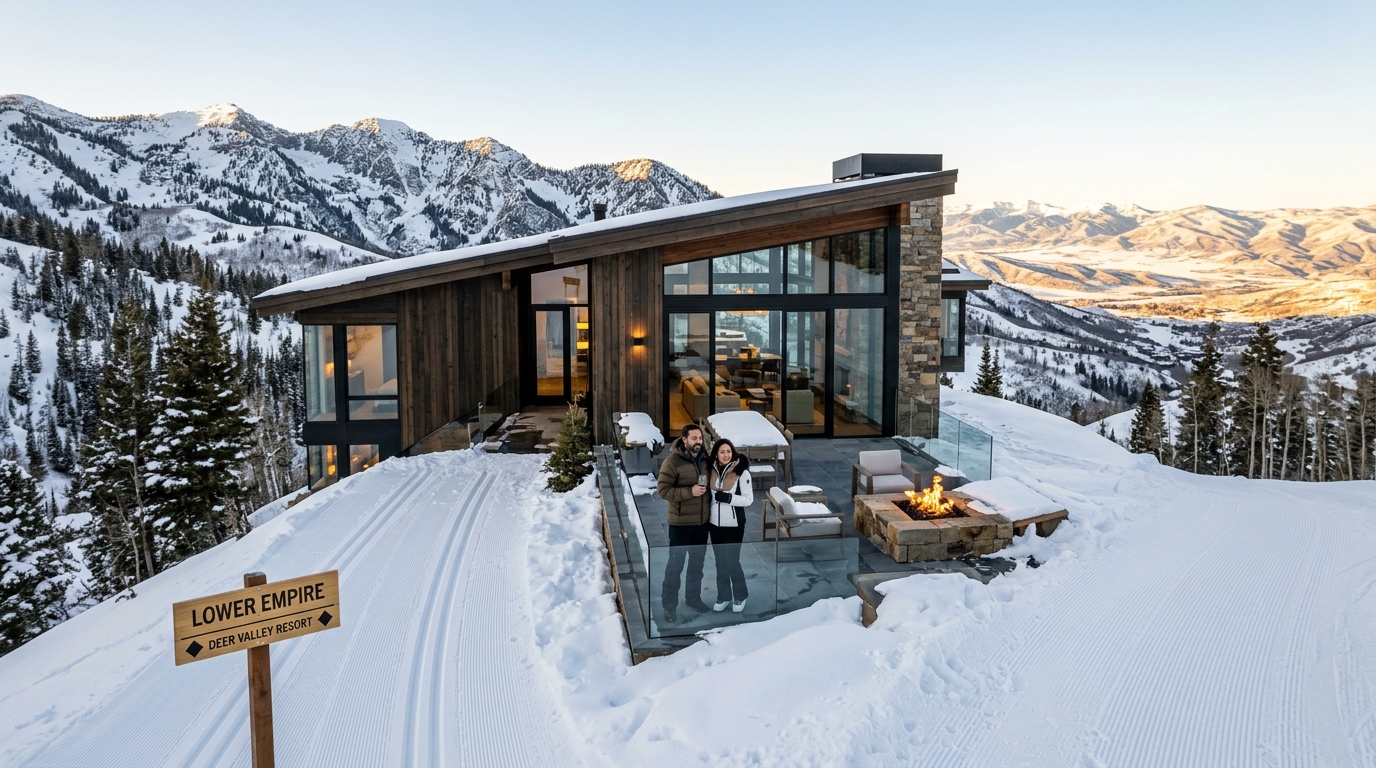
Capital reserves for institutional maintenance are rarely factored into the acquisition model by prospective buyers. A common error is the assumption that a property in pristine condition requires only standard upkeep. In reality, the materials utilized in elite construction, from imported limestone facades to custom-engineered kinetic glass systems, possess their own depreciation schedules. Weathering in coastal or mountain environments accelerates this decay. Sophisticated buyers should mandate a detailed lifecycle analysis of all major building systems. This document serves as a roadmap for future capital outflows, ensuring that the owner is not blindsided by the inevitable replacement of bespoke components that lack ready-made, off-the-shelf alternatives.
The human capital requirement is another variable that dictates the long-term viability of an estate. A property of this caliber requires a professional management structure, often including estate managers, security details, and horticulturalists. The cost of labor is not simply the sum of salaries. It involves the insurance premiums, liability coverage, and the administrative burden of managing a specialized workforce. An estate that is improperly managed loses value at an exponential rate. Investors should view these human capital costs not as discretionary spending, but as essential insurance for the underlying asset. A failure to staff a property appropriately is a failure to protect the principal investment.
Risk mitigation through redundancy is the hallmark of the experienced owner. In the commercial sector, investors prioritize uptime and business continuity. The same logic applies to luxury residential assets. If a primary power grid or water filtration system fails, the asset’s utility drops to zero. Consequently, owners must invest in redundant systems, from backup power generation to secondary water sourcing and enhanced cybersecurity protocols. These features are not luxury add-ons. They are structural necessities that preserve the property's ability to function as a residence. Buyers who attempt to optimize for lower operational costs by cutting these redundancies increase their exposure to significant, unhedged risk.
Ultimately, the successful acquisition of a trophy estate requires a departure from sentimental valuation. It necessitates a cold, analytical assessment of the property as an operational entity. The most astute investors demand a comprehensive audit of the estate’s mechanical, structural, and administrative health before the transition of title. They understand that the goal is not merely to own the asset, but to govern its performance over time. By shifting the focus from the aesthetic allure to the operational reality, the investor secures not just a residence, but a stable, high-performance asset that maintains its integrity against the inevitable friction of time and environment.