
The traditional paradigm of luxury real estate ownership relied upon the assumption of passive appreciation. Investors purchased a plot, secured the improvements, and waited for market cycles to validate their equity position. This model is becoming insufficient for the sophisticated allocator. In the current economic climate, the most resilient portfolios are those that treat residential assets not as static shelters, but as integrated operational enterprises. By internalizing the supply chain of property management and service delivery, owners are effectively insulating their capital from the inflationary pressures that inevitably erode the net yield of trophy assets.
Vertical integration in the context of high-end residential holdings refers to the deliberate consolidation of property maintenance, utility management, and hospitality logistics under the direct control of the asset owner or a dedicated family office entity. When an estate relies upon third-party vendors for critical operational functions, the owner is subject to the volatility of labor markets, supply chain disruptions, and the inherent inefficiency of decentralized service contracts. Conversely, the owner who moves to bring these functions in-house transforms a variable expense liability into a controlled, high-performance machine. This is not merely an exercise in cost reduction. It is a strategic move to optimize the operational throughput of the asset.
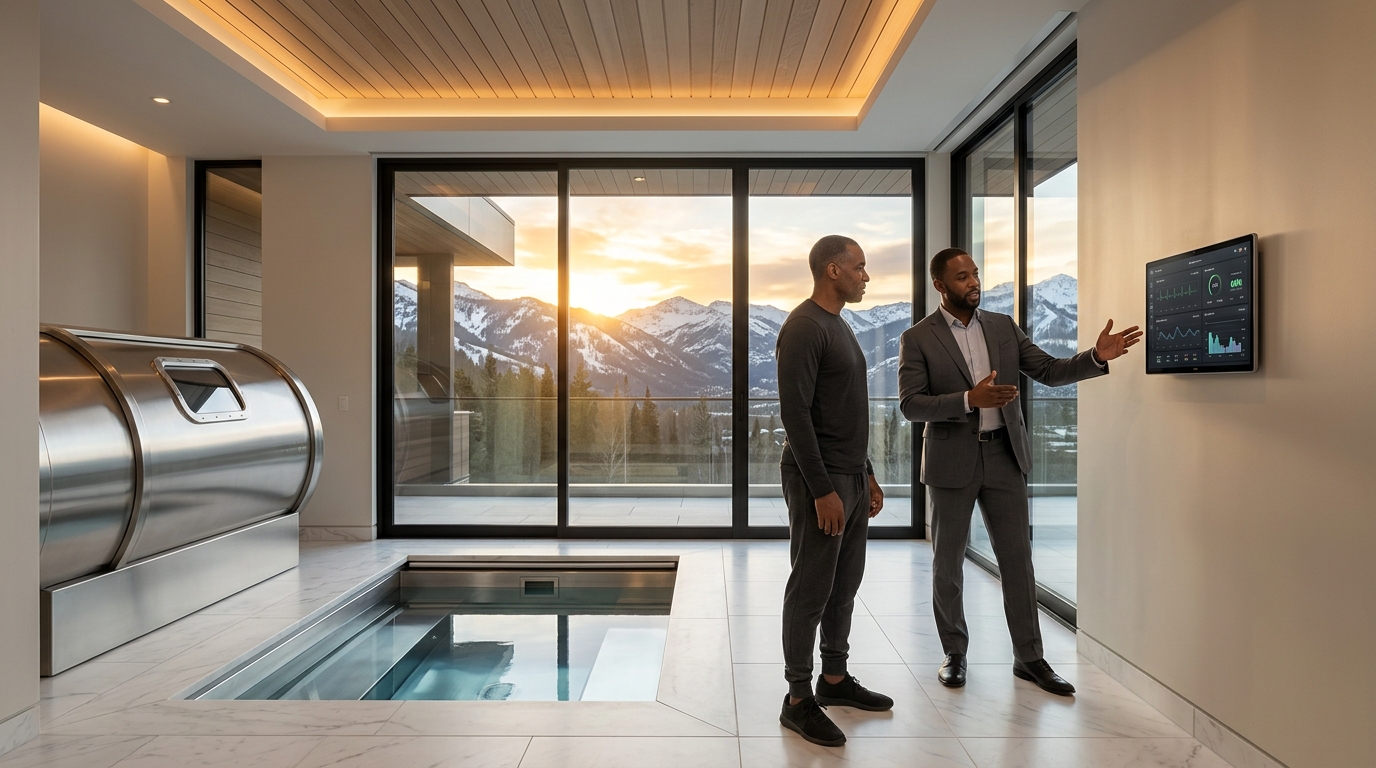
Consider the logistical complexity of maintaining a multi-acre estate in a remote mountain or coastal enclave. A dispersed network of contractors and property managers creates significant information asymmetry. The owner rarely possesses a granular understanding of the building’s health until a failure occurs, leading to reactive capital expenditures. By contrast, an integrated operational model utilizes proprietary monitoring systems and a retained, specialized workforce. This creates a feedback loop where maintenance is predictive rather than reactive. The result is a substantial extension of the asset's useful life and a measurable improvement in the quality of the living environment. Institutional investors understand that the difference between a depreciating structure and an appreciating asset often lies in the quality of its ongoing stewardship.
Furthermore, the integration of service delivery allows for the creation of proprietary hospitality ecosystems. High-net-worth individuals are increasingly demanding that their residences function with the efficacy of private clubs. When an owner controls the entire service stack, from specialized estate management to procurement of luxury goods and security, the residence becomes a platform for private capital deployment. This reduces the friction associated with lifestyle management and allows the owner to reallocate their most precious commodity, which is time, toward more productive investment pursuits. The secondary benefit is the enhancement of the estate’s brand equity. A property that is demonstrably well-managed under a unified, bespoke operational standard commands a distinct premium in a transaction environment where buyers are increasingly skeptical of deferred maintenance and administrative chaos.
The shift toward vertical integration also provides a hedge against geopolitical and economic uncertainty. When a residence is engineered to operate with a degree of autonomy, it becomes a sanctuary in the literal sense. The ability to manage energy consumption, water security, and secure communication channels internally ensures that the estate remains functional regardless of the state of local infrastructure. This is the ultimate form of wealth defense. By reducing dependence on external systems, the investor minimizes the impact of localized outages or broader socio-economic instability. In the calculus of long-term wealth preservation, this operational independence is as vital as the legal title itself.
Ultimately, the transition from passive ownership to active, integrated stewardship represents the professionalization of the residential sector. Investors who continue to view their properties as passive assets are essentially leaving value on the table, surrendered to the inefficiencies of the market. Those who recognize the residence as a vertical operation, governed by the same rigorous standards as a corporate entity, will secure a competitive advantage that survives market cycles. The future of luxury real estate belongs to those who understand that the value of an asset is inextricably linked to the sophistication of its internal management. The era of the hands-off homeowner is nearing its end, replaced by the era of the residential executive.