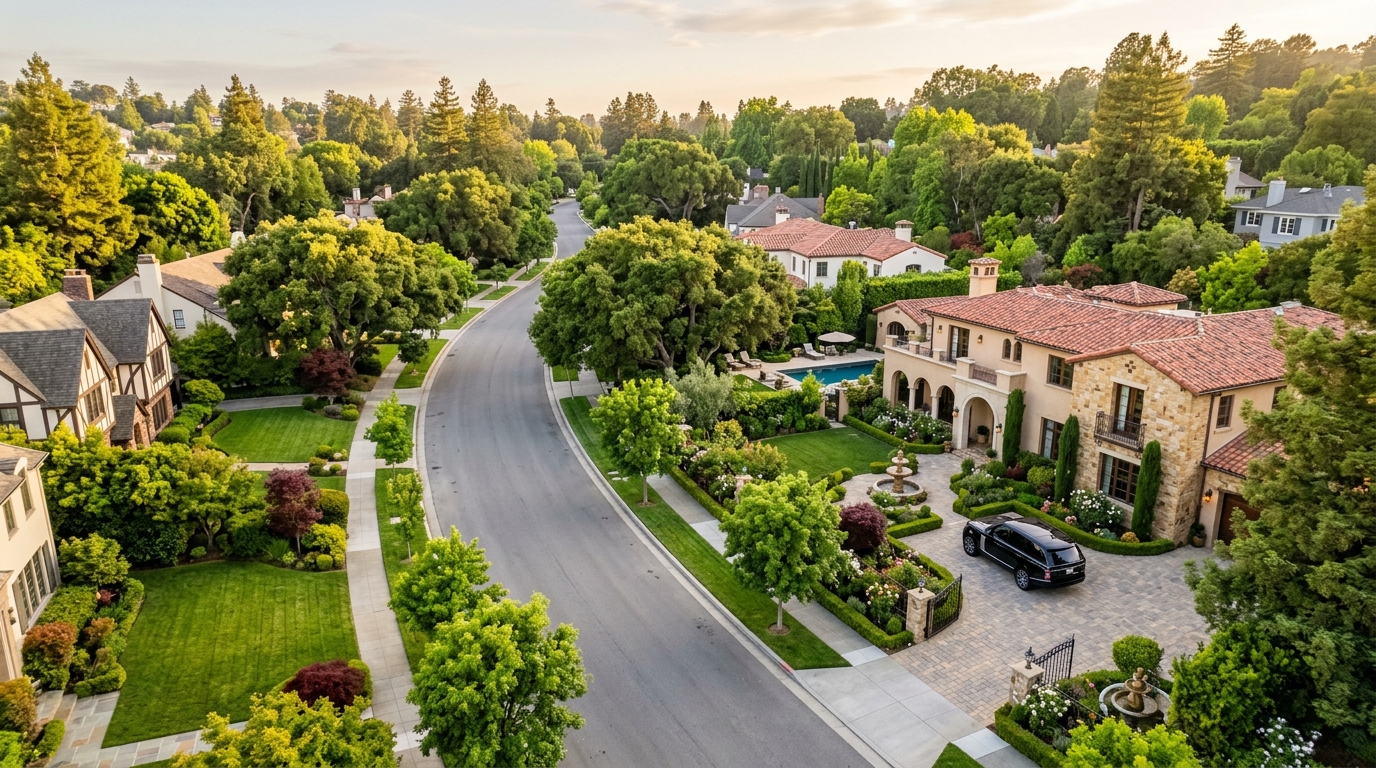
In the upper echelon of residential investment, the traditional metrics of valuation—square footage, acreage, and structural finishes—are increasingly viewed as baseline prerequisites rather than drivers of alpha. The sophisticated investor recognizes that a property is not a self-contained island of value. Instead, the true long-term performance of a luxury asset is tethered to the cultural topography of its surroundings. This concept transcends simple proximity to amenities or retail clusters. It refers to the deliberate, organic concentration of high-velocity human capital that sustains the relevance of a neighborhood across multiple market cycles.
When we examine the most resilient corridors along the West Coast and within the mountain regions, we observe a pattern that defies standard real estate cycles. Neighborhoods that maintain their status do not do so through aesthetic uniformity or zoning protections alone. They succeed because they function as ecosystems for influential thought. These enclaves attract individuals who are not merely seeking a residence, but are actively curating the environment in which they live and work. This social density creates a self-reinforcing loop where the neighborhood becomes a requisite hub for global networking, ensuring that demand remains inelastic even when broader macroeconomic conditions soften.
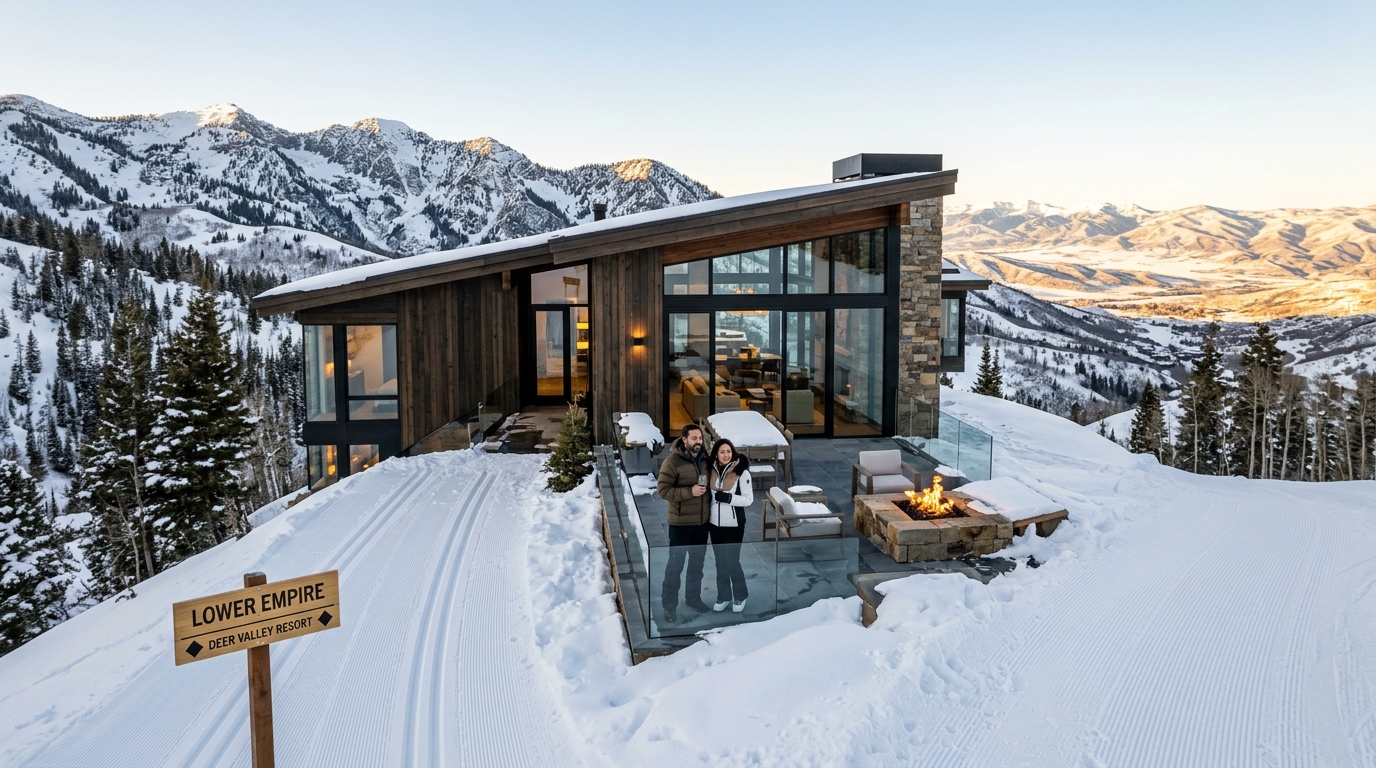
Investors must differentiate between markets that are driven by transient, lifestyle-based migration and those anchored by deep-rooted cultural influence. A resort town might see significant price appreciation during periods of high liquidity, but its value proposition is often fragile, susceptible to shifts in travel trends or economic contraction. Conversely, an enclave defined by its role as a nexus for scientific, artistic, or entrepreneurial advancement possesses a structural floor that is difficult to erode. The residents of these areas are not passive occupiers. They are active stakeholders in the preservation of the neighborhood's intellectual prestige, often exerting influence over local institutions, school boards, and philanthropic foundations. This stewardship of social capital is the silent engine of asset stability.
The risk for the modern buyer lies in mistaking popularity for value. High-volume transactions and media-hyped developments can create an illusion of permanence where none exists. True cultural topography is rarely manufactured by developers. It is built over decades through the accumulation of individuals who hold shared professional or creative interests. When evaluating a potential acquisition, the investor should look beyond the property line to analyze the composition of the resident base. Are the neighbors mere occupants of capital, or are they active contributors to a specific field of influence? If the former, the asset remains exposed to the whims of market sentiment. If the latter, the property gains a layer of protection that is inherently immune to cyclical volatility.
Furthermore, the persistence of cultural relevance acts as a hedge against the obsolescence of architectural trends. A home may require significant renovation to meet contemporary standards of luxury, but if it is situated within a high-density zone of intellectual influence, the underlying land value remains insulated. The cost of modernization is merely a capital expenditure to optimize an asset that is already positioned at the center of a gravity well. In contrast, even the most exquisitely designed estate will suffer a decay in value if it resides in a neighborhood that loses its gravitational pull on the demographic it once served.
Discerning investors are now pivoting toward the identification of these nascent nodes of influence. This requires a granular understanding of how social and professional networks migrate. It is not enough to identify where the capital is today. One must anticipate the geographic shifts of the next cohort of thought leaders. These shifts are often signaled by the relocation of key research centers, the founding of private academic initiatives, or the emergence of quiet, non-commercial cultural hubs that appeal to the intellectually curious rather than the merely affluent. By aligning an investment strategy with these evolving clusters, the buyer secures more than a residence. They secure a position within a network that effectively guarantees the asset's long-term liquidity and stature. In the final analysis, the most durable real estate portfolio is one that recognizes the home as a secondary consideration to the cultural ecosystem that surrounds it.