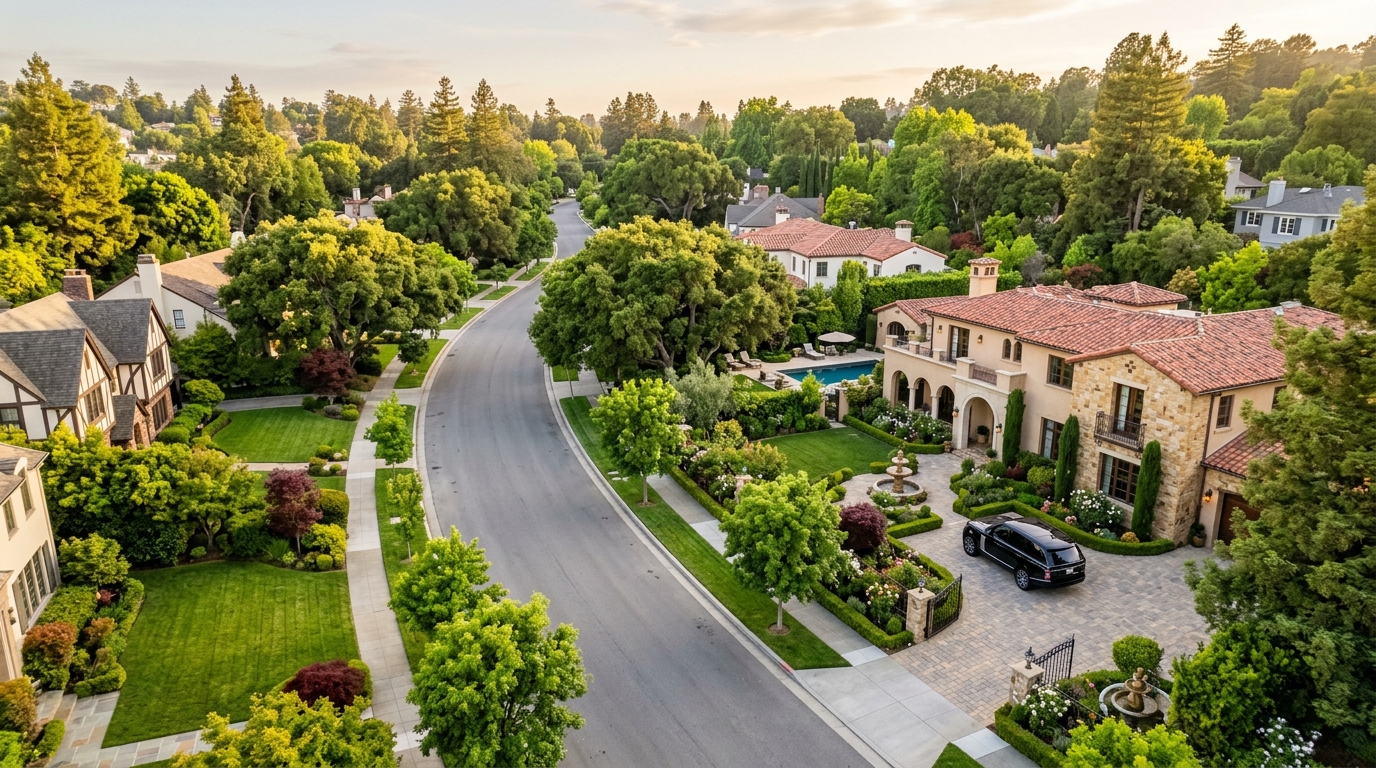
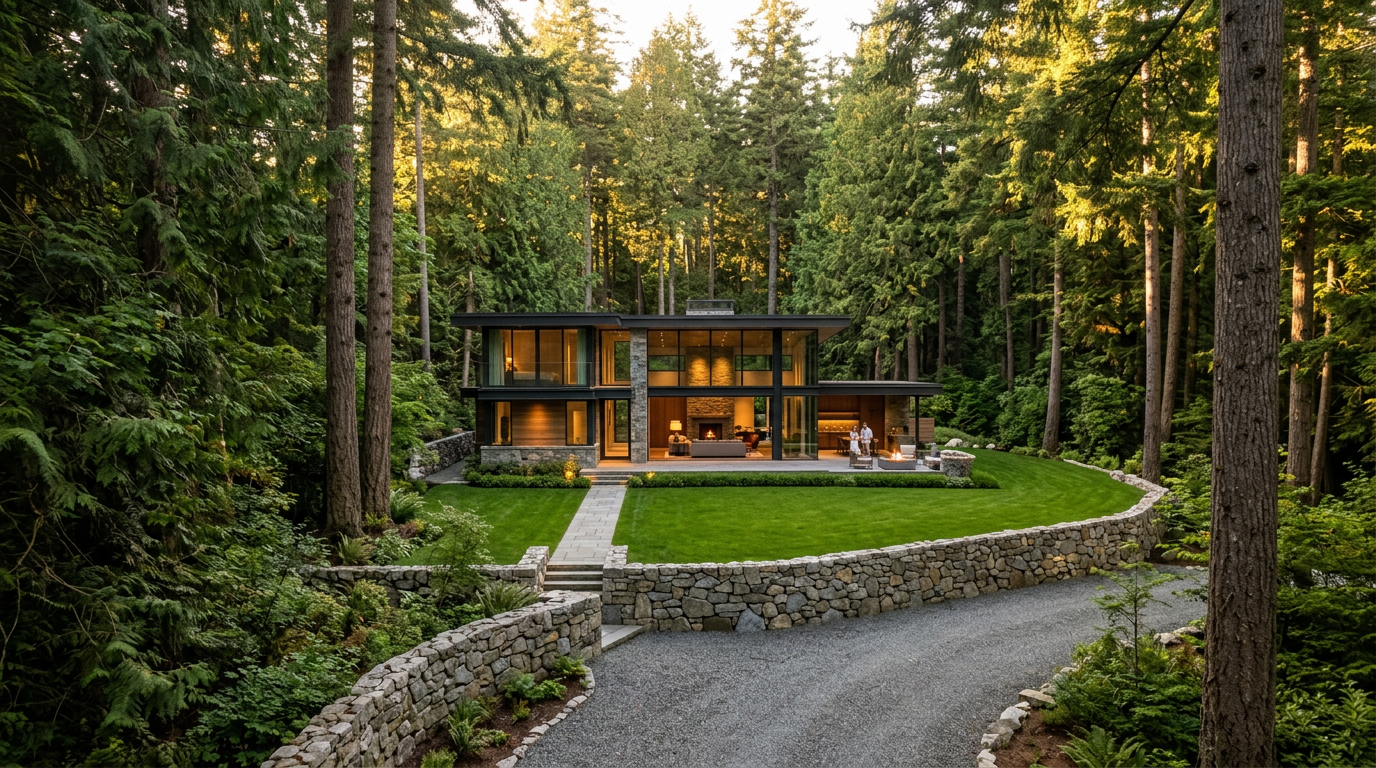
In the traditional hierarchy of luxury real estate, the epicenter has long been the primary objective. Buyers historically competed for proximity to the town square, the boutique retail corridor, or the gated clubhouse. This centralization was predicated on the convenience of access and the social utility of being within walking distance of one’s peers. However, a structural shift is underway among the most sophisticated private wealth portfolios. The modern valuation model is no longer tethered to the convenience of the center, but rather to the absolute, uncompromised silence of the perimeter.
The premium on isolation has eclipsed the premium on access. As urban density increases and high-net-worth individuals seek to insulate their domestic lives from the encroaching friction of public life, the most coveted assets are no longer the trophy properties on the main thoroughfare. Instead, capital is migrating toward the edges of established master-planned communities and the rural-urban interface where property lines are defined by topography rather than neighbors. This is the era of perimeter privacy, a trend that prioritizes the acoustic and visual buffer of a property over the convenience of a five-minute commute to the local cafe.
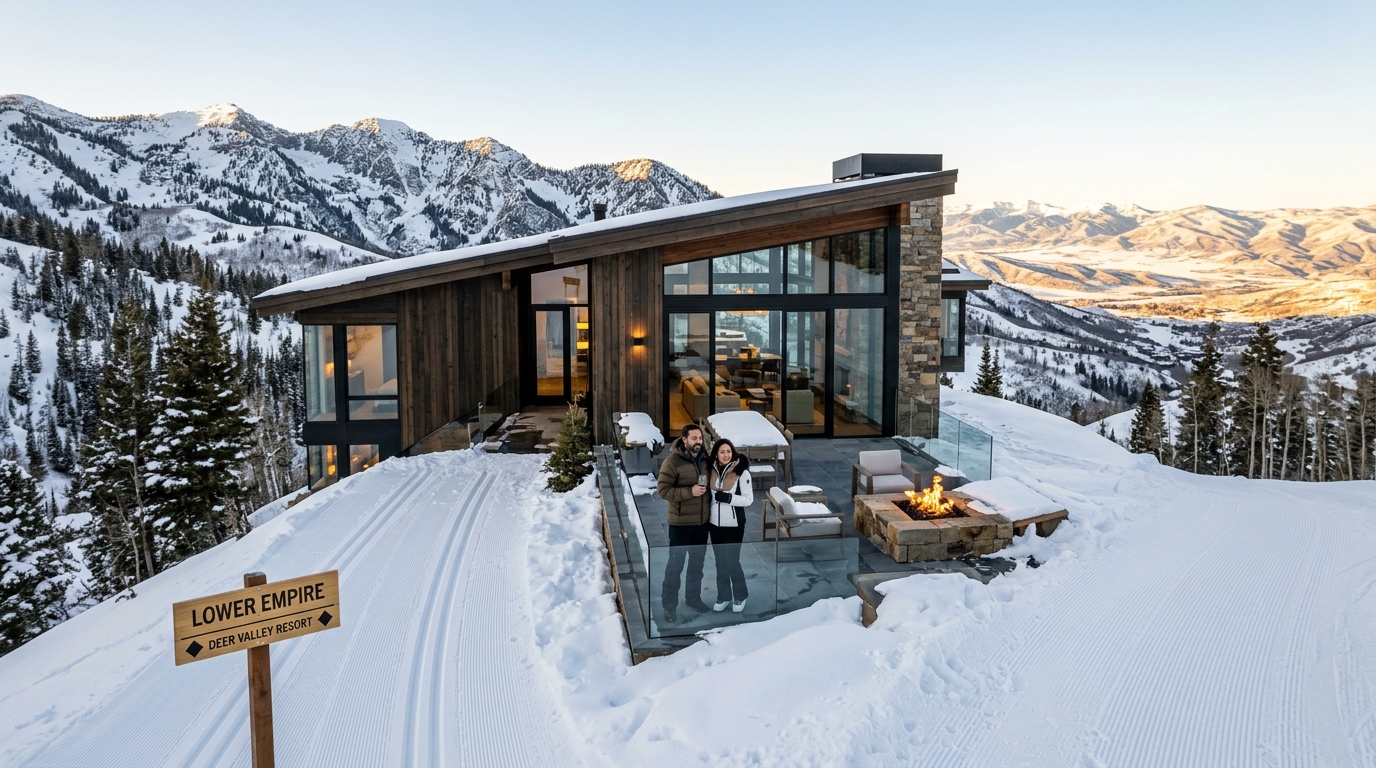
When evaluating a potential acquisition, the investor must look beyond the square footage of the primary structure. The true value lies in the depth of the parcel and the nature of the contiguous landscape. In the mountain and coastal markets, a property that shares a boundary with a permanent conservation easement or a steep, non-buildable incline holds a distinct advantage. These buffers provide a form of institutional-grade security. They ensure that the quietude of the estate cannot be compromised by future development. While a buyer may pay a premium for a central address, they often find that the long-term appreciation of that asset is hampered by the inevitable noise and congestion that follow proximity.
Investors should view the perimeter not as a sacrifice of convenience, but as a strategic hedge against the degradation of property utility. A home that is shielded by a natural sound barrier or a significant setback from public infrastructure remains immune to the volatility of local development cycles. Privacy is the ultimate luxury good, and unlike interior finishes or architectural trends, it cannot be manufactured or retrofitted. It is a function of land configuration. Properties that offer deep setbacks, long private driveways, and natural visual obscuration command a higher liquidity ceiling because they appeal to the buyer who views their home as a sanctuary rather than a social staging ground.
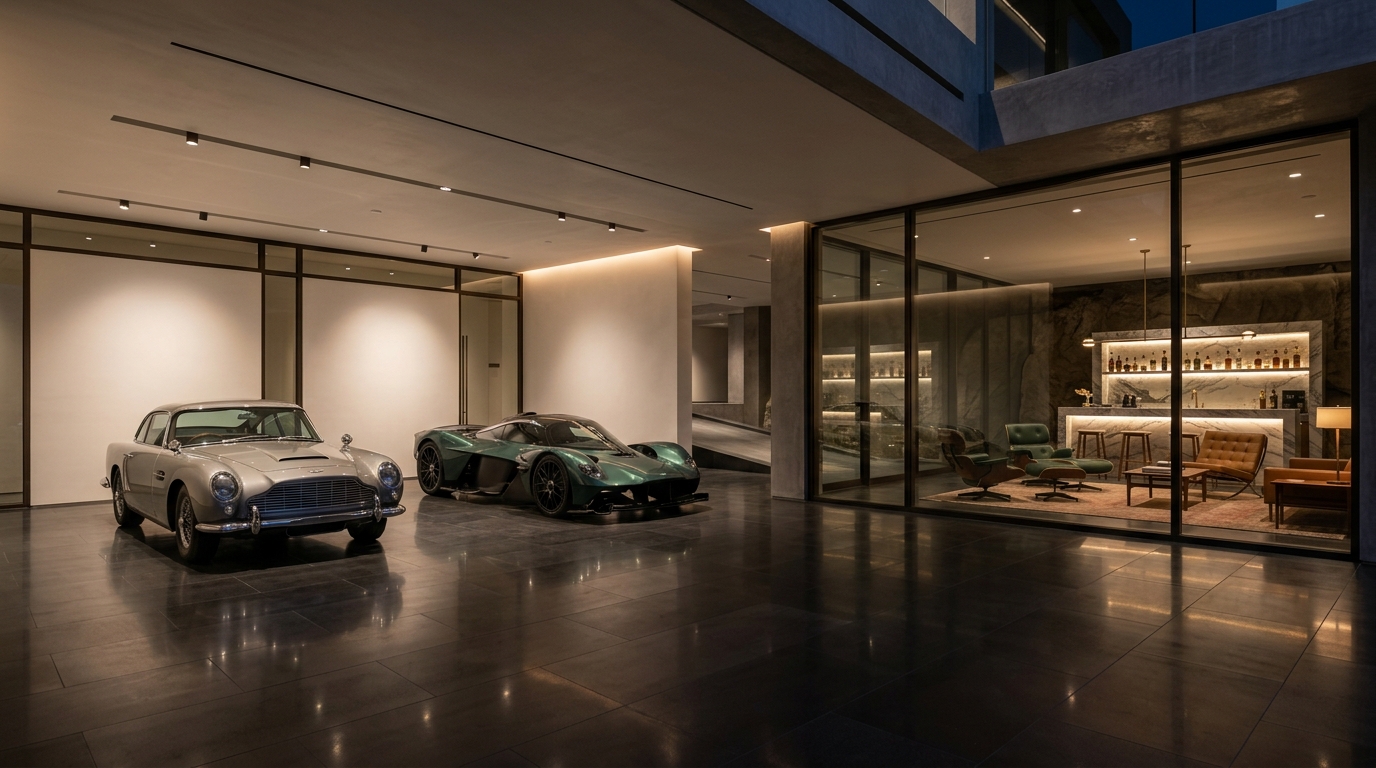
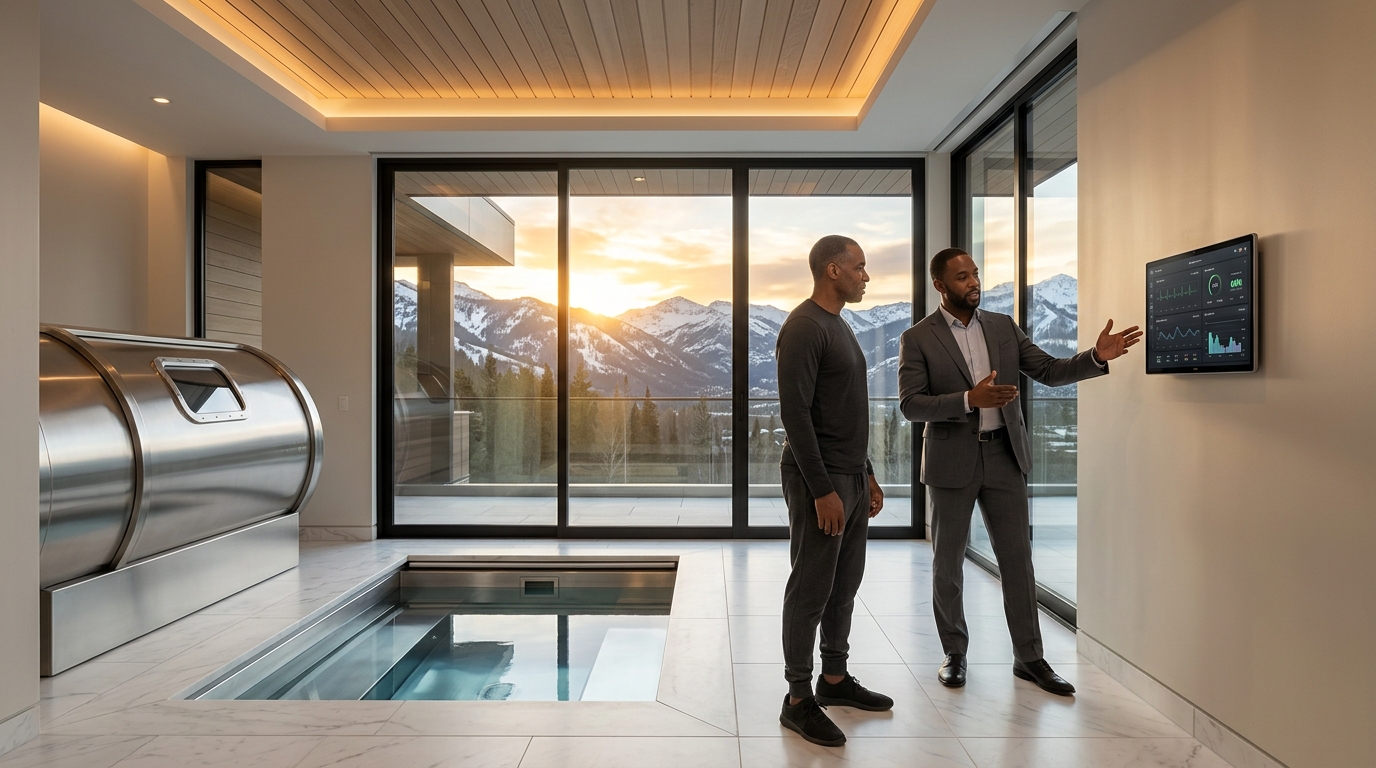
Furthermore, the market for perimeter properties is inherently more resilient. During periods of economic uncertainty, the demand for high-density luxury living often softens as buyers prioritize space and solitude. Conversely, the market for estates that offer total autonomy remains remarkably stable. These properties function as private compounds. They allow for the integration of high-end home offices, extensive wellness facilities, and independent utility systems that would be impossible to implement in a densely packed residential cluster. The ability to control one's environment is the hallmark of the ultra-high-net-worth lifestyle, and the perimeter is the only geography that facilitates this level of control.
Ultimately, the transition of wealth toward the periphery is an acknowledgment that time and silence are the scarcest commodities. An estate that sits on the edge of a forest or overlooks a protected coastal cliffside offers a psychological return on investment that a central villa simply cannot provide. For the seasoned investor, the task is to identify these zones before they are fully recognized by the broader market. Look for land parcels where the topography acts as a natural guardian of the property line. Seek out those areas where the zoning laws are reinforced by physical barriers to building. When you secure a piece of property that is effectively insulated from the reach of the outside world, you are not merely purchasing a residence. You are acquiring the one asset that will never lose its scarcity: the right to be entirely alone in an increasingly crowded world.