In the upper echelons of the West Coast and mountain markets, the acquisition of a legacy estate is frequently treated as an exercise in cultural preservation. Investors often conflate the historical significance of a property with its long-term financial viability. However, there is a recurring failure to recognize the difference between architectural heritage and spatial liquidity. The most sophisticated portfolios are currently undergoing a quiet transition, moving away from rigid, compartmentalized layouts toward an emphasis on fluid volumetric utility. This shift is not merely aesthetic. It is a strategic response to the changing demands of the ultra-high-net-worth demographic, who increasingly view real estate as a multi-modal vessel for family, business, and recreation.
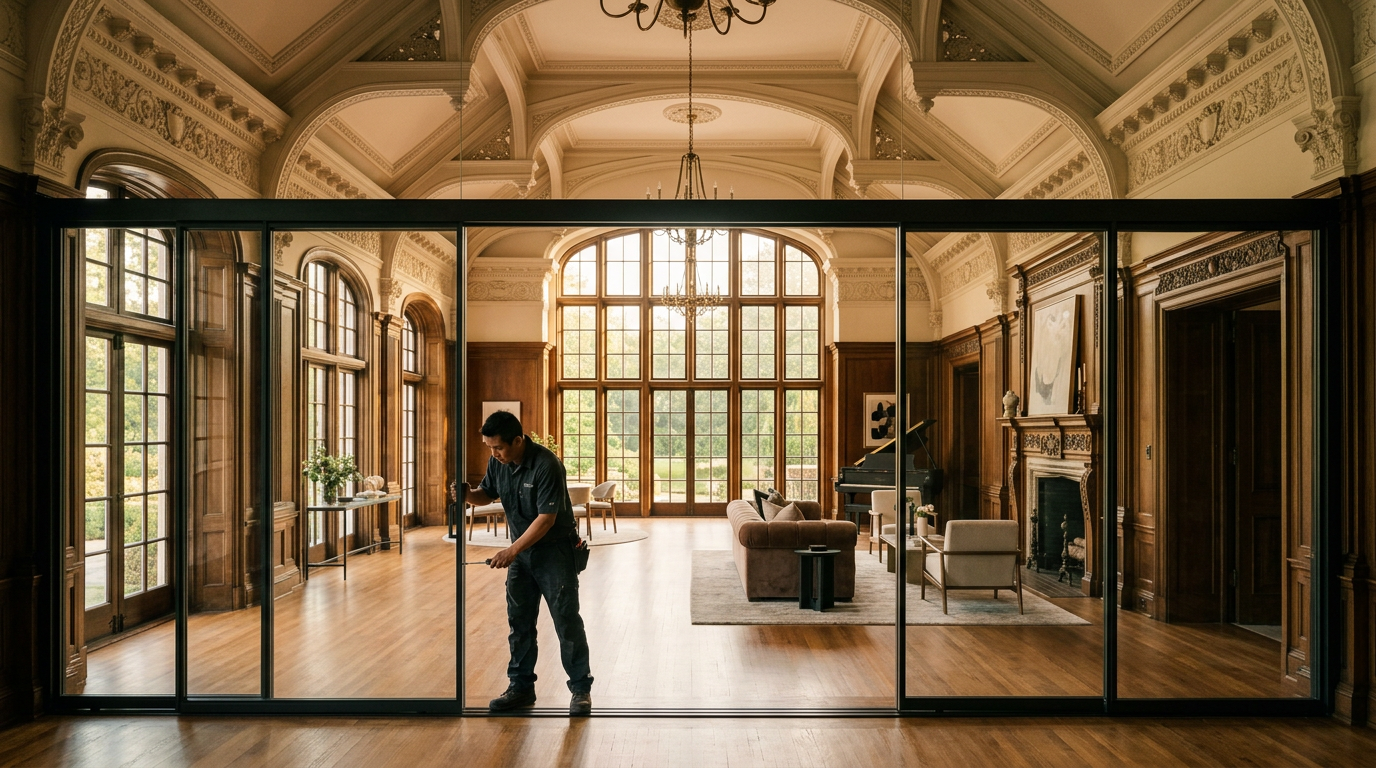
The traditional luxury estate often relies on a cellular floor plan. These properties were designed for a social hierarchy that prioritized formal separation: the drawing room, the library, and the service wing. While these spaces possess undeniable character, they suffer from a fundamental lack of spatial liquidity. When a property cannot be easily reconfigured to accommodate the shifting requirements of a modern household, it incurs a hidden cost. This cost is not reflected in the initial purchase price, but rather in the friction experienced during a future divestment. A residence that requires structural intervention to meet the expectations of contemporary buyers is a liability, regardless of its original provenance.
Adaptable volume is the primary metric for future-proofing capital. Investors should look past the veneer of high-end finishes and interrogate the underlying skeletal structure of a building. Can the non-load-bearing partitions be removed without compromising the integrity of the mechanical systems? Is the vertical circulation designed to allow for modular growth? These questions are far more critical than the provenance of the marble or the complexity of the millwork. When a floor plan is constrained by a lack of spatial adaptability, the cost of modernization rises exponentially. This creates a ceiling on the asset's appreciation potential because the market price must eventually account for the capital expenditure required to bring the property into the current era.
We are witnessing a decoupling of prestige and utility. In the past, the prestige of a location or a famous architect was sufficient to maintain value over generations. Today, that prestige is increasingly insufficient if the property forces the occupant to live according to a static, outdated lifestyle. The modern buyer demands a residence that functions as a high-performance ecosystem. This necessitates large, open-span zones that can serve as private galleries, collaborative workspaces, or expansive entertainment areas depending on the needs of the owner at that moment. When a property lacks this inherent versatility, it becomes a static monument rather than a dynamic asset.
The institutional approach to residential acquisition focuses on the cost of configuration. Investors should perform a rigorous analysis of the envelope-to-usable-area ratio. In many older, high-prestige properties, a significant percentage of the square footage is sequestered in inefficient corridors or grand but underutilized foyers. This represents a waste of raw capital. A property that offers high spatial liquidity allows an owner to extract maximum utility from every square foot. By prioritizing floor plans that offer open, flexible volumes, an investor ensures that the property remains desirable to a broader spectrum of future buyers, thereby mitigating the risk of long-term stagnation.
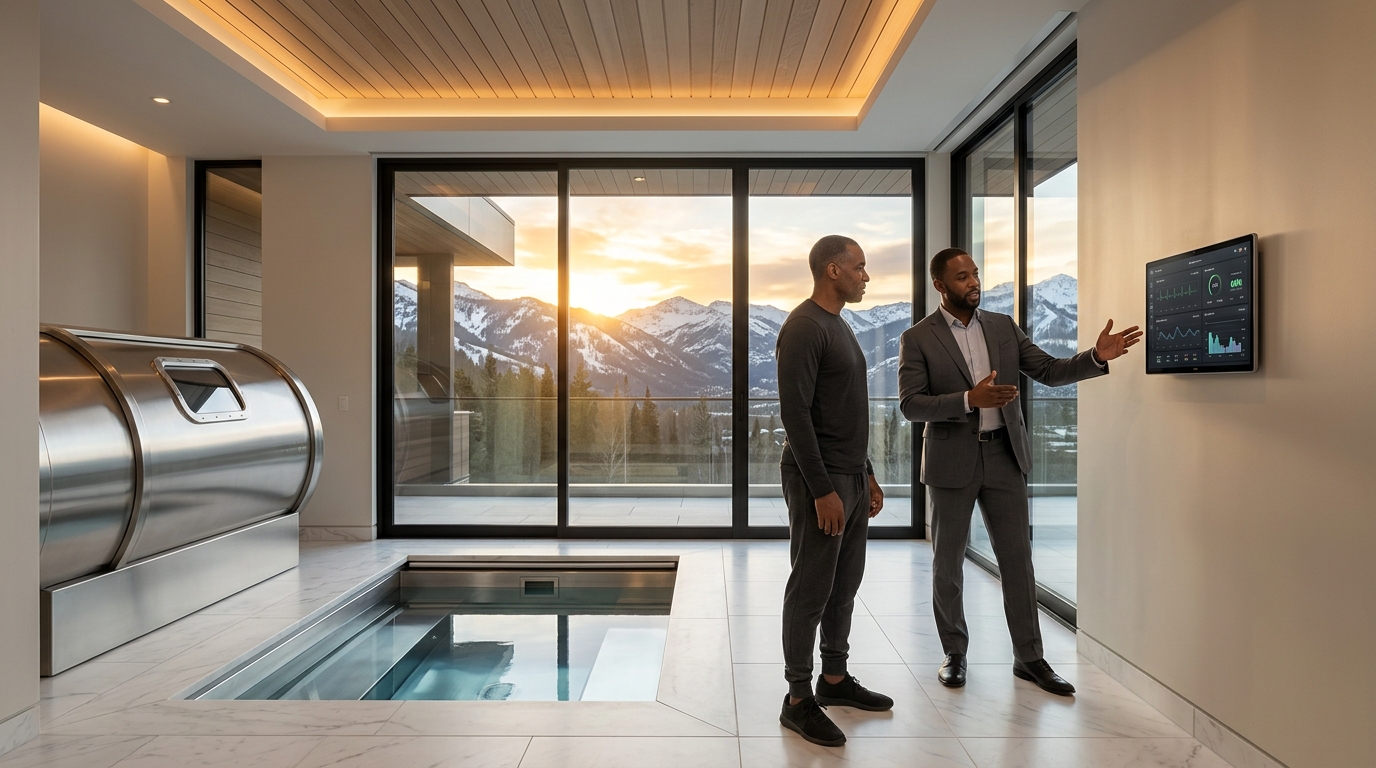
Furthermore, the maintenance of legacy estates often hides a structural financial drag. When a property is physically rigid, the ability to integrate advanced climate control, smart-home infrastructure, or sustainable energy systems is severely limited. Retrofitting these systems into a compartmentalized, historic structure is a process fraught with regulatory and physical complexity. Conversely, properties designed with spatial fluidity allow for the seamless integration of modern technology without requiring significant structural surgery. This reduces the total cost of ownership over the life of the asset and maintains a higher resale value in a competitive market.
Ultimately, the objective is to move beyond the emotional allure of the estate and toward a colder, more disciplined assessment of the physical layout. Wealth preservation in the luxury sector requires an appreciation for the mechanics of space. An estate that cannot adapt to the next decade of social and technological change is not a legacy asset, but a temporary one. By emphasizing spatial liquidity, the astute investor ensures that their capital remains as mobile and versatile as the lifestyle they intend to lead within the property walls. True value lies in the capacity for evolution, not the preservation of a static past.