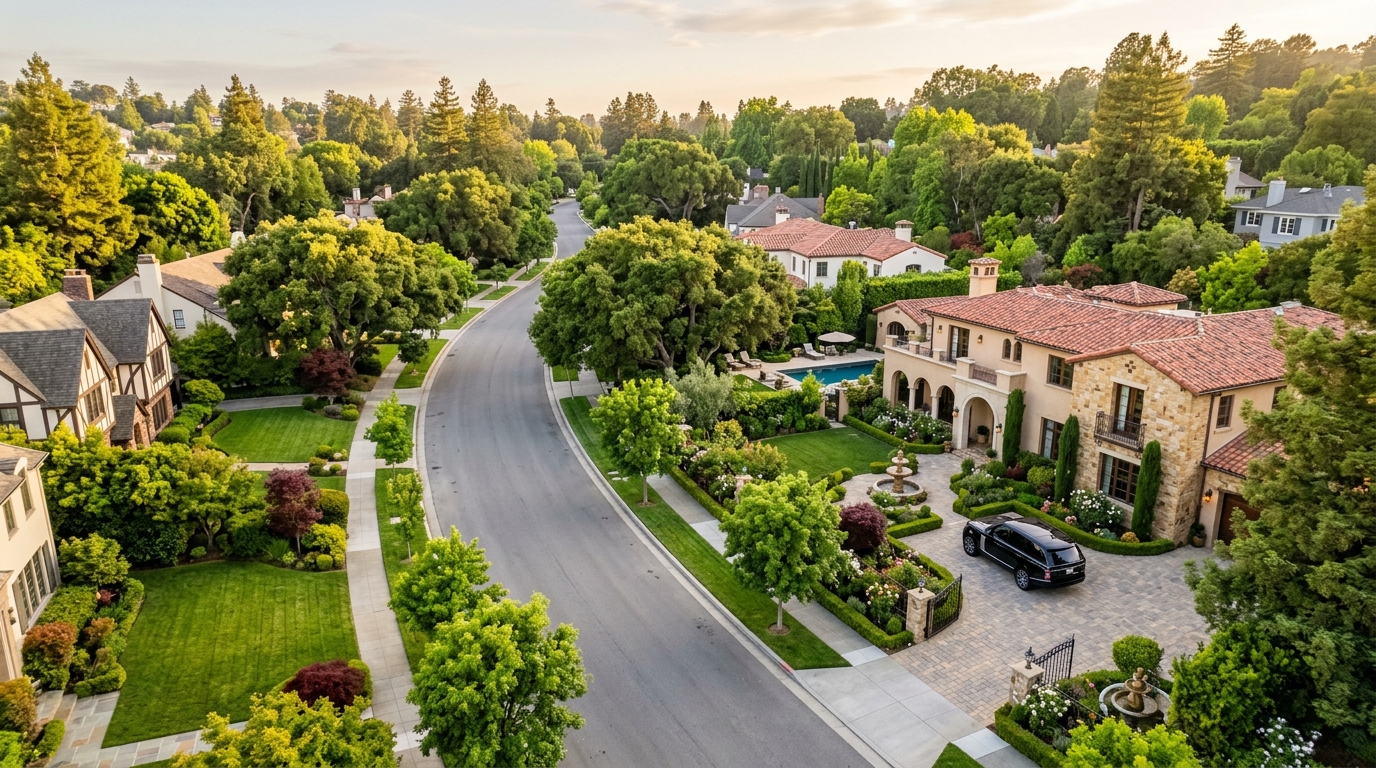

In the landscape of high-net-worth portfolio management, the acquisition of trophy real estate is frequently mischaracterized as a speculative endeavor. For the institutional-grade investor, however, premium residential assets function less as vehicles for rapid appreciation and more as instruments of capital preservation. When transacting in the upper echelons of the West Coast and mountain markets, the objective shifts from maximizing quarterly yield to securing long-term solvency against inflationary pressures and broader market volatility. The primary challenge for the sophisticated buyer is distinguishing between a transient trend in luxury development and an asset possessing inherent, defensible value.
Location remains the singular variable that cannot be engineered or improved. While an interior can be renovated and a facade can be reimagined, the geographic positioning of a property is a fixed constraint. The most resilient assets are those situated within markets characterized by high barriers to entry, such as restrictive zoning ordinances or finite developable land. These conditions create a natural moat that protects the investment from the oversupply issues common in secondary markets. Investors should prioritize locales where the cost of replacement exceeds the current market valuation. This disparity provides a fundamental floor for the asset price, ensuring that the intrinsic value of the land and the structure remains shielded from external economic shocks.
Liquidity should be viewed through a lens of optionality rather than immediate convertibility. Real estate, by its nature, is an illiquid asset class. Attempting to force liquidity during suboptimal market conditions is a primary cause of capital erosion. Instead, sophisticated investors utilize their real estate holdings as a bedrock for broader financial strategies, including low-interest debt structures secured by the equity in their properties. By maintaining a conservative loan-to-value ratio, owners retain the flexibility to weather extended cycles without being forced into a divestment. This strategy allows the investor to act as a counter-cyclical buyer, acquiring additional prime inventory when others are compelled by liquidity constraints to sell.
Maintenance is a perpetual capital obligation, not a discretionary expense. The degradation of structural quality is the silent antagonist of long-term value. In the luxury sector, the cost of upkeep often correlates with the prestige of the architecture. A property that is permitted to languish will eventually suffer a permanent impairment of its market standing. Successful investors treat capital improvements as essential maintenance of their principal. By investing in the mechanical integrity, envelope performance, and technological relevance of a residence, owners ensure their asset remains at the apex of the competitive landscape. This proactive approach prevents the necessity of a heavy discount when the time arrives to transition the asset to a new holder.
Diversification within the asset class requires geographic and demographic analysis. Holding multiple properties in a single micro-market invites unnecessary concentration risk. A diversified portfolio should balance the seasonal volatility of resort communities with the economic stability of primary coastal hubs. Understanding the demographic shifts driving demand in these regions is imperative. Investors must track the migration patterns of high-earning professionals and the evolution of local tax policies, as these factors dictate the long-term desirability of a residential enclave. An asset is only as valuable as the community that supports it.
Ultimately, the successful management of luxury real estate requires a dispassionate perspective. Sentimentality often leads to over-leveraging or the retention of underperforming assets. The most astute market participants analyze their holdings with the same rigor as an equity portfolio, assessing tax implications, operational costs, and the projected terminal value of each property. By prioritizing structural durability, geographic scarcity, and strategic debt management, the high-net-worth investor transforms real estate from a lifestyle expense into a cornerstone of generational wealth. The goal is not merely to own the most prominent address, but to hold the most enduring asset in a portfolio built to withstand the inevitability of change.