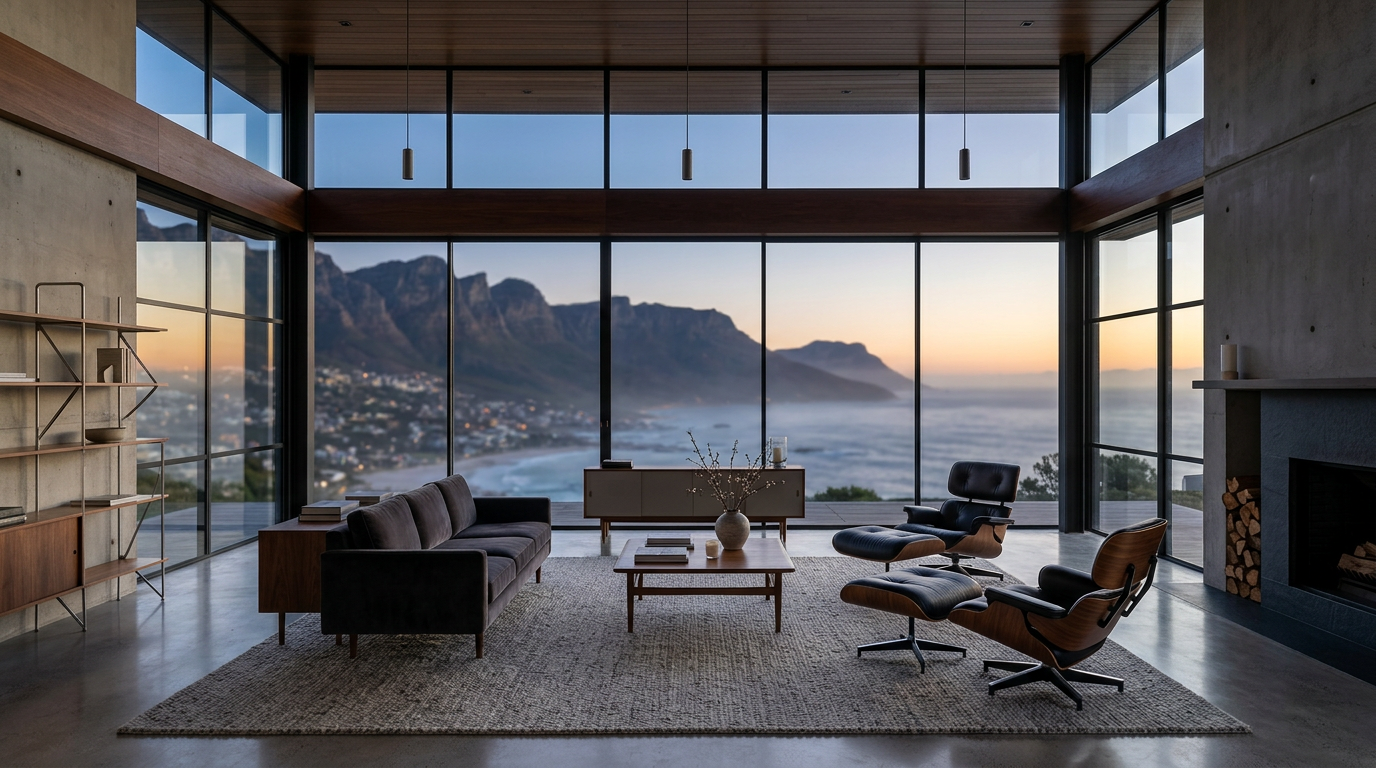
In the rarefied strata of high-end residential real estate, market participants often fixate on surface finishes, ornamental flourishes, and the latest iteration of smart-home integration. These elements, while aesthetically pleasing, are transient. They exist as a veneer over the fundamental physics of the structure. The true, enduring value of a property is found in the architectural proportion, specifically the mathematical relationship between floor area and ceiling height. This is what we define as the structural memory of a residence, a set of volumetric ratios that dictate how a space feels to inhabit across generations.
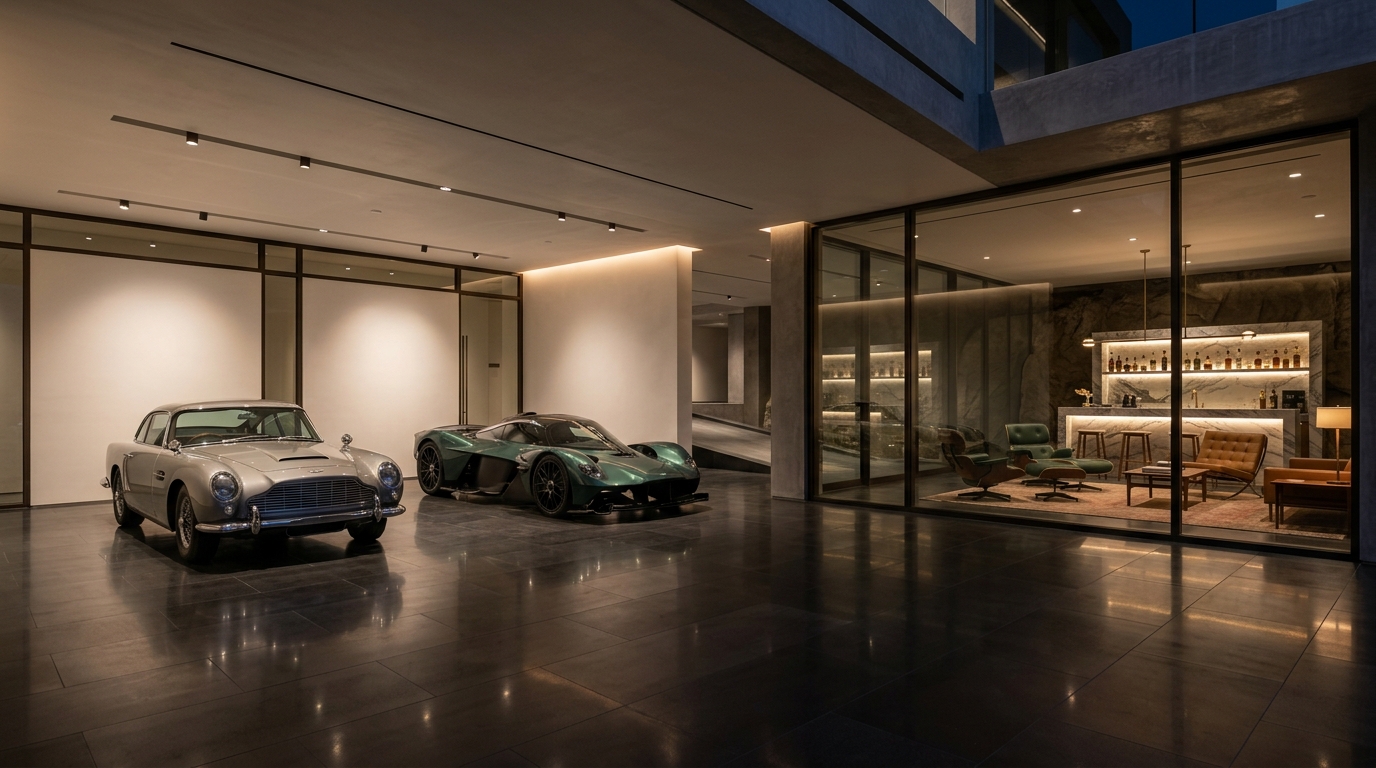
When a residence is conceived, the architect makes a series of irreversible decisions regarding the scale of the interior envelope. In the luxury segment, there is a pervasive temptation to equate volume with opulence. Developers frequently push ceilings to excessive heights in an effort to signal grandeur, yet they often fail to calibrate the accompanying floor area. When these proportions are misaligned, the result is a cavernous environment that lacks human scale. An estate fails to retain its prestige when the inhabitant feels adrift in the architecture rather than supported by it. The most valuable properties are those that achieve a harmonious equilibrium, where the volume of a room provides a sense of expansion without sacrificing the intimacy required for domestic comfort.
The concept of structural memory posits that a space must be legible to the human eye. We perceive volume through the relationship between the horizontal plane of the floor and the vertical planes of the walls. When the ratio of these surfaces deviates from classical standards of proportion, the brain registers a subtle dissonance. This is the primary reason why certain properties, regardless of their age or location, remain perpetually desirable while others require frequent, costly renovations to remain relevant. The former possess an innate spatial logic that transcends shifting design trends. Their proportions are calibrated to the human form, creating a backdrop that is both imposing and deeply hospitable.
Investors should view volumetric integrity as a form of capital preservation. Unlike materials that degrade or styles that become dated, the proportion of a room is a permanent asset. A residence with masterfully executed floor-to-ceiling ratios provides a timeless utility that protects the property from the devaluation associated with changing aesthetic tastes. When evaluating a potential acquisition, look past the marble cladding and the bespoke millwork to assess the underlying geometry. Ask yourself whether the room feels appropriately scaled for its intended use. Does the height of the ceiling compress the space, or does it provide the necessary breathing room for the floor plan? A successful estate functions as a series of interconnected volumes where each transition feels inevitable and correct.
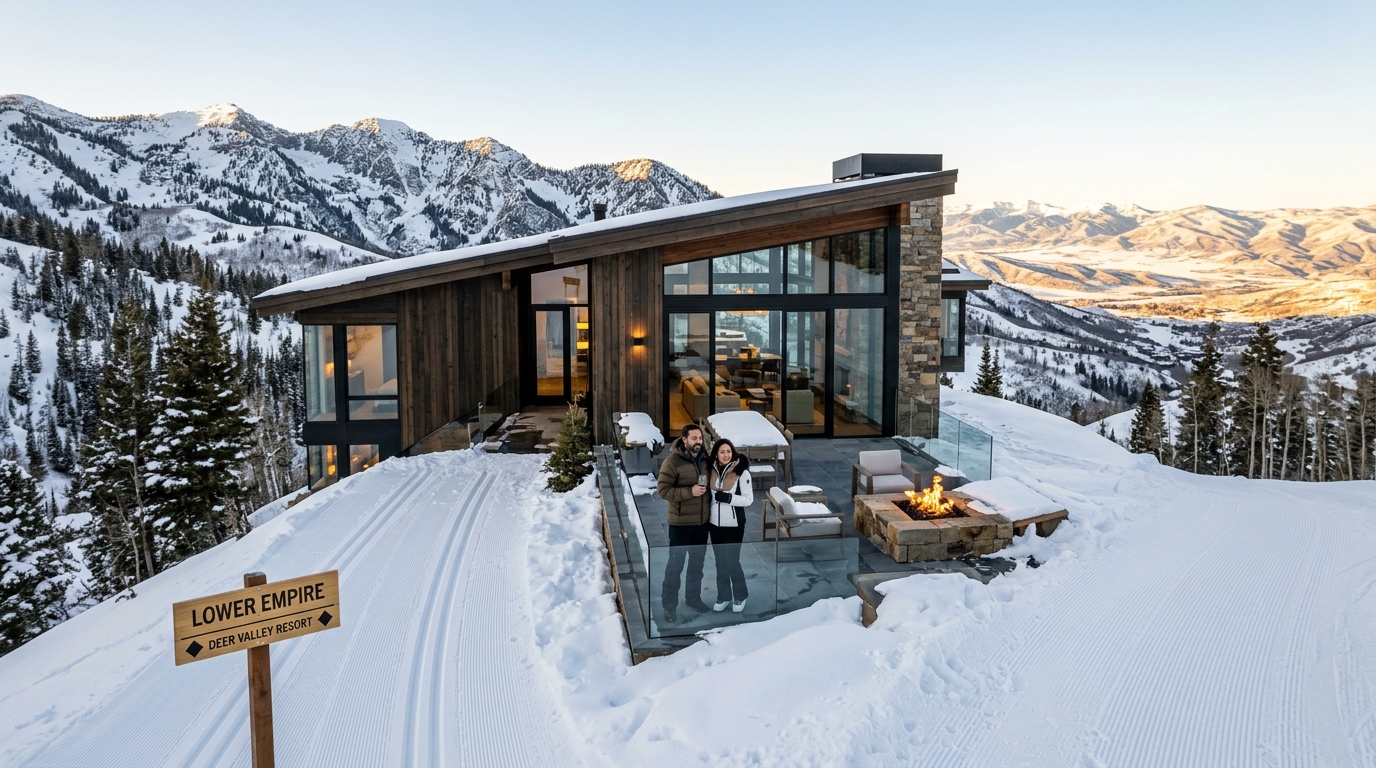
Furthermore, this architectural discipline extends to the placement of aperture. The height of a window head in relation to the ceiling plane is a critical, yet frequently ignored, indicator of construction quality. When windows terminate well below the ceiling, they create a heavy, oppressive horizontal line that truncates the vertical experience of the room. Conversely, carrying the glazing to the structural ceiling plane maximizes the intake of light and enhances the connection to the exterior environment. This detail is not merely decorative; it is a manifestation of the architect's commitment to volumetric purity. Properties that adhere to these principles command a premium because they offer a superior sensory experience that cannot be replicated through cosmetic updates.
The longevity of a luxury estate is tethered to its ability to remain relevant through cycles of market volatility. Architecture that relies on the complexity of its systems or the rarity of its finishes is inherently fragile. It requires constant maintenance to prevent it from appearing obsolete. Architecture that relies on the elegance of its proportions is robust. It establishes a baseline of quality that is immediately understood by the sophisticated buyer. By prioritizing volumetric harmony, developers and owners create an enduring legacy that resists the erosion of value over time. This is the ultimate objective of high-stakes real estate investment: to own a structure that is as architecturally coherent in fifty years as it is today. In the final analysis, the most significant luxury is the quiet assurance of a space that feels mathematically and intuitively correct.