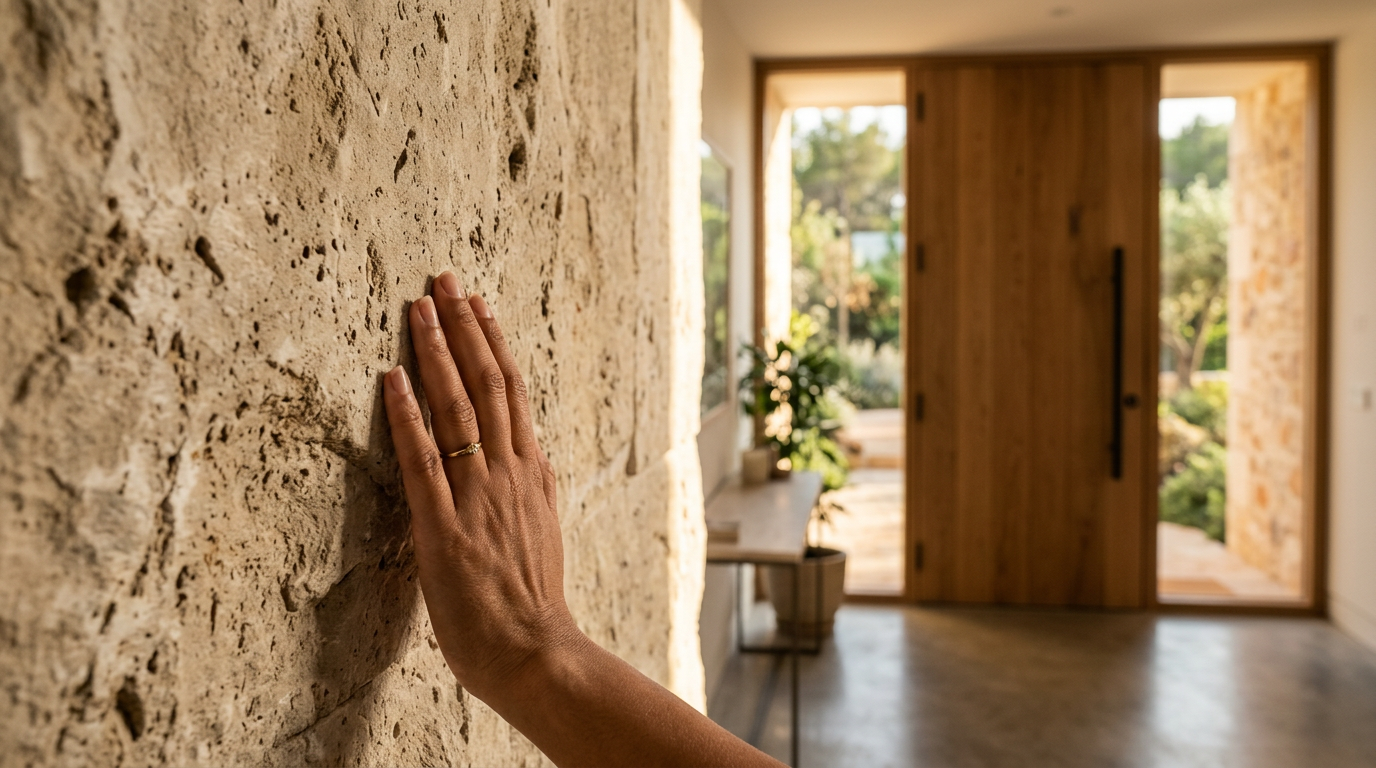
In the upper echelons of residential real estate, the visual field is often the first, but rarely the most enduring, metric of quality. While architectural form and volumetric proportion establish the initial impression, the true psychological and fiscal endurance of an estate relies upon the tactile hierarchy. The interaction between human skin and the built environment creates an subconscious valuation that remains largely unarticulated in traditional appraisals, yet it serves as the ultimate arbiter of luxury. When a buyer touches a wall, a handrail, or a floor, they are engaging in a primal assessment of substance versus simulation. In an era where digital perfection often masks material mediocrity, the intentional curation of surface texture has become the primary indicator of an asset that will appreciate rather than decline.
The psychology of tactile feedback is rooted in the way the brain interprets authenticity. Smooth, synthetic surfaces offer no resistance, signaling a lack of character or a reliance on mass-produced materials. Conversely, surfaces that retain the memory of their origin—the deep grain of rift-sawn white oak, the subtle pitting of honed limestone, or the cold, industrial precision of brushed bronze—force a slower, more deliberate physical engagement. This engagement creates an emotional bond between the inhabitant and the architecture. High-net-worth individuals are increasingly sensitive to this distinction, as they occupy spaces where the sensory feedback must align with the gravity of their professional and personal lives. A property that feels artificial at the point of contact creates a cognitive dissonance that eventually leads to buyer remorse, regardless of the property's aesthetic pedigree.
The distribution of texture within an estate must follow a logical, hierarchical progression. Entrance sequences should prioritize materials that ground the visitor, such as fluted stone or wire-brushed timber, which offer a sense of permanent, geological weight. These surfaces act as a sensory anchor, signaling that the structure is not merely a stage set but a permanent fixture of the landscape. As one moves into private quarters, the texture must shift to accommodate intimacy. Here, the goal is not to impress but to comfort. Softened edges, sand-blasted glass, and honed marbles provide a tactile relief that contrasts with the more rigorous, coarse surfaces of the public halls. By modulating the surface finish based on the function of the room, an architect creates a narrative of movement that the resident experiences through their fingertips.
Material integrity and the aging process are inextricably linked to surface finish. A polished surface is a fragile one, as it requires constant maintenance to appear pristine. In contrast, a surface that embraces its texture is one that benefits from the passage of time. A leathered granite countertop or a patinaed copper cabinet pull will only improve as it absorbs the history of use. This is the hallmark of a high-value asset: it does not demand to be kept in a vacuum, but rather grows more sophisticated with the wear of daily existence. Investors who prioritize assets with these enduring surfaces are effectively hedging against the high cost of maintenance and the inevitable obsolescence of high-gloss, trendy finishes. The ability of a material to age gracefully is, in the final analysis, a function of its surface geometry.
The integration of shadow and texture is the final piece of this architectural puzzle. Light behaves differently when it strikes a textured surface compared to a flat one. A matte, textured wall captures and disperses light, creating a depth that is impossible to achieve with standard paint or seamless veneers. This interplay ensures that the interior environment remains dynamic throughout the day, shifting in appearance as the sun moves across the sky. By selecting materials that possess a distinct surface character, designers allow the architecture to participate in the natural cycle of the day. This creates a living, breathing environment that justifies the premium price point of elite residential assets. Ultimately, the discerning buyer is not merely purchasing a floor plan or a view. They are investing in a tactile reality that reinforces their own sense of presence, grounding them within the architecture through a constant, silent, and deeply satisfying conversation with the materials themselves.