In the hierarchy of luxury real estate, the most significant gains are rarely found in the static perfection of established enclaves. Instead, seasoned capital consistently identifies the precise moment when a neighborhood moves from a speculative frontier into a solidified residential asset class. This transition represents the temporal equilibrium where social utility and institutional investment intersect. Investors who master the art of identifying these shifts do not merely buy property. They participate in the structural evolution of a market before the premium for certainty has been fully priced into the transaction.
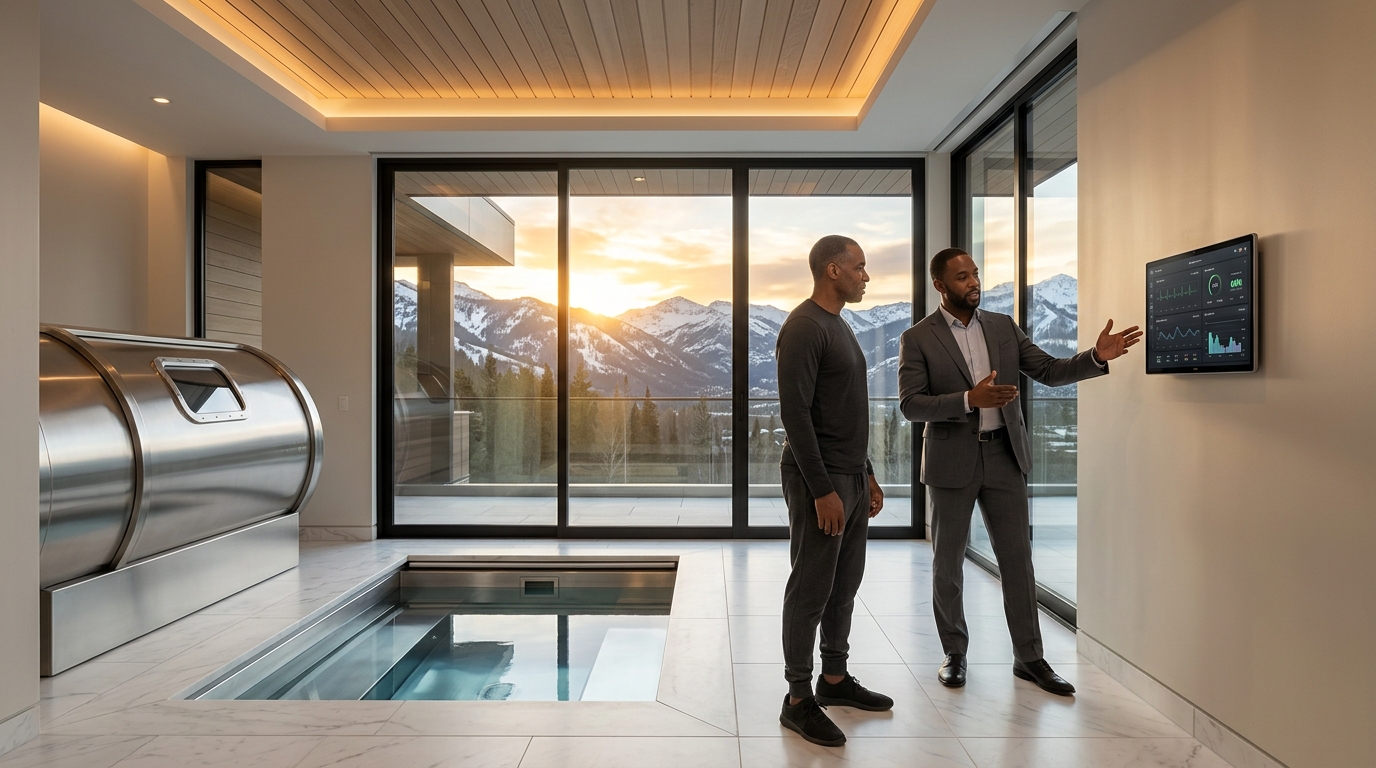
The hallmark of a neighborhood in transition is the migration of high-end social infrastructure. When boutique medical facilities, high-concept wellness centers, and private membership clubs begin to occupy repurposed commercial spaces, the district is signaling a shift toward long-term residency. This is not the ephemeral energy of nightlife or retail trends. It is the steady accumulation of services that facilitate the daily life of high-net-worth individuals. The presence of non-discretionary luxury infrastructure is the primary indicator that a neighborhood is maturing into a legitimate store of value. When a district can sustain these services, it ceases to be a speculative play and begins to function as a permanent residential ecosystem.
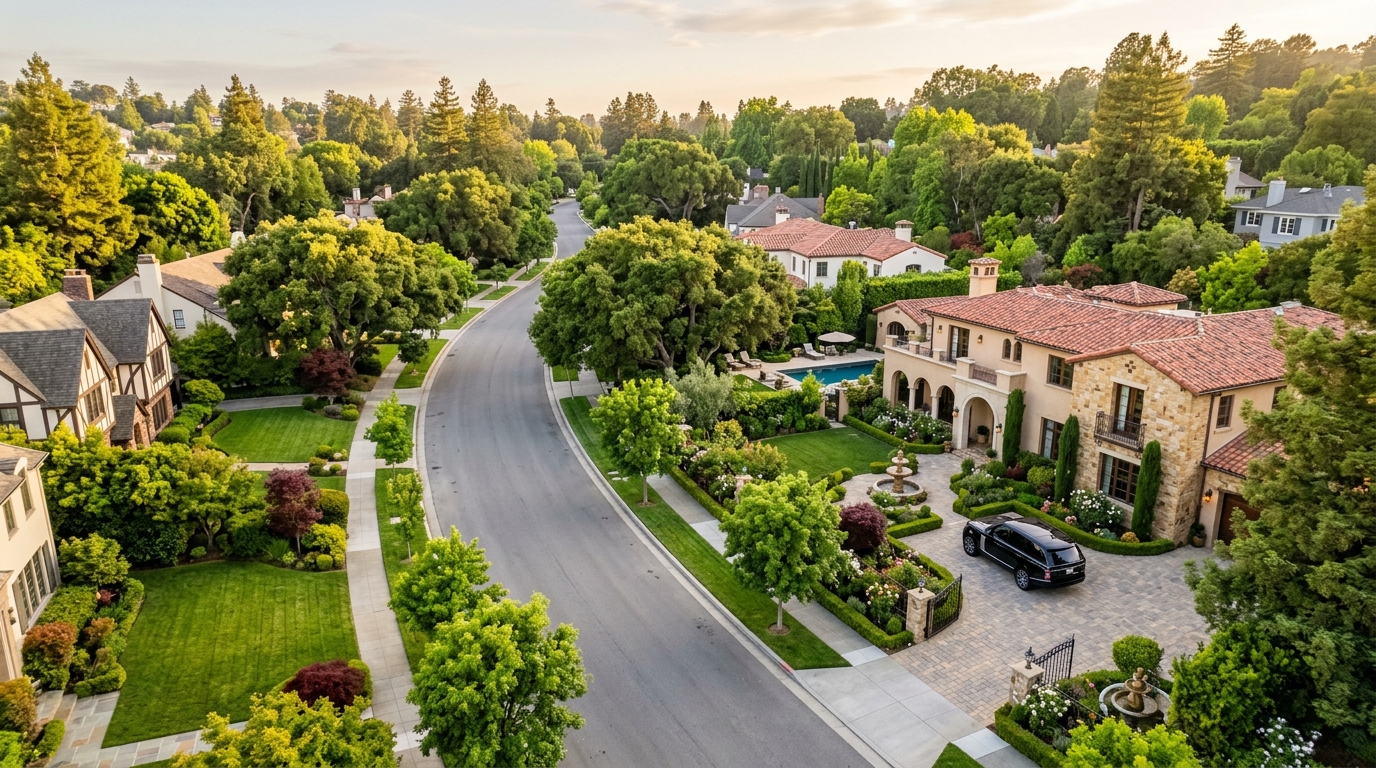
Investors often mistake aesthetic renewal for fundamental appreciation. A influx of new residential construction is common, yet it remains insufficient evidence of long-term viability. The critical metric is the conversion of existing topography into a cohesive, walkable, and secure environment. A neighborhood must demonstrate a capacity for internal circulation where the residents can conduct their daily lives without reliance on the broader urban grid. The most robust assets are those that offer a sense of enclosure within a larger, evolving context. This internal friction, or the degree to which a neighborhood organizes itself around the needs of its inhabitants, dictates the velocity of future price growth.
The risk of premature entry is the primary challenge in these environments. Capital must distinguish between a neighborhood that is merely shifting in demographic appeal and one that is undergoing a permanent change in its economic profile. The former is subject to the volatility of trends, while the latter is anchored by the shifting density of high-level human capital. When the professional class begins to prioritize proximity to these emerging hubs for their daily routines, the market reaches a tipping point. At this stage, the downside risk is mitigated by the sheer concentration of wealth, while the upside remains uncapped due to the relative lack of institutional-grade housing inventory.
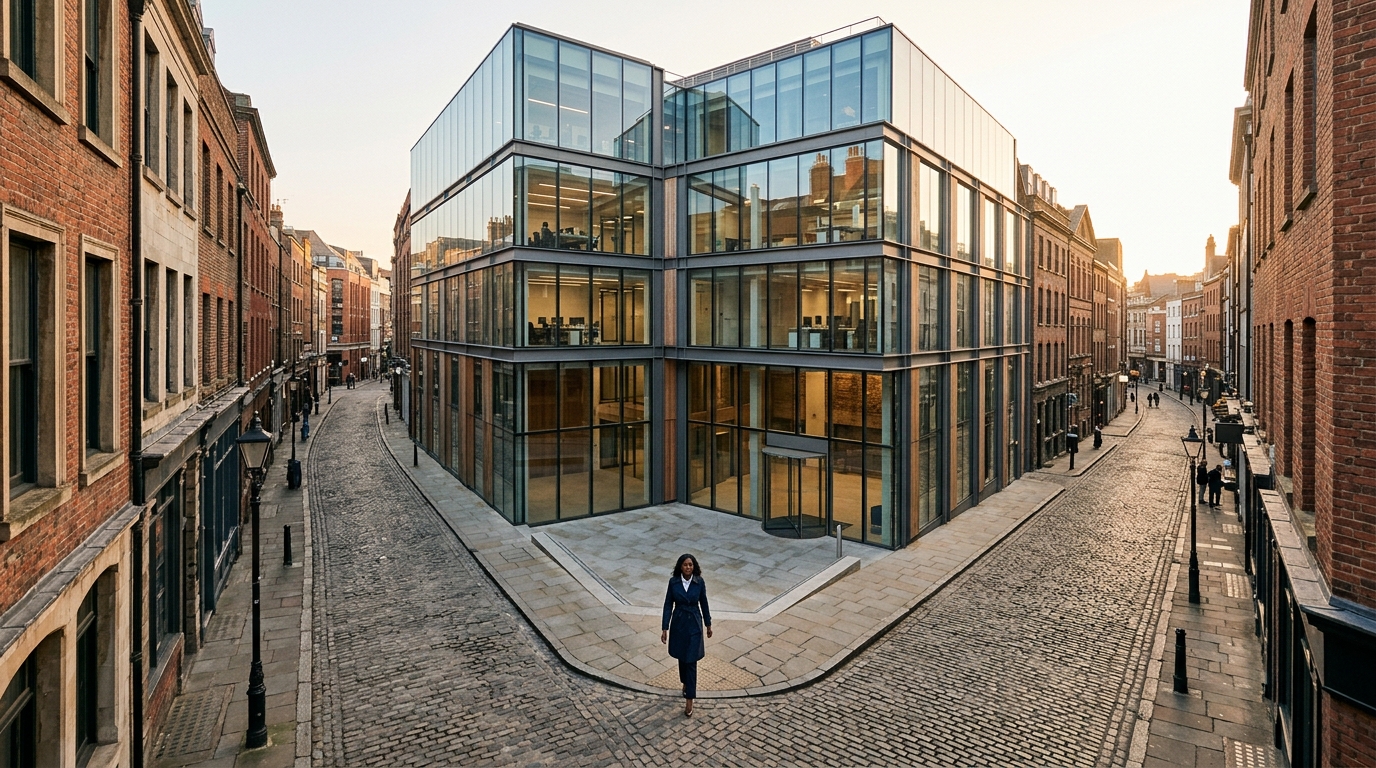
Consider the role of adaptive reuse in these districts. The most successful investors focus on properties that offer a bridge between the historical identity of the area and its modern trajectory. There is a distinct premium placed on assets that possess architectural continuity. When a developer or private owner respects the morphological history of a site, they secure a unique position in the market that cannot be replicated by new, mass-market developments. The integration of historical context with modern performance standards is the hallmark of a legacy asset. In the current cycle, properties that effectively balance this duality command a disproportionate share of liquidity during periods of market volatility.
Furthermore, the shift toward these transitional zones is often driven by a fundamental change in the definition of accessibility. Wealthy buyers are increasingly seeking neighborhoods that provide a frictionless connection to both the urban core and the natural periphery. The value of a property is no longer dictated solely by its address, but by its ability to act as a pivot point for a mobile lifestyle. When a neighborhood successfully facilitates this dual access, it secures its position as a permanent fixture in the luxury landscape. Investors should prioritize locations where the public and private sectors are co-investing in transit and connectivity, as these are the arteries that will feed the neighborhood for decades to come.
Ultimately, the objective is to align one’s capital with the trajectory of the neighborhood rather than its current state. The transition from a transient district to a permanent enclave is a slow, methodical process that rewards patience and requires a deep understanding of human movement patterns. By focusing on the structural elements of infrastructure, social utility, and adaptive reuse, investors can identify those rare opportunities that offer the growth potential of a frontier market with the long-term stability of a blue-chip asset. The goal is not to predict the next trend, but to recognize the inevitable maturation of a landscape that has already begun to earn its permanence.