The architecture of social performance has shifted. Where previous generations defined the value of an estate by the expansive nature of its ballroom or the sheer volume of its formal dining halls, the modern principal demands a more nuanced approach to hospitality. It is no longer about the capacity to host, but about the seamless control of temporal transitions. The elite residence must function as a stage for high-stakes interaction while maintaining an impenetrable layer of privacy that remains entirely untouched by the presence of guests.
This is the Temporal Geometry of Private Hospitality. It is the sophisticated engineering of arrival, immersion, and departure. The primary challenge for any architect working in the ultra-luxury sector is the creation of a floor plan that eliminates the friction of domestic operations. A residence that forces its owner to cross paths with service staff or witness the mechanics of event preparation fails the fundamental test of luxury. True hospitality is invisible. It is a choreography of movement that ensures the host remains the focal point of the environment, free from the logistical noise that typically accompanies large-scale entertaining.
Consider the threshold of the formal foyer. In a masterfully executed estate, the transition from the exterior world to the interior sanctuary is designed to recalibrate the guest. This is often achieved through a sequence of compression and expansion. High ceilings in the living quarters feel more imposing when one has just passed through a lower, more intimate gallery space. This is not merely an aesthetic choice. It is a psychological tool used to heighten the sense of arrival and to delineate the boundaries between the various zones of the home.
The integration of secondary circulation paths is perhaps the most critical indicator of institutional-quality design. Professional kitchens and staging areas must be connected to the social spaces by hidden arteries that allow for silent, rapid service. When these paths are absent, the social flow is interrupted by the necessity of staff navigating through the very spaces occupied by guests. The most successful properties in our market prioritize this separation as a matter of structural necessity rather than luxury. It is the difference between a house that functions as a hotel and a residence that serves as a private theater.
Furthermore, the lighting design within these entertainment zones must be capable of shifting its intent as the evening progresses. Static lighting is the enemy of ambiance. The ability to manipulate the color temperature and intensity of a space allows the host to dictate the pace of the evening without ever uttering a word. When a dinner transitions into a late-night conversation, the lighting should shift to draw the eye away from the architecture and toward the interpersonal connections forming within the room. This requires a level of technical sophistication that goes far beyond standard smart-home automation. It demands a curated, hand-tuned environment that responds to the subtle shifts in social energy.
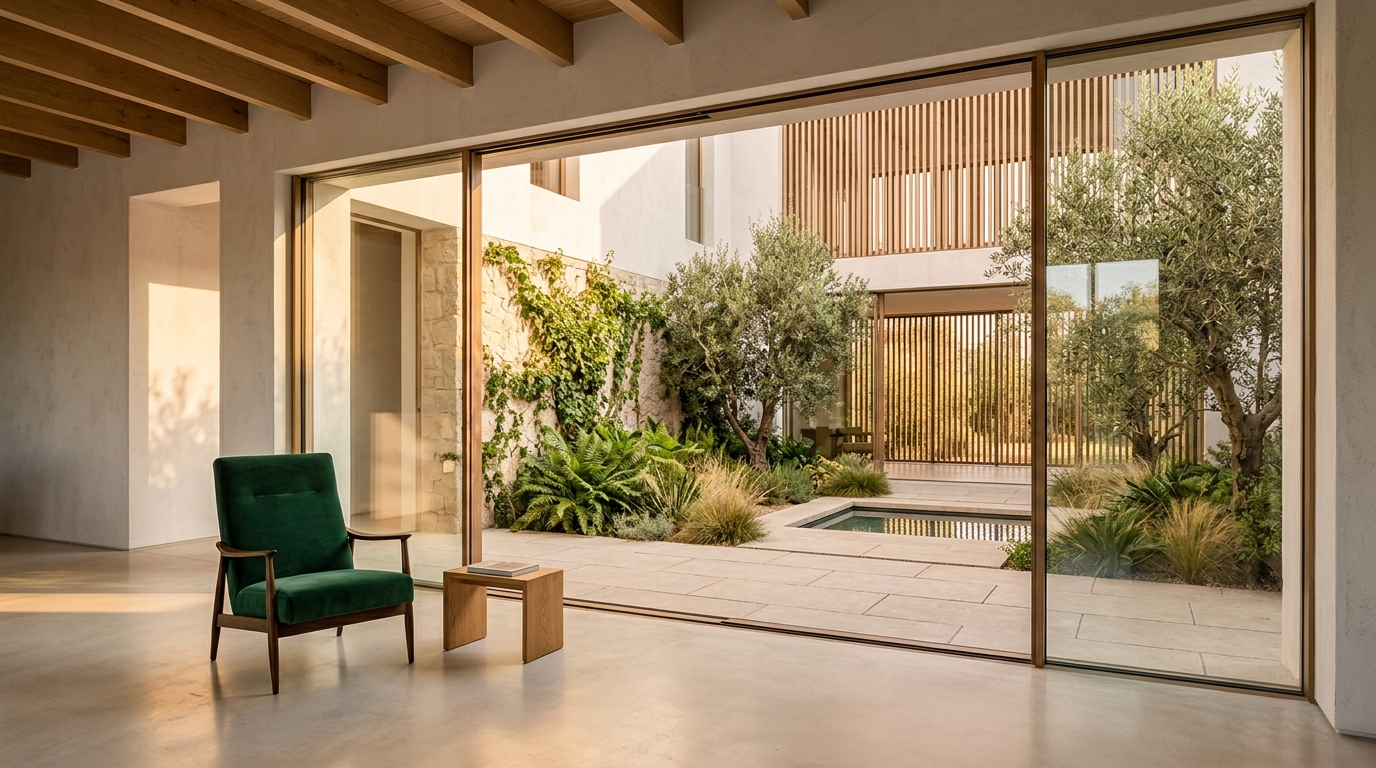
We must also address the importance of the buffer zone in residential planning. Every great estate requires a series of transition spaces that act as pressure relief valves. Whether it is a terrace that opens directly onto a private courtyard or a library that serves as a quiet retreat from the main parlor, these spaces allow guests to self-regulate their level of engagement. A residence that lacks these secondary environments feels claustrophobic, regardless of its total square footage. High-net-worth individuals require the freedom to step away from the crowd without having to exit the property entirely.
Ultimately, the value of an estate is found in its ability to facilitate complex social rituals while protecting the autonomy of its inhabitants. When evaluating an acquisition, look past the finishes. Examine the flow. If the architecture forces a compromise between the performance of hospitality and the comfort of the home, it is a liability. The most desirable assets are those that treat the guest experience as a deliberate, engineered sequence, ensuring that the host remains the most powerful person in the room, untroubled by the mechanics of the event. Luxury is not the possession of space. It is the masterful command over how that space is inhabited, experienced, and eventually cleared.