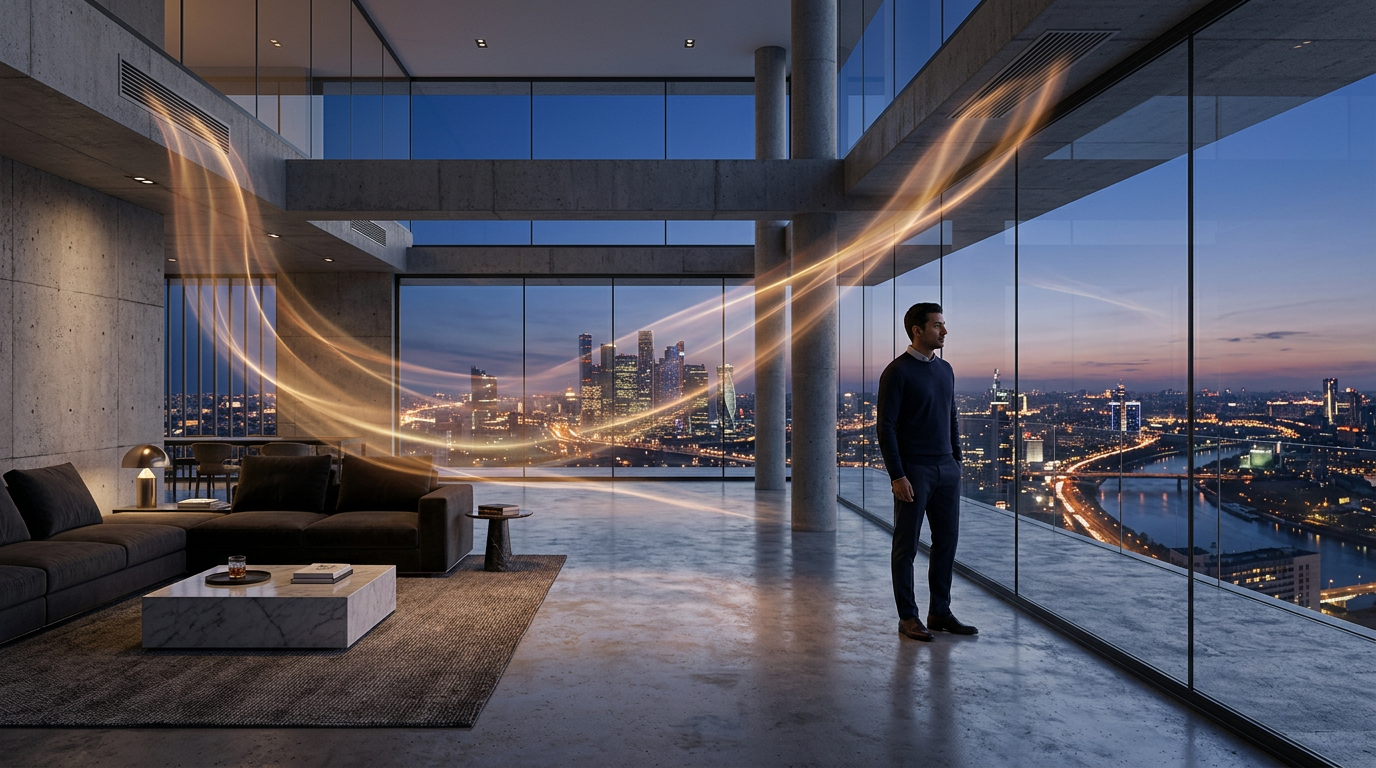
In the rarefied air of the twenty-million-dollar estate, the traditional markers of prestige—the marble entry, the professional-grade kitchen, the climate-controlled cellar—have become table stakes. The true frontier of residential sophistication is no longer visible to the naked eye. It lies in the thermodynamics of the building envelope and the pursuit of absolute environmental autonomy. For the discerning collector, the distinction between a residence that is merely climate-controlled and one that is thermodynamically sovereign represents the difference between a depreciating asset and an enduring sanctuary.
The current market suffers from a reliance on mechanical brute force. Architects and developers frequently mask substandard thermal performance behind high-capacity heating and cooling systems. This is a fundamental error in asset management. A residence that requires constant mechanical intervention to maintain a stable core temperature is, by definition, a fragile machine. It is subject to the volatility of energy grids and the eventual failure of redundant systems. True luxury is the achievement of thermal inertia, where the structure itself serves as the primary regulator of the living environment.
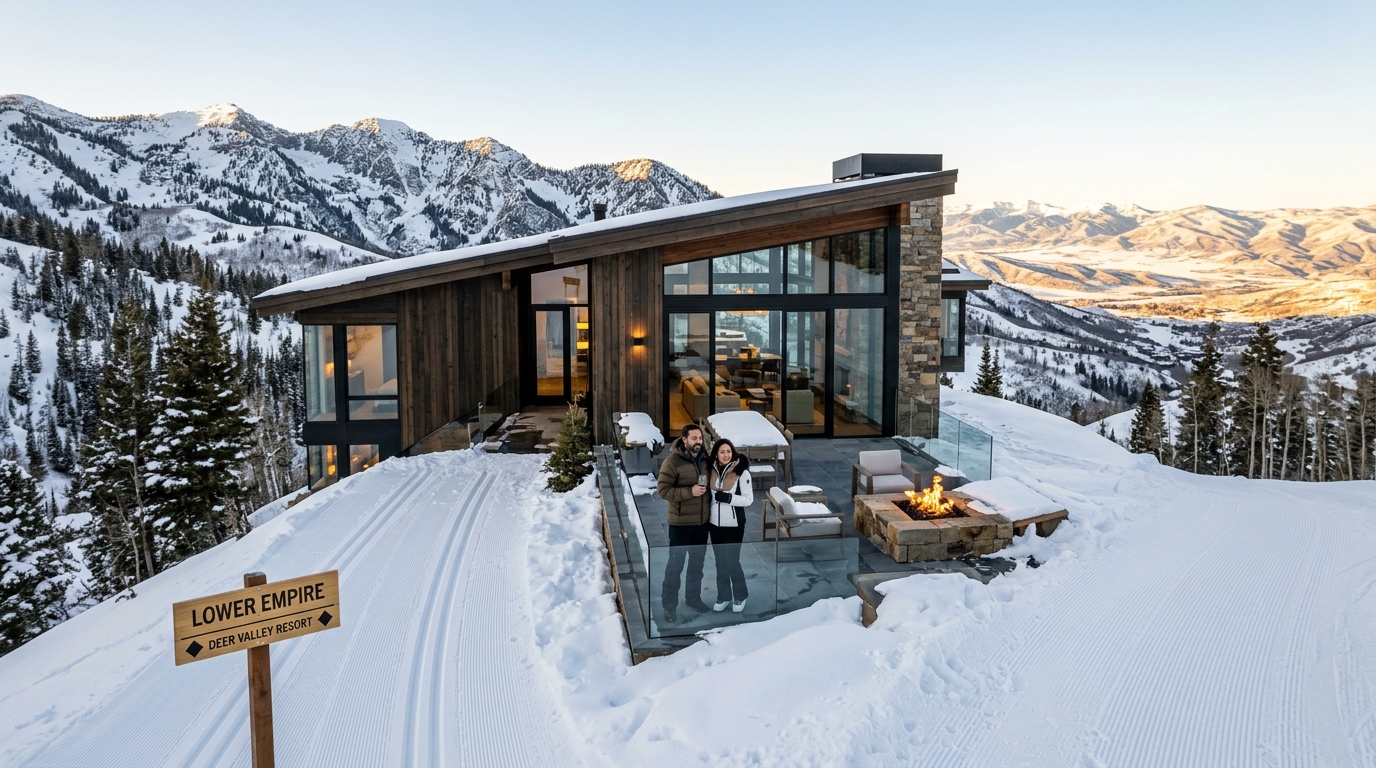
Mass and material science dictate the quality of life within the home. When we analyze the performance of historical structures in the mountain and coastal markets, we see a reliance on high-density materials that absorb, store, and release heat with surgical precision. Modern residential development has largely abandoned this principle in favor of expansive glass facades. While glass satisfies the desire for transparency and light, it acts as a thermal sieve. The sophisticated owner must look past the aesthetic allure of floor-to-ceiling glazing to examine the conductivity of the framing systems and the implementation of high-performance vacuum-insulated glass units. These are the components that permit the interior to remain untouched by the fluctuations of the external climate.
Environmental independence is the next evolution of the private estate. The ability to decouple from municipal infrastructure is a hallmark of strategic foresight. This involves the integration of geothermal heat exchange loops, which tap into the constant temperature of the earth, bypassing the inefficiency of air-source systems. When coupled with advanced building automation that learns the diurnal rhythm of the property, the home ceases to be a consumer of energy and becomes a balanced system. The goal is to reach a state of equilibrium where the residence maintains a consistent, temperate internal atmosphere with minimal reliance on external power.
The psychological impact of a stable thermal environment cannot be overstated. Human physiology is inextricably linked to ambient conditions. In a residence where the temperature fluctuates by even a few degrees, the subconscious remains in a state of low-level alertness. Conversely, an environment that maintains a perfect, silent, and consistent thermal state provides a form of rest that is biologically superior. This is not merely a matter of comfort. It is a matter of performance. For the high-net-worth individual who operates at the peak of their professional capacity, the home must serve as a restorative engine. When the architecture removes the burden of environmental management from the occupant, the result is a profound sense of clarity and ease.
Investors should scrutinize the building envelope as rigorously as they evaluate the title of a property. Ask for the thermal bridge analysis of the primary structure. Investigate the R-values of the foundation and the roof, which are frequently the most neglected areas of high-end residential construction. Demand documentation regarding the air-tightness of the building, as the control of infiltration is the prerequisite for any sophisticated climate strategy. A house that breathes through its gaps is a house that will eventually succumb to the elements.
True architectural autonomy is the quietest form of wealth. It is the invisible shield that protects the interior world from the chaos of the exterior. By prioritizing thermodynamic integrity, the owner ensures that their estate remains a bastion of stability, regardless of the shifting environmental or economic landscapes. In the final estimation, the value of a property is found in its ability to protect the occupant from the variables of the world. Those who master the thermodynamics of their domain possess the ultimate luxury: a home that functions as a perfect, self-sustaining ecosystem, indifferent to the turbulence of the world outside its walls.