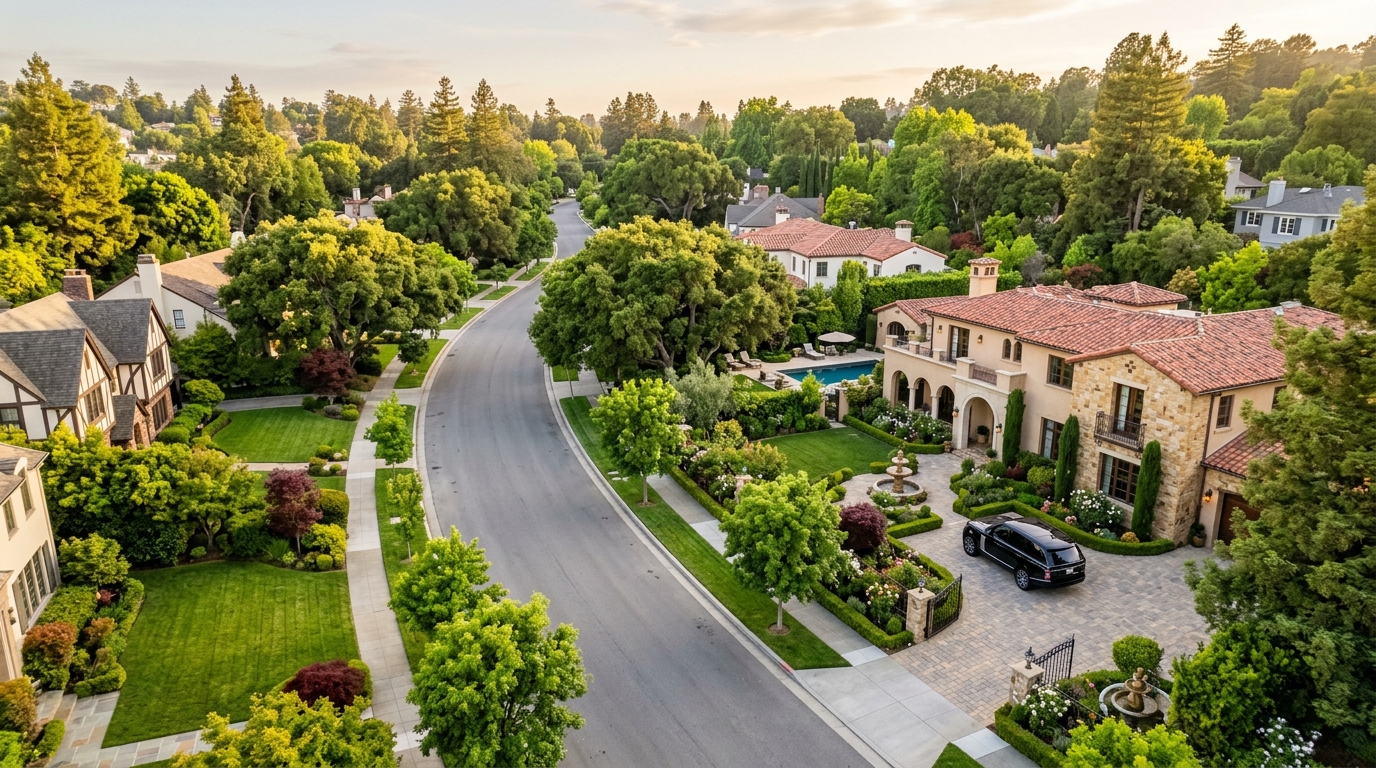
In the upper echelons of the luxury residential market, the most significant risk to capital preservation is not market volatility but the bureaucratic friction inherent in property expansion. While traditional analysis focuses on the tangible attributes of a residence, sophisticated investors are increasingly pivoting their attention toward the underlying entitlement profile of the land itself. The ability to modify, expand, or repurpose a luxury estate is a form of option value that often escapes standard appraisal metrics. When assessing an acquisition in a high-barrier market, the primary delta between a stable asset and a wealth-generating powerhouse lies in the clarity and flexibility of its development rights.
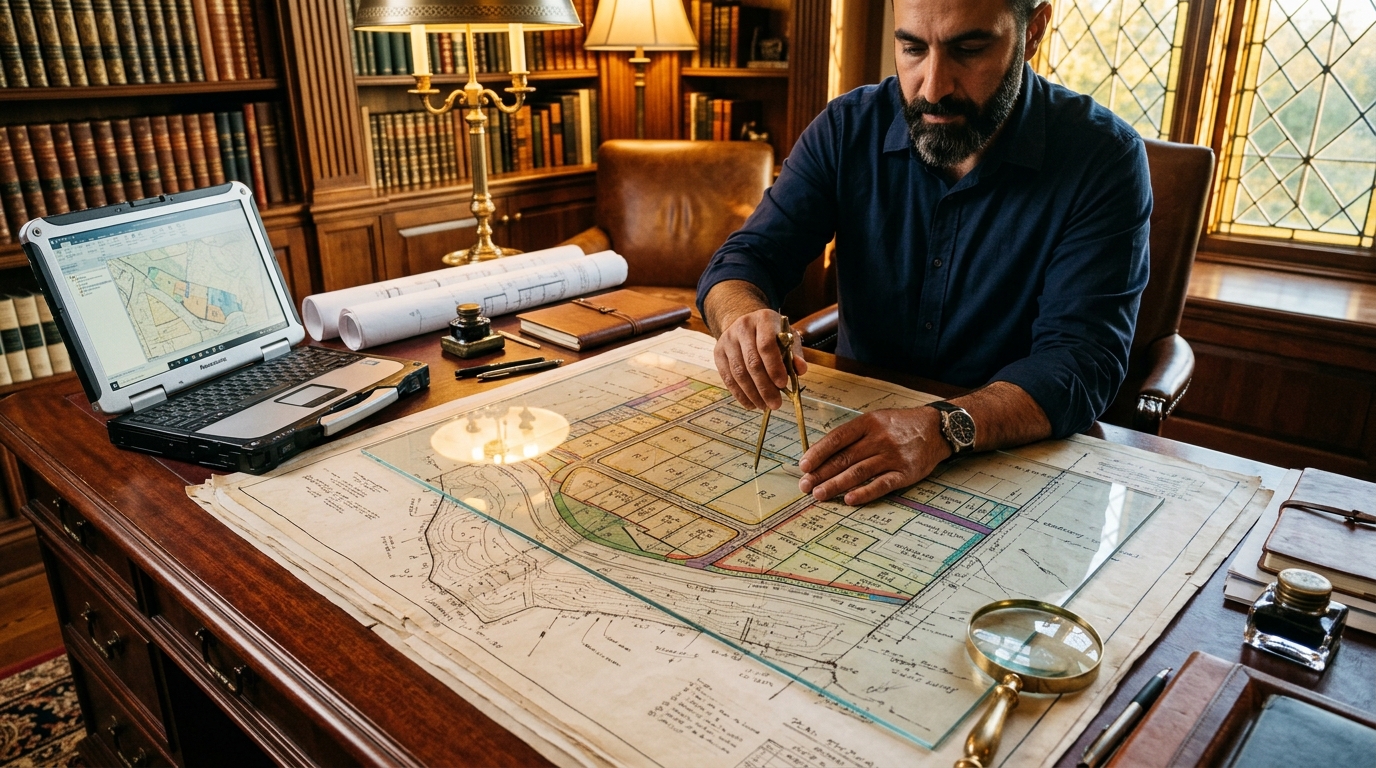
Entitlement architecture functions as a hidden lever of appreciation. A property with a clear, documented path to significant footprint expansion or accessory dwelling unit implementation possesses a distinct advantage over its peers. In jurisdictions where zoning codes are intentionally opaque, the burden of discovery falls upon the purchaser. Savvy investors perform due diligence that extends beyond title reports and tax assessments. They scrutinize the historical precedent of planning commission decisions, neighborhood association covenants, and the specific political temperament of local municipal boards. This is the art of reading the regulatory tea leaves to determine if an asset will appreciate through its own utility or stagnate under the weight of restrictive local governance.
Consider the difference between a fully developed estate and one with significant unrealized potential. The former is a consumption asset, serving the needs of the resident while offering limited upside beyond market-wide appreciation. The latter, however, represents a strategic holding. By securing properties with favorable, yet underutilized, zoning overlays, investors create a protective moat around their capital. This strategy requires a sophisticated understanding of land use law and a willingness to engage in long-horizon planning. It is not merely about buying a house, but about acquiring the legal permission to reshape the environment to suit evolving high-net-worth requirements.
The premium on predictability cannot be overstated. When a property comes to market with pre-approved plans, environmental clearances, and historical impact studies already in place, it commands a valuation that is decoupled from the basic cost of construction. The time value of money, when applied to the multi-year cycle of permit acquisition, often renders the cost of the property itself secondary to the time saved. Investors who prioritize assets with these embedded rights effectively bypass the most volatile phase of real estate development. They are buying certainty in an era defined by procedural complexity.
Furthermore, the shift toward sustainable and resilient infrastructure has introduced a new variable into the entitlement equation. Municipalities are increasingly conditioning development permits on the integration of private water management, fire mitigation protocols, and energy autonomy systems. An estate that has already secured the right to integrate these systems is significantly more valuable than one that must navigate a fresh round of public hearings to implement them. The strategic investor views these mandates not as impediments, but as barriers to entry that protect the value of their existing portfolio from future competition.
Ultimately, the acquisition of high-end real estate is a game of risk management. To treat a property as a static object is to ignore the evolving nature of municipal law. The most successful portfolios are those that identify the nexus of high demand and low regulatory friction. By focusing on the entitlement trajectory of an enclave, the investor moves from being a passive occupant to a proactive manager of land value. This is the sophisticated approach to wealth preservation, where the true value is not found in the finishes of the estate, but in the enduring legal right to adapt the property to the demands of the future.