
In the upper echelons of residential real estate, the most pervasive error among capital allocators is the conflation of luxury with liquidity. While architectural provenance and technological autonomy offer comfort, the true engine of long-term wealth preservation is the aggressive scarcity of buildable land. Investors who treat residential assets as speculative growth vehicles often find themselves exposed to supply-side risks that no amount of interior design can mitigate. The sophisticated play is not in the house itself, but in the irreproducibility of the dirt beneath it.
The regulatory moat is the ultimate hedge. When assessing a potential acquisition, the primary metric should not be the price per square foot of the structure, but the probability of future supply within a three-mile radius. In markets defined by coastal protection acts, stringent zoning overlays, or geographic barriers like mountain ranges and water, the ability to increase housing stock is effectively zero. This is the definition of a constrained supply environment. When you purchase in these zones, you are not merely buying a residence; you are purchasing a perpetual monopoly on a limited geographic resource.
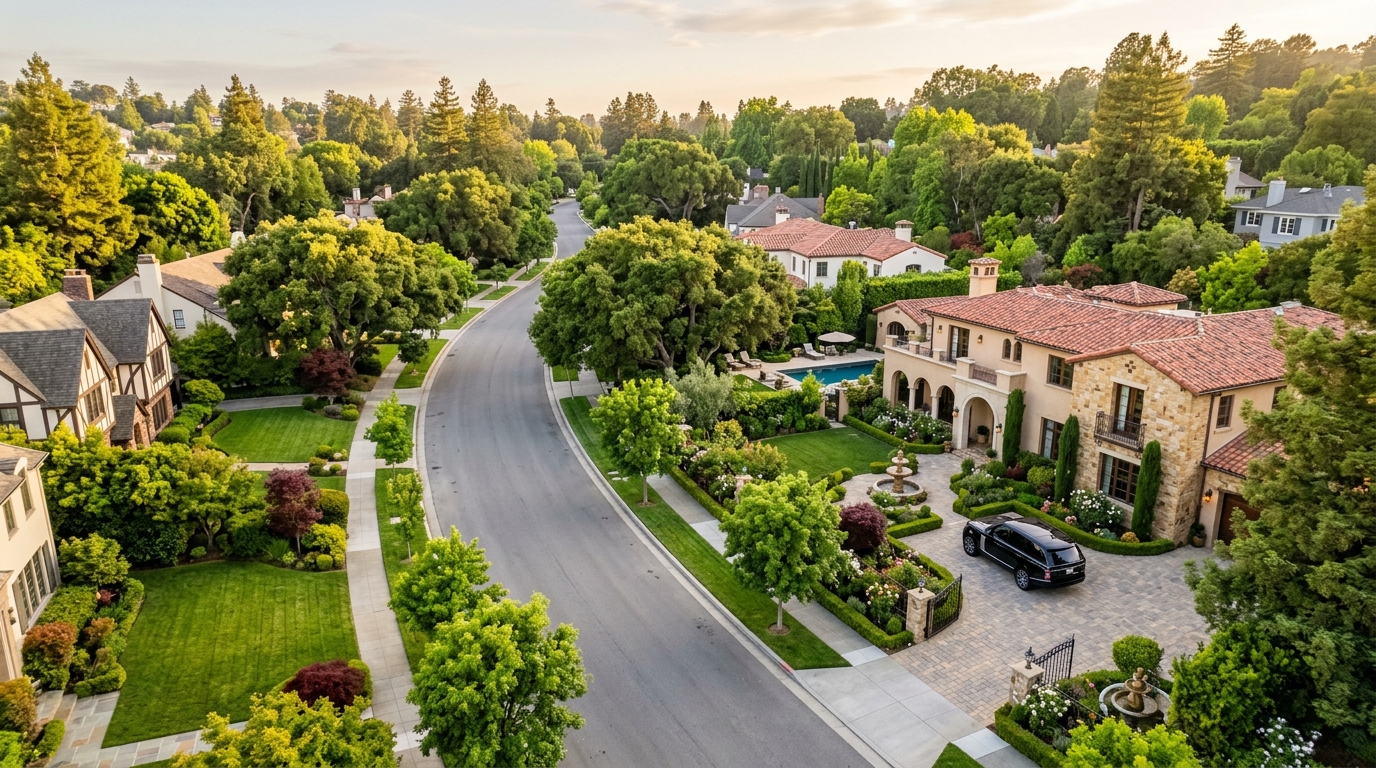
Many investors prioritize the aesthetic or lifestyle utility of a property. However, this subjective valuation is prone to cyclical shifts in consumer taste. By contrast, the value derived from geographic scarcity is objective and immutable. Consider the difference between a sprawling estate in an expansive, developable inland valley and a more modest footprint within a geographically isolated coastal or canyon enclave. The former remains vulnerable to the inevitable dilution of value as developers build out surrounding parcels, thereby expanding the supply of competing product. The latter benefits from the permanent inability of the market to provide a substitute.
Structural appreciation depends on external constraints. Markets that allow for rapid densification or suburban sprawl will always experience volatility during periods of economic contraction. Because the supply is elastic, prices are tethered to the broader economy. Conversely, markets that possess natural or political barriers to entry function as private silos. In these areas, the asset value is disconnected from the broader indices. When the market cools, these properties tend to hold their position because no comparable alternatives can be brought to market to undercut the price point.
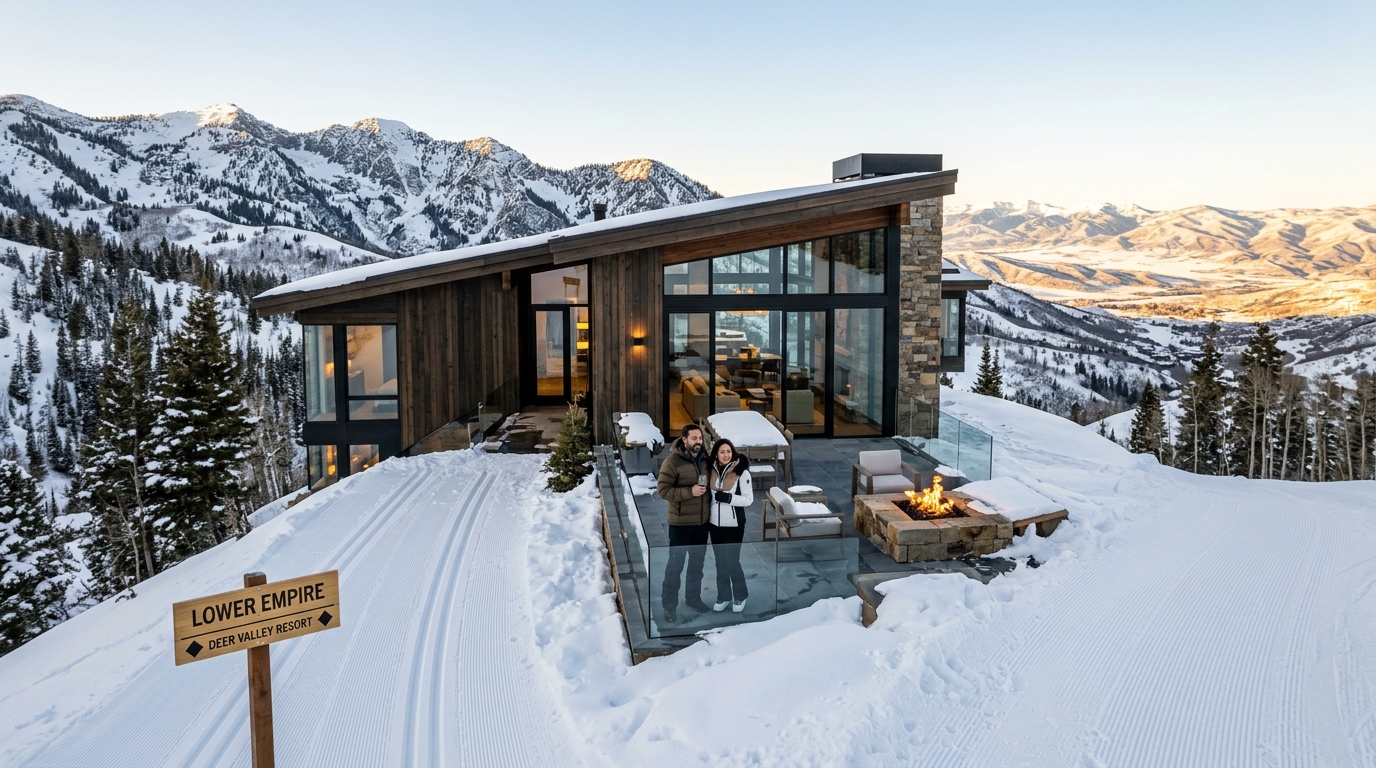
The seasoned investor must look beyond the property line. One must analyze the regional master plan and the environmental protections surrounding the asset. If an estate sits adjacent to protected wilderness, national park land, or water fronts that are strictly regulated by conservation agencies, the risk of negative externalities is minimized. You are effectively outsourcing the protection of your view corridor and neighborhood character to the government or a land trust. This is a powerful form of leverage that costs nothing in terms of maintenance but provides massive value in terms of long-term demand.
Capitalizing on the paradox of exclusivity. The most valuable assets in our portfolio are those that appear difficult to access or maintain. The friction of entry, whether it is extreme topography or high development costs due to strict building codes, serves as a filter. This filter keeps out the speculative flippers and short-term capital, leaving behind a stable, long-term owner base. When you buy into such an environment, you are joining a collective of stakeholders who have a vested interest in maintaining the status quo. This synergy between the asset, the geography, and the ownership profile creates a rare stability that is impossible to manufacture in more open, developable markets.
Ultimately, the objective is to divest from assets that rely on the market to dictate their value and move toward assets that dictate their own terms. If a property is located in an area where the municipality has capped new utility hookups or where the terrain makes large-scale construction prohibitively expensive, the asset becomes a permanent fixture of wealth. In a world of increasing complexity and economic shifts, the most prudent strategy remains the acquisition of extreme scarcity. When you own a piece of geography that can never be replicated, you have successfully removed the most significant variable from your investment equation. You are no longer gambling on the market. You are betting on the permanence of the earth itself.