In the rarefied tier of the luxury market, the traditional metric for coastal valuation has long been simple proximity: the closer a structure stands to the high-tide line, the greater its perceived cachet and market ceiling. However, a significant shift is occurring among institutional-grade investors who now view oceanfront exposure not merely as an aesthetic asset, but as a complex risk profile requiring rigorous geological due diligence. The market is pivoting from a reliance on visual horizon lines toward an analytical obsession with the tectonic and lithological stability of the underlying bedrock.
The inherent volatility of coastal topography necessitates a departure from standard appraisal methodologies. Properties perched upon unconsolidated sediment or high-density fill, regardless of their architectural pedigree, are increasingly viewed as depreciating liabilities. Savvy capital is migrating toward parcels anchored by igneous or metamorphic foundations, where the structural integrity of the site provides a permanent buffer against the natural erosion cycles that inevitably compromise lesser foundations. This is not a matter of short-term maintenance, but a fundamental assessment of the land as an immutable asset class.
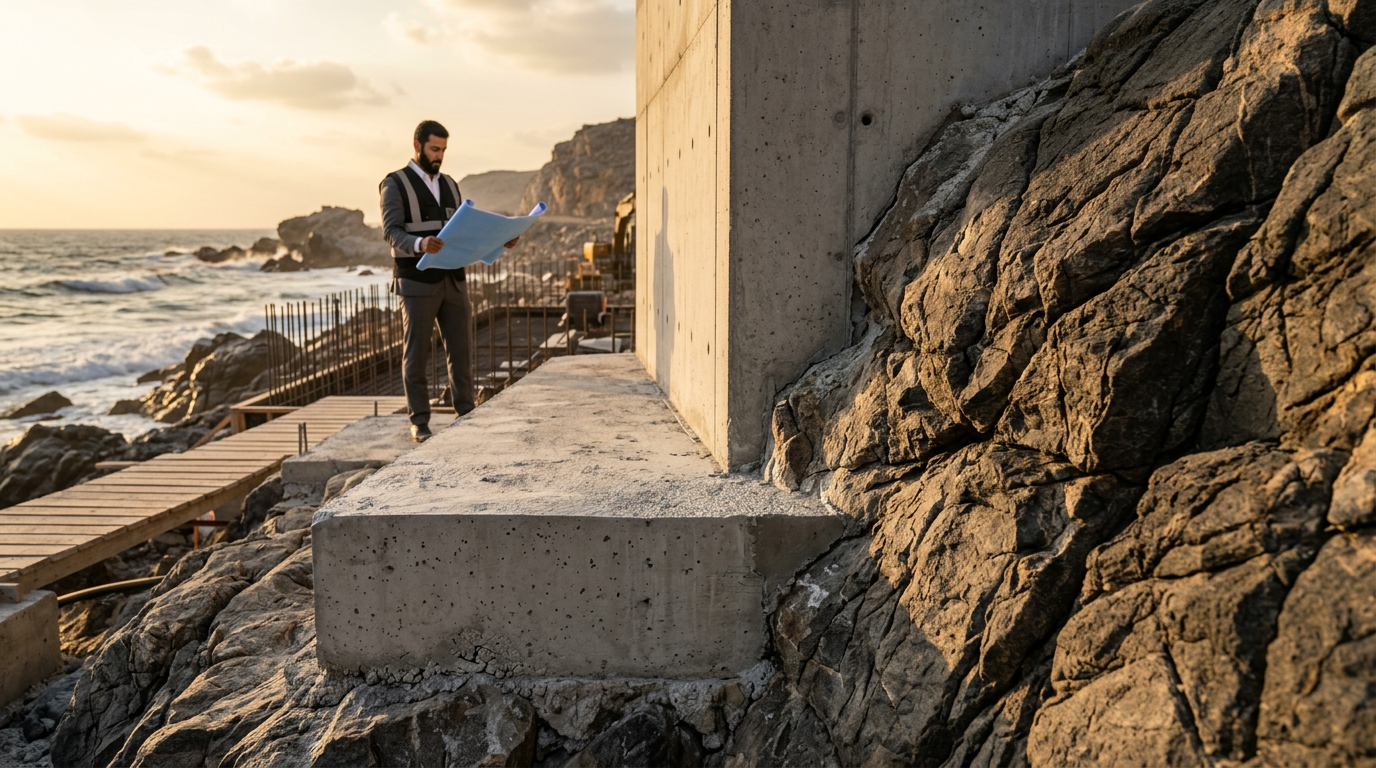
Investors are now utilizing geotechnical reports with the same scrutiny previously reserved for title searches or tax liens. The objective is to identify properties where the site elevation is supported by bedrock that resists the hydraulic force of coastal weathering. When a parcel is backed by a stable, elevated geological formation, the structure atop it gains a form of protective insulation. This resilience is often absent in the sandy, alluvial plains that characterize many of the West Coast’s more storied, yet precarious, beachside neighborhoods. By prioritizing the bedrock, an investor effectively decouples their asset from the escalating cost of coastal remediation and insurance volatility.
Structural longevity requires an understanding of subterranean composition that transcends surface-level landscaping. The most astute buyers in the current market are engaging seismic engineers and coastal geologists as part of their primary acquisition team. They are looking for the 'geologic anchor,' a rare combination of elevation, drainage capacity, and lithological hardness that ensures a property will remain a generational holding rather than a cyclical play. This approach treats the land as a physical vault, one that remains unmoved by the shifting variables of environmental change.
Furthermore, the market is beginning to reflect a premium for parcels that demonstrate superior drainage and permeability. In areas where urban runoff and natural moisture retention are significant concerns, the ability of a site to shed water without compromising the structural footing is becoming a critical valuation factor. Sites located on natural ridges or elevated rocky outcrops offer a significant advantage over those situated in low-lying coastal basins, which are increasingly subject to the compounding costs of hydrostatic pressure and subterranean saturation.
The institutionalization of this perspective serves as a corrective to the emotional buying patterns that historically defined coastal real estate. When acquisition decisions are predicated on the hardness of the earth beneath the foundation, the neighborhood dynamics shift toward a more stable, long-term investor base. These enclaves are characterized by low turnover, as the buyers who prioritize geological stability are inherently focused on long-term capital preservation. They are not chasing the aesthetic trend of the moment, but rather the enduring reliability of the site itself.
Ultimately, the value of a coastal estate is no longer strictly defined by the view it commands. The true alpha in today’s market lies in the intersection of prime geography and geologic permanence. Investors who recognize that the earth under their feet is the primary determinant of long-term asset health are positioning themselves to capture superior, risk-adjusted returns. By moving away from the ephemeral appeal of the surf and toward the enduring resilience of the substrate, the sophisticated buyer secures a position in a market that remains immune to the typical erosion of value seen in less fortified coastal districts.