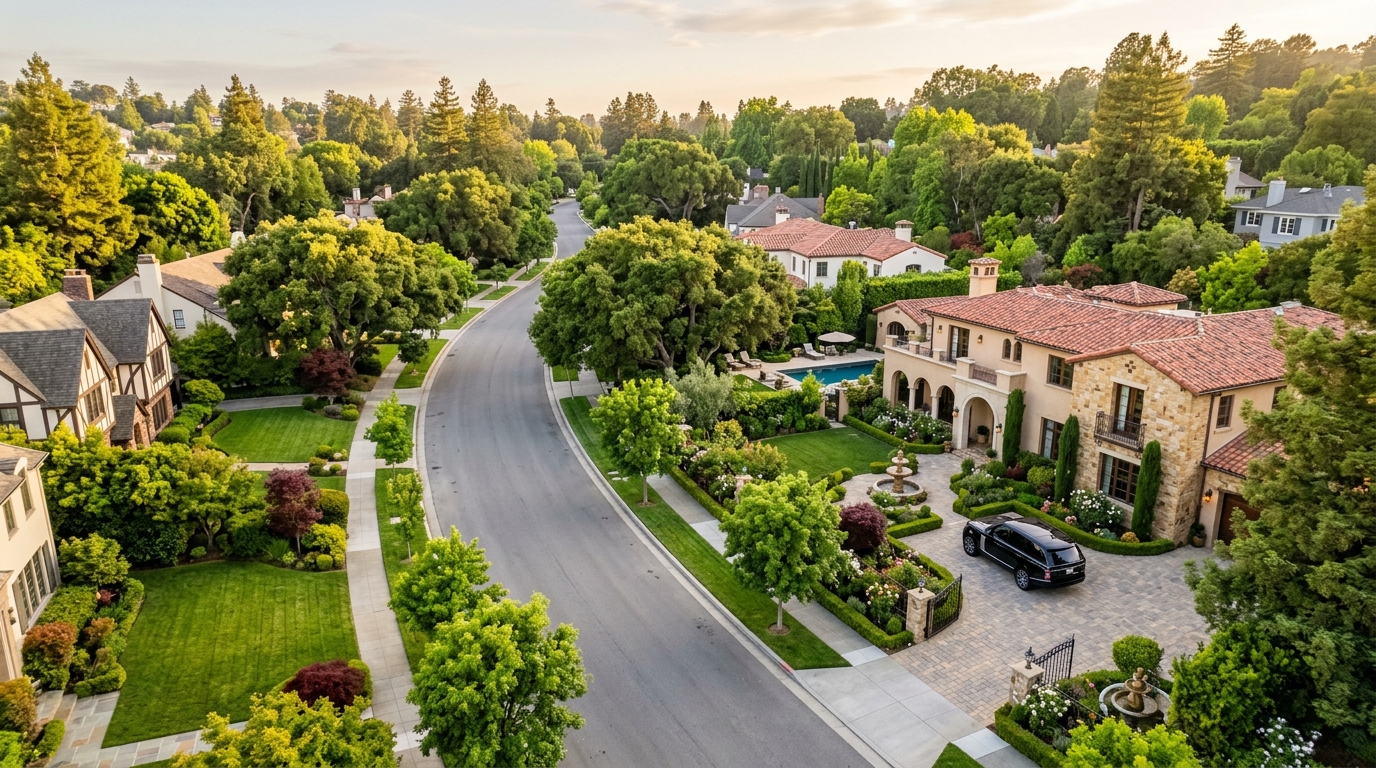
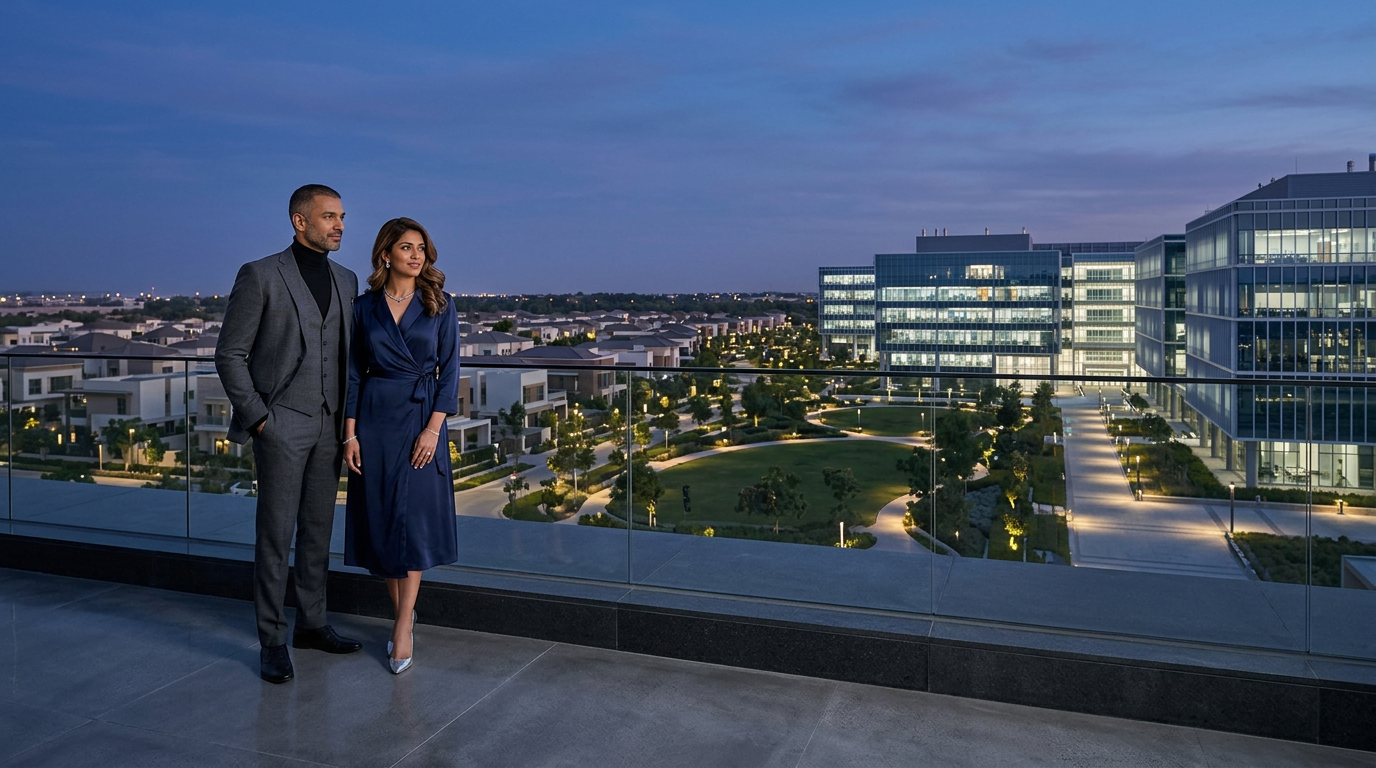
In the upper echelons of residential real estate, the traditional metrics of valuation—square footage, lot dimensions, and interior finishes—frequently serve as distractions. For the institutional-grade investor, the true determinant of long-term capital preservation is the property’s proximity to what we define as the institutional anchor. These are not merely hospitals or universities in the conventional sense. Rather, they are massive, permanent, and capital-intensive research or governance hubs that fundamentally alter the economic micro-climate of their surroundings. When a neighborhood is physically tied to the gravity of an elite research center, a private equity nexus, or a specialized think tank, the residential inventory within its immediate radius acquires a form of defensive insulation that standard market cycles cannot easily penetrate.
The primary mechanism at work here is the concentration of human capital. Unlike retail-driven neighborhoods that rely on the ephemeral trends of commerce and hospitality, areas defined by institutional anchors possess a captive audience of high-net-worth professionals. These individuals prioritize short commutes, secure environments, and proximity to their primary places of operation. Consequently, the residential market in these corridors experiences a baseline of demand that remains tethered to the global success of the institution itself. As the institution grows, so does the demand for the limited supply of neighboring residential assets. This is not speculative appreciation. It is the steady, compounding growth of a market that serves a vital segment of the global economy.
Investors must distinguish between institutions that offer mere convenience and those that provide structural economic support. A community anchored by a regional community college or a standard public hospital does not generate the same valuation floor as one anchored by a global center for neurobiology or a high-security geopolitical research facility. The latter attracts a demographic that is largely immune to the broader volatility of the luxury sector. These buyers are not merely purchasing a home; they are securing a residence within a high-security, high-access cluster where the neighborhood infrastructure is effectively subsidized by the institution’s need for operational excellence. Public safety, aesthetic maintenance, and landscaping in these zones often benefit from the secondary effects of the institution’s own expansive security and site management protocols.
There is a profound distinction between the retail-reliant enclave and the institution-anchored district. The former is subject to the whims of consumer sentiment and the cyclical nature of high-end lifestyle trends. Should a local boutique row or a culinary hub decline in status, the surrounding real estate value is often the first to suffer. Conversely, the institution-anchored district is insulated by the sheer weight of capital expenditure. When an institution commits to a multi-decade expansion, it signals a long-term stabilization of the local economy. This serves as a tacit guarantee of infrastructure endurance that private developers simply cannot replicate.
We advise our readers to look for the invisible map of intellectual and capital movement. Follow the flow of private research grants, the expansion of high-security campuses, and the consolidation of intellectual property hubs. These sites are the modern equivalents of the strategic forts and trade outposts of previous centuries. They command the landscape, dictate the movement of the most valuable human resources, and create a permanent premium for the residential inventory that shares their footprint. When analyzing a potential acquisition, evaluate the institutional anchor with the same rigor you would apply to a commercial asset class. Ask yourself if the neighborhood would sustain its valuation if the local lifestyle amenities were stripped away. If the answer is yes, because the institutional anchor remains, you have found an asset that offers true defensive alpha. The residential market is essentially a reflection of where the most productive members of society choose to sleep, and they choose to sleep within the reach of the institutions that drive their influence. Aligning your portfolio with these anchors is the most effective way to ensure that your capital remains at the center of gravity, regardless of the broader economic weather.