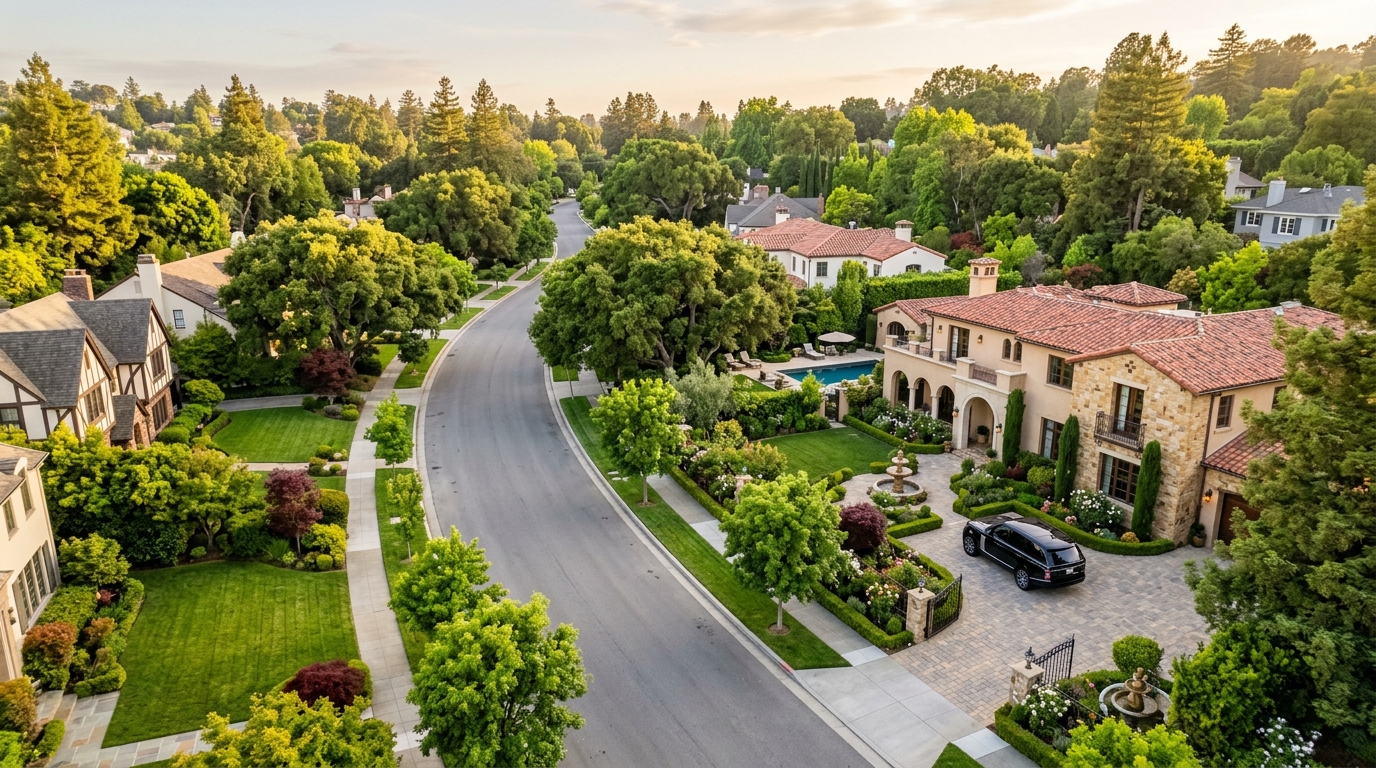
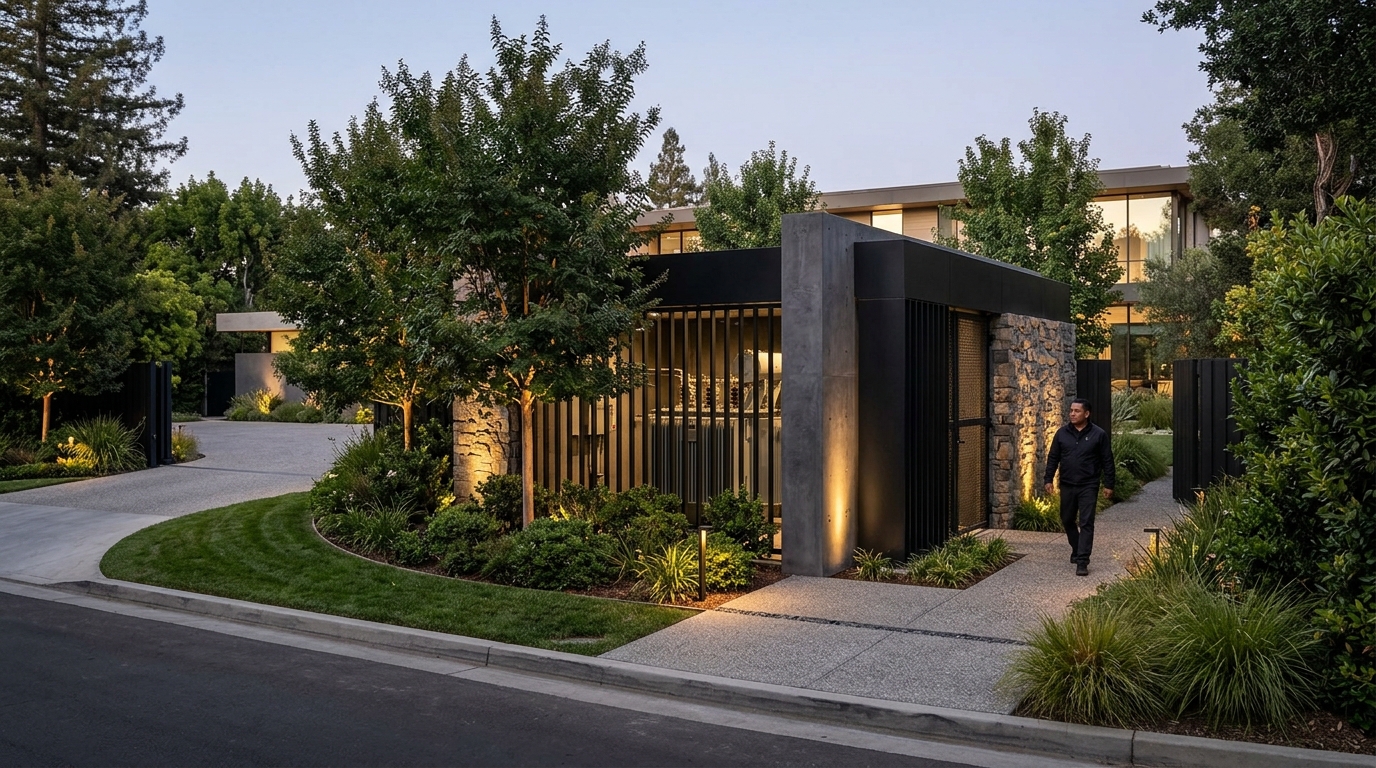
In the upper tier of the residential market, the traditional metrics of real estate valuation—square footage, lot positioning, and architectural pedigree—are increasingly secondary to a more nuanced factor: the independence of the property from municipal fragility. Investors are no longer merely purchasing a residence; they are acquiring a private ecosystem. The true measure of a luxury enclave today lies in the robustness of its ancillary infrastructure and the degree to which a neighborhood has successfully internalized the essential services typically provided by the state.
This shift represents a fundamental change in how high-net-worth capital assesses regional risk. For decades, the proximity to public amenities was the primary driver of value. Today, the most resilient neighborhoods are those where private investment has effectively privatized the experience of living. This manifests in local micro-grids, private water reclamation systems, and the maintenance of arterial road networks by homeowners associations rather than local municipalities. When an asset exists within a perimeter that dictates its own standards for utility delivery, the property becomes immune to the administrative decay often found in broader metropolitan regions. This is not merely a convenience. It is an insurance policy against the inevitable decline of public infrastructure funding.
The premium on autonomy is now the primary determinant of long-term capital preservation. In mountain markets and coastal enclaves alike, neighborhoods that have invested in redundant, private-sector utility frameworks demonstrate a transactional velocity that far outpaces their neighbors. When a prospective buyer evaluates a twenty-million-dollar estate, the sophistication of its connectivity to a private utility grid is often the deciding factor in the offer price. These systems ensure that the property remains functional regardless of regional outages or public grid instability. It is a form of asset hardening that creates a distinct separation between high-end residential real estate and speculative luxury developments.
Consider the role of private communication and security networks as essential components of this infrastructure. The modern luxury buyer requires seamless connectivity and comprehensive site monitoring that does not rely on public sector maintenance cycles. Neighborhoods that have mandated high-speed, private-fiber networks and coordinated security patrols are achieving a level of exclusivity that is difficult to replicate through zoning or architecture alone. This is the new architecture of the gated community. It is defined by its operational independence rather than its physical barriers. The value proposition here is simple: if the neighborhood can maintain its own infrastructure, it can dictate its own trajectory of appreciation.
Investors must examine the governance structure of these neighborhoods with forensic scrutiny. The strength of a neighborhood association is the ultimate backstop for infrastructure value. A well-capitalized association that views itself as an infrastructure manager rather than a rule-enforcement body will consistently outperform those that focus solely on aesthetic compliance. Look for enclaves where the reserve funds are specifically earmarked for utility modernization and the hardening of service corridors. This indicates a forward-looking board that understands the necessity of self-reliance. If a neighborhood lacks this level of administrative foresight, the risk of structural devaluation remains high, even if the individual properties are pristine.
The shift toward self-contained residential ecosystems also alters the nature of liquidity in the high-end market. Properties within these sophisticated corridors do not fluctuate in value according to the general municipal tax base. They function as micro-economies. Because these neighborhoods are rarely reliant on local government for maintenance or upgrades, they are insulated from the political and fiscal volatility that often plagues prime real estate in urban centers. This insulation is the hallmark of generational wealth retention. It allows for a more stable exit strategy, as the property remains desirable to the next generation of buyers who prioritize operational resilience over the superficial displays of wealth that defined previous market cycles.
Ultimately, the objective of the sophisticated investor is to minimize the variables outside of their control. By focusing on neighborhoods that have successfully internalized the essential infrastructure of modern life, the owner effectively shields their capital from the broader market risks associated with public utility dependency. This is the silent evolution of the luxury enclave. It is a move away from the dependence on city services toward a model of localized, private, and highly reliable asset management. This transition will define the next era of high-net-worth residential investment, separating the true legacy assets from those that are merely subject to the whims of municipal governance.