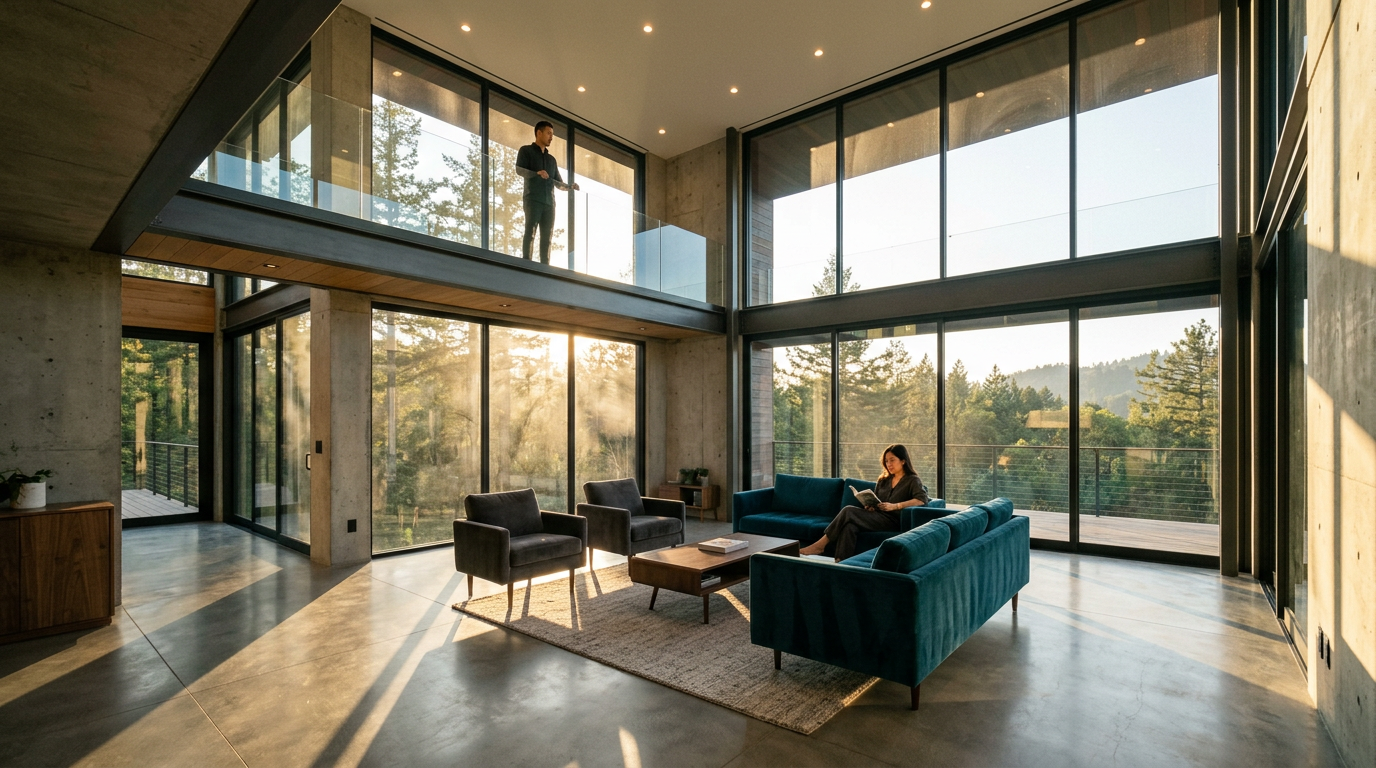
True luxury in residential architecture is rarely found in the accumulation of rare materials or the sheer scale of a floor plan. Instead, it resides in the mastery of the intangible. Among the most critical yet frequently overlooked elements of high-end design is the manipulation of light and its inevitable partner, shadow. For the sophisticated collector of prime real estate, understanding how a structure interacts with the solar arc is the difference between a static collection of rooms and a living, breathing asset.
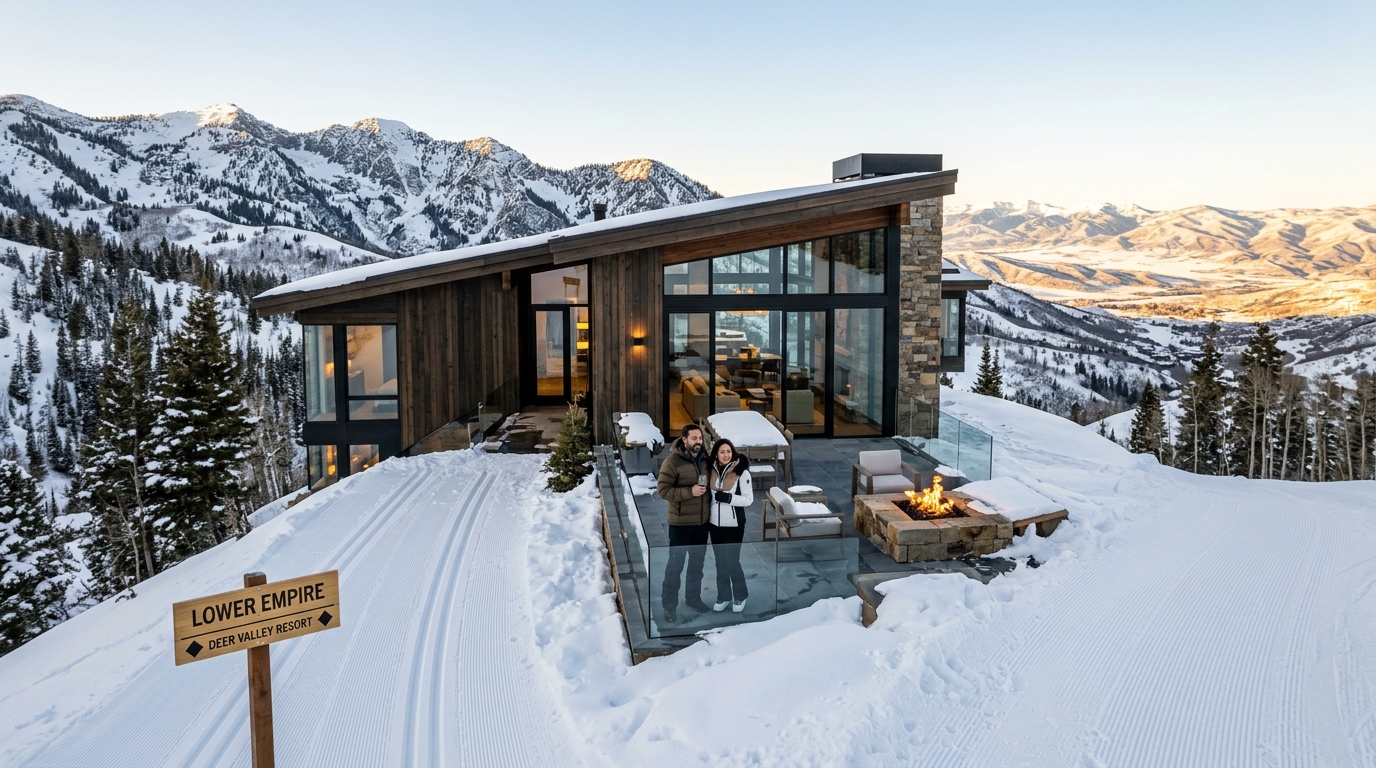
The traditional approach to fenestration often prioritizes the view at the expense of the interior environment. Architects frequently succumb to the temptation of floor-to-ceiling glass, assuming that more transparency equates to higher value. However, this strategy often results in a hostile domestic climate where glare and heat gain necessitate the constant use of mechanical shades. True architectural sophistication demands a curated relationship with light. It requires the strategic placement of apertures to capture the low-angle morning sun, which provides a gentle, diffused illumination, while shielding the interior from the harsh, high-noon intensity that washes out textures and diminishes the gravitas of a space.
Consider the role of the shadow as a design material. In the context of a sprawling estate, shadow provides the necessary contrast to define form. Without the deliberate creation of dark zones, a room loses its depth and its capacity to evoke emotion. The most coveted homes in the mountain and coastal markets utilize structural elements such as deep soffits, brise-soleil systems, and recessed clerestory windows to create a rhythmic play of light and dark. This technique, often referred to as chiaroscuro in the fine arts, lends a sense of mystery and sanctuary to the home. When a space is entirely illuminated, it feels clinical and exposed. By contrast, a home that allows for moments of shade creates a narrative, guiding the occupant through the residence with a sense of discovery.
Materiality is intrinsically linked to this play of light. A stone-clad wall that appears flat and uninteresting under direct, overhead lighting will reveal its true character when brushed by the grazing light of a sunset. Architects must calibrate the texture of materials to respond to the specific orientation of the property. A polished marble floor might be an asset in a foyer, but in a sun-drenched great room, its reflectivity can become an architectural liability. Conversely, matte-finished surfaces or reclaimed timber can absorb and soften the light, contributing to an atmosphere of profound tranquility. Investors should look for properties where the interior finish schedule has been stress-tested against the light patterns of the site.
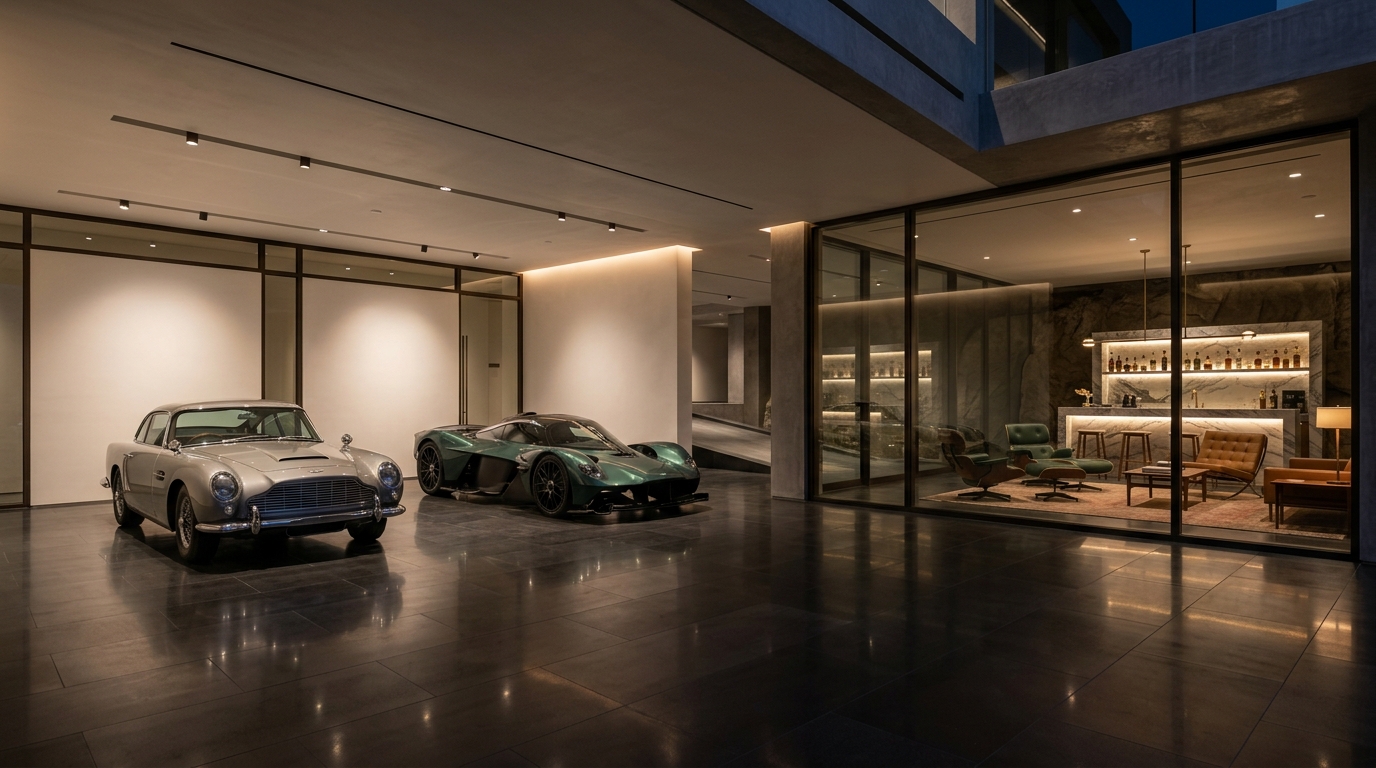
The integration of artificial lighting is the final layer of this complex equation. In the upper echelons of the market, the distinction between natural and synthetic light should be invisible. Lighting design must function as a seamless extension of the architecture. This involves the use of indirect lighting sources, such as cove lighting and wall washers, to replicate the softness of dusk. When a residence is designed with a deep understanding of light, the transition from day to evening is not marked by the jarring flick of a switch but by a gradual, atmospheric shift that maintains the integrity of the home's aesthetic.
Ultimately, the value of a property is tied to how the occupant feels within the space. A home that is perpetually bathed in harsh, unfiltered light creates a sense of psychological fatigue. A home that understands the value of a cool, shadowed alcove offers a genuine respite from the intensity of the modern world. For the discerning buyer, the architectural pedigree of a home should be measured by its ability to harness the sun as a collaborator rather than a nuisance. This is the hallmark of thoughtful, enduring design. It is the silent, essential luxury that defines the most prestigious addresses in the West.